
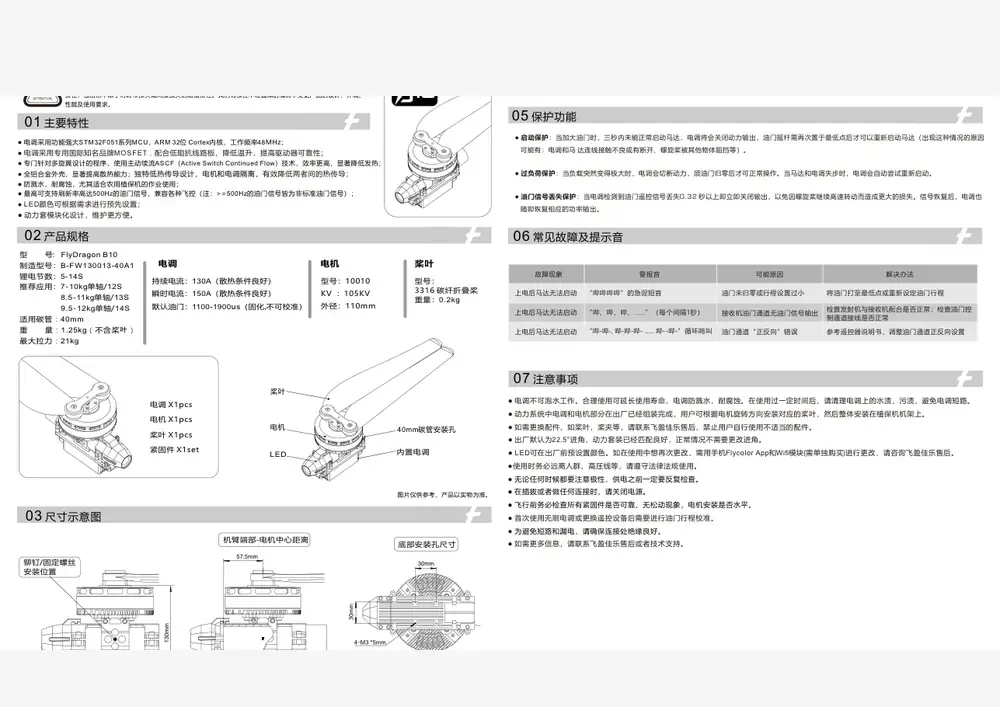
B10 FOC
CN edition · 2 page(s)
Official product documentation, spec sheets and user manuals for the ESC and power-system families supplied through our manufacturing network.
CN edition · 2 page(s)
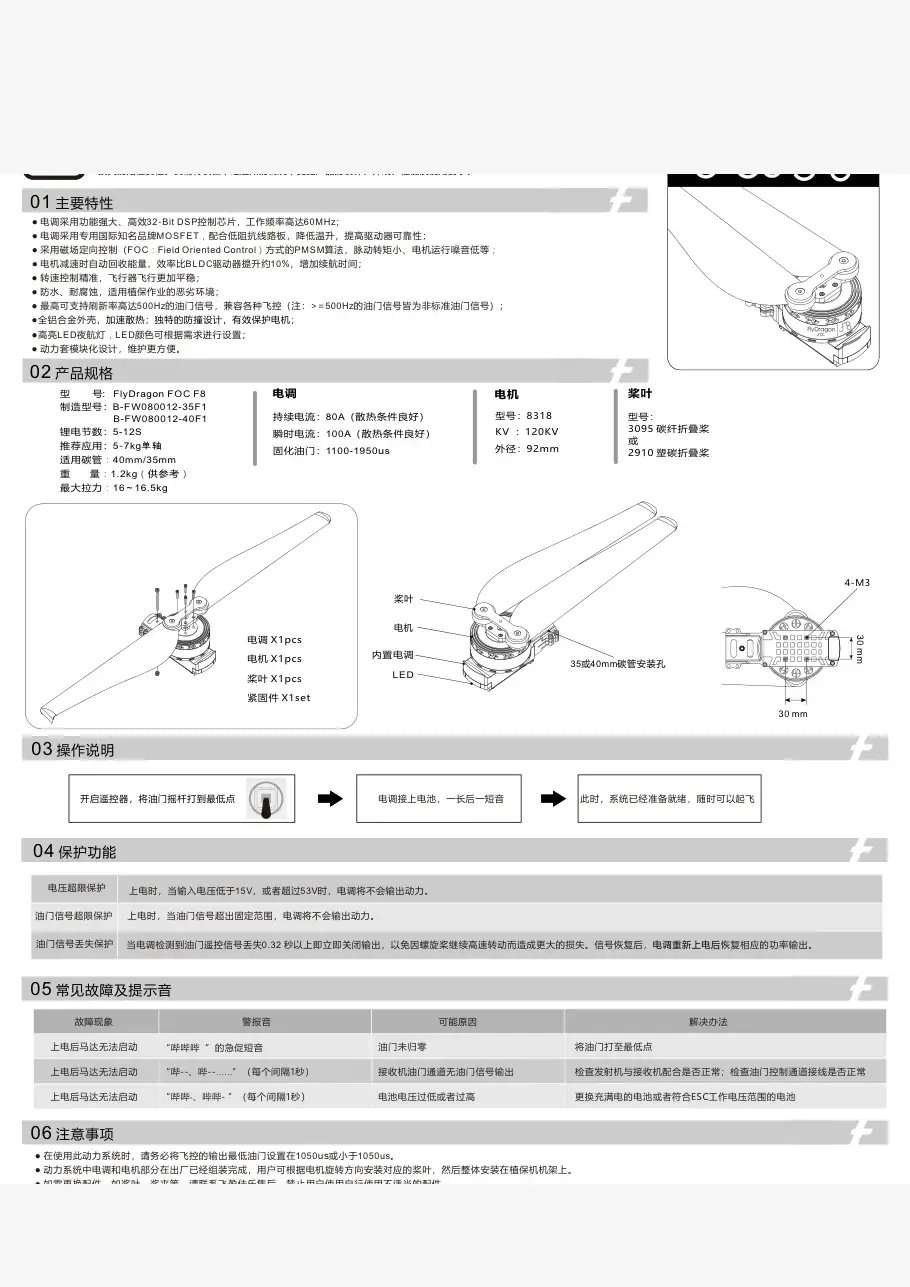
CN edition · 2 page(s)
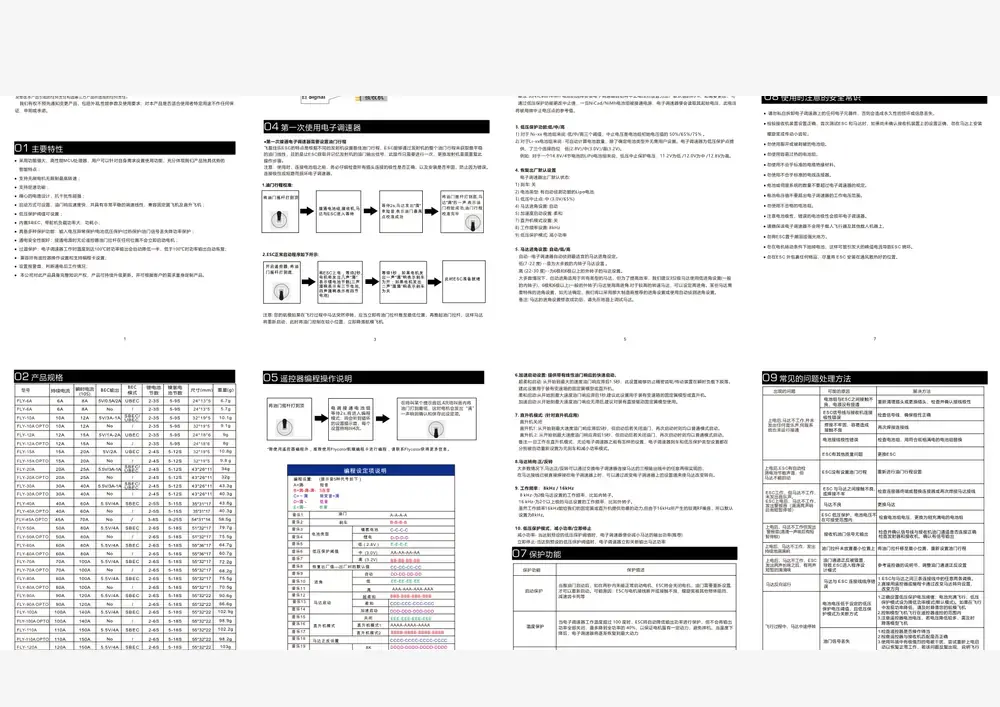
CN edition · 2 page(s)
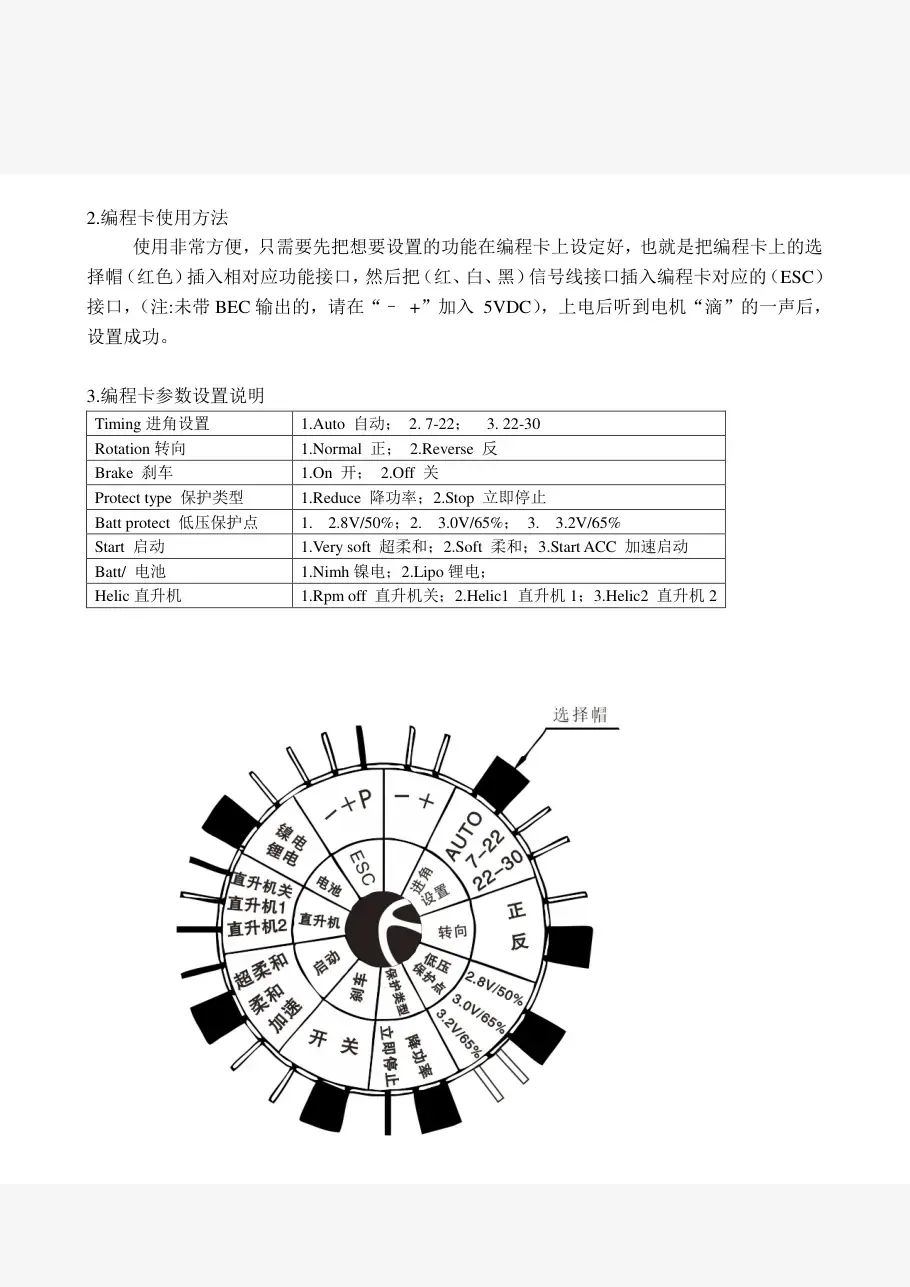
CN edition · 2 page(s)
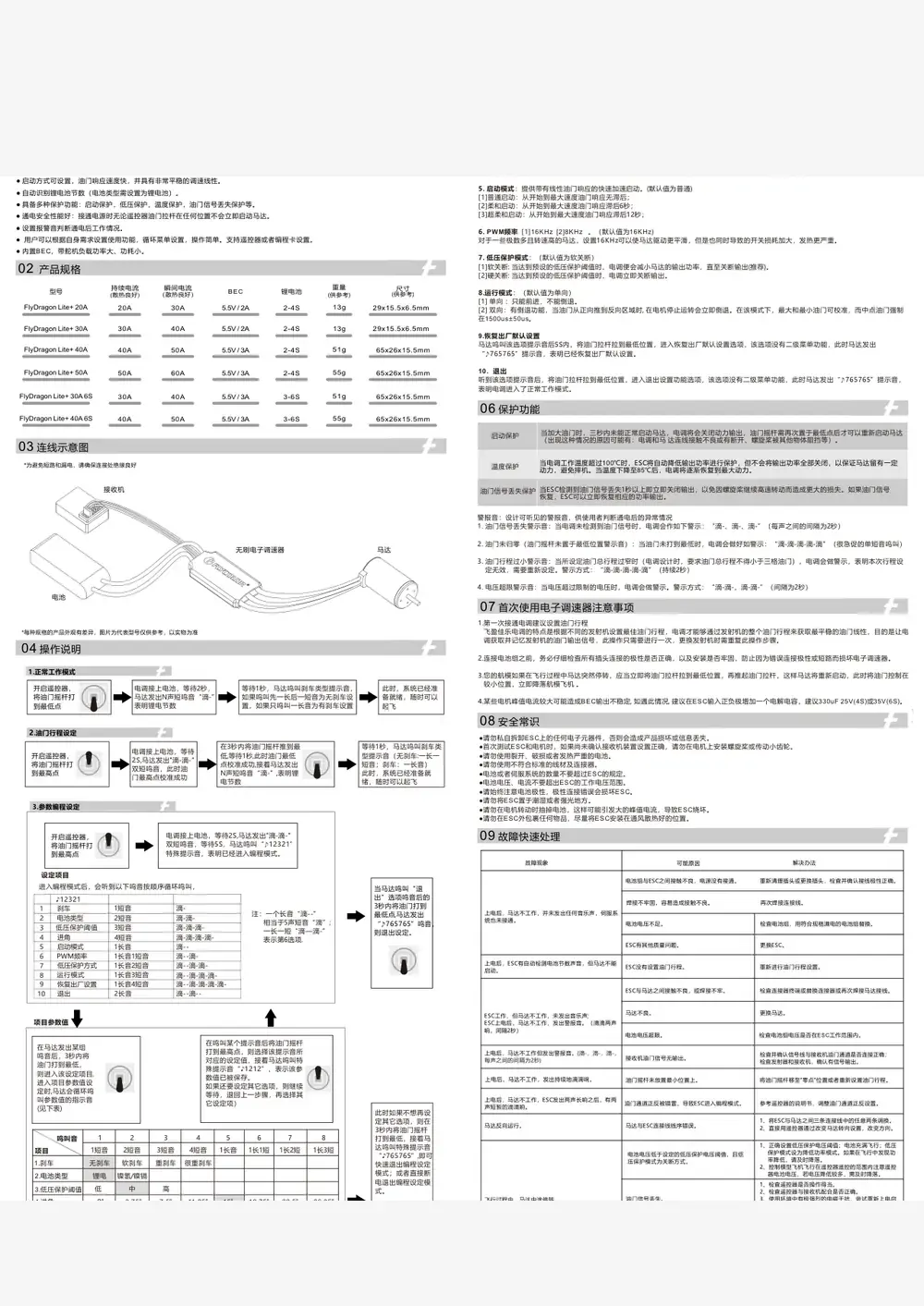
CN edition · 2 page(s)
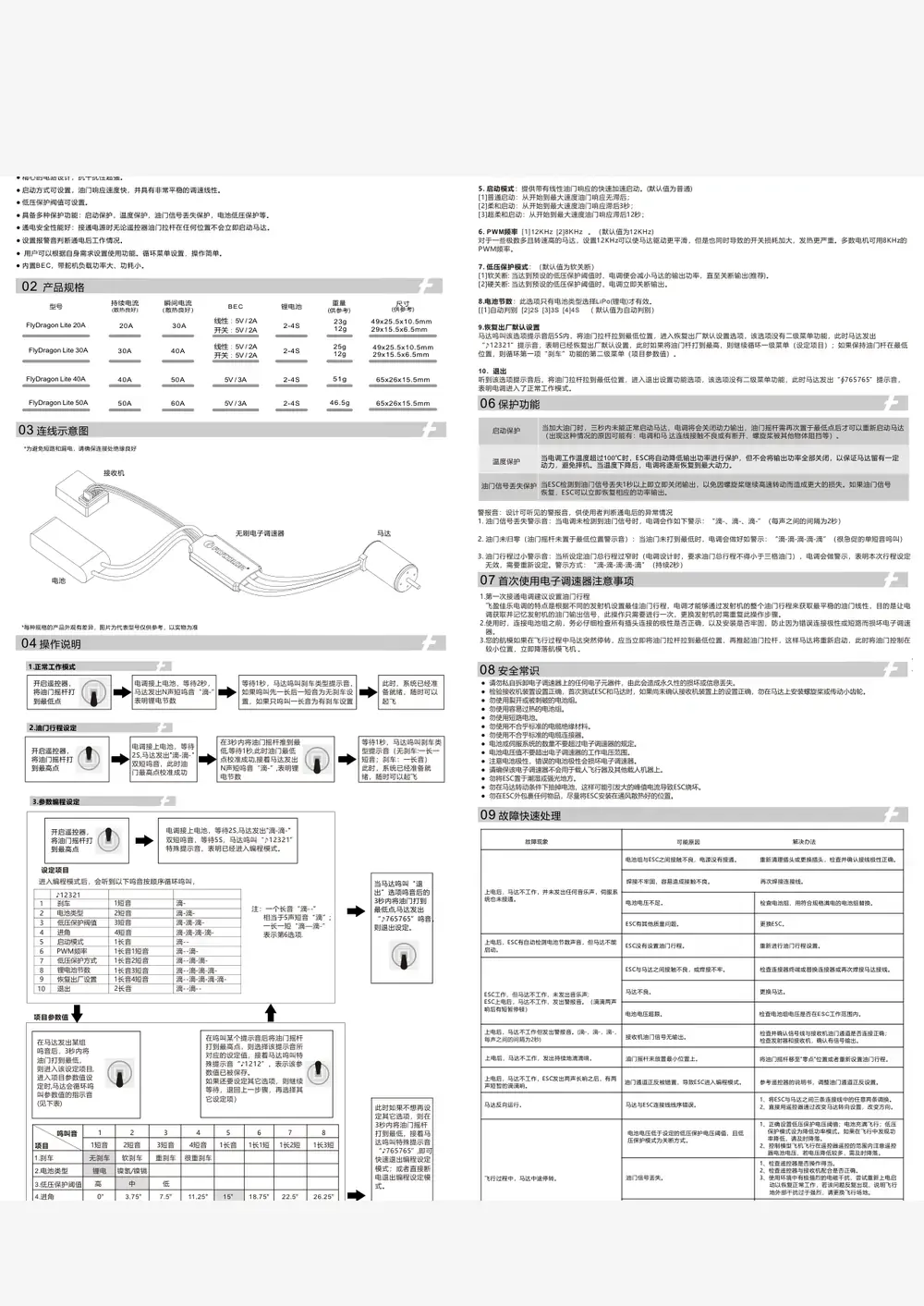
CN edition · 2 page(s)
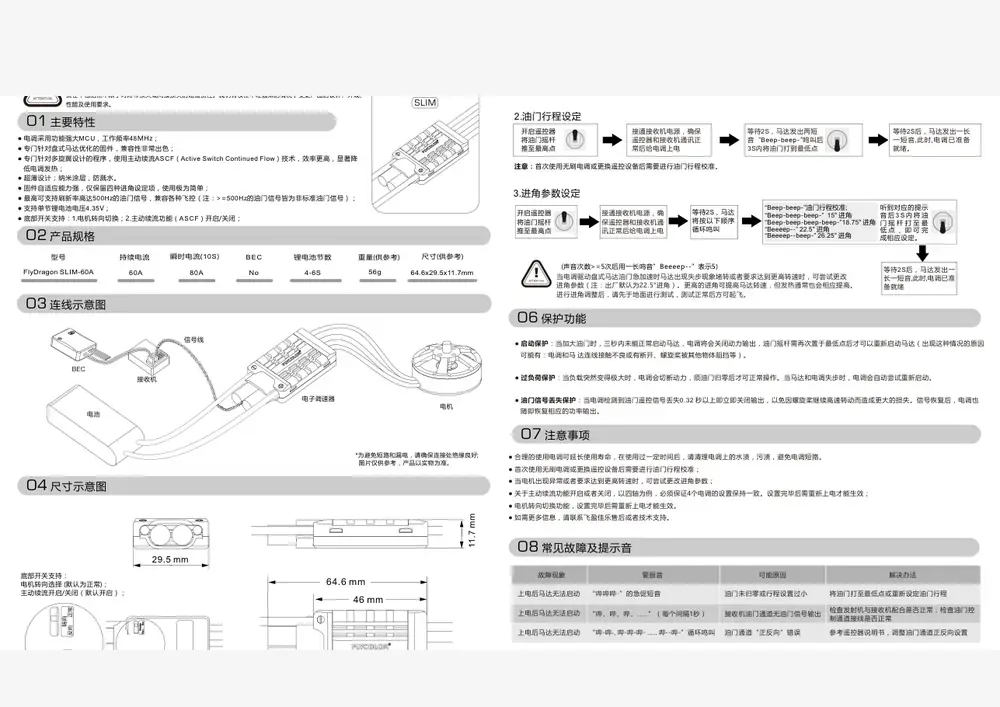
CN edition · 2 page(s)
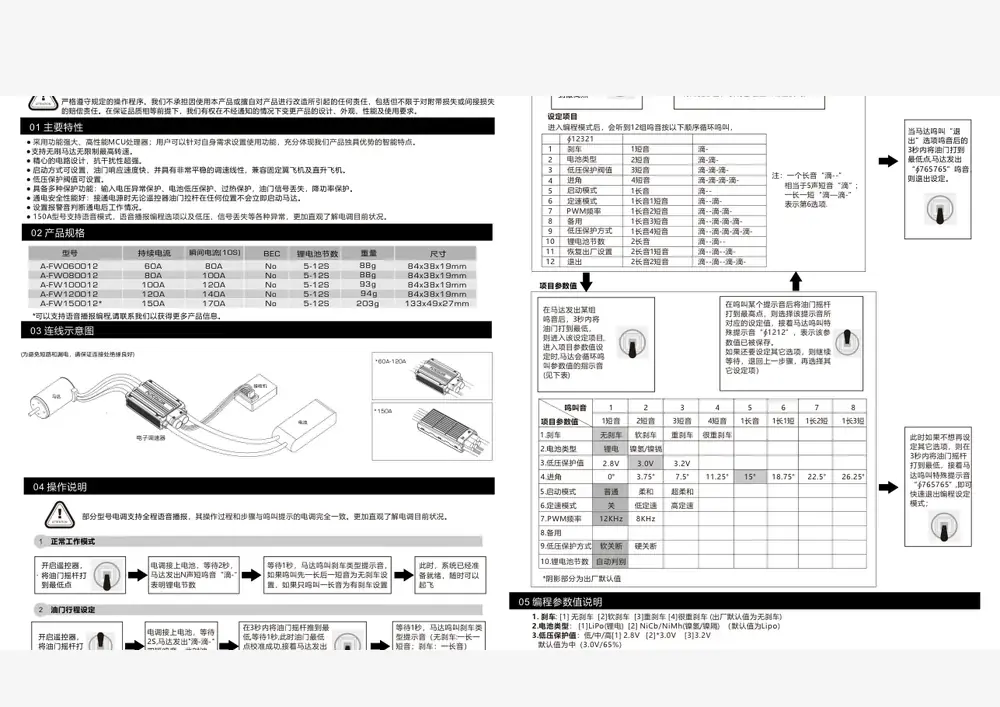
CN edition · 2 page(s)
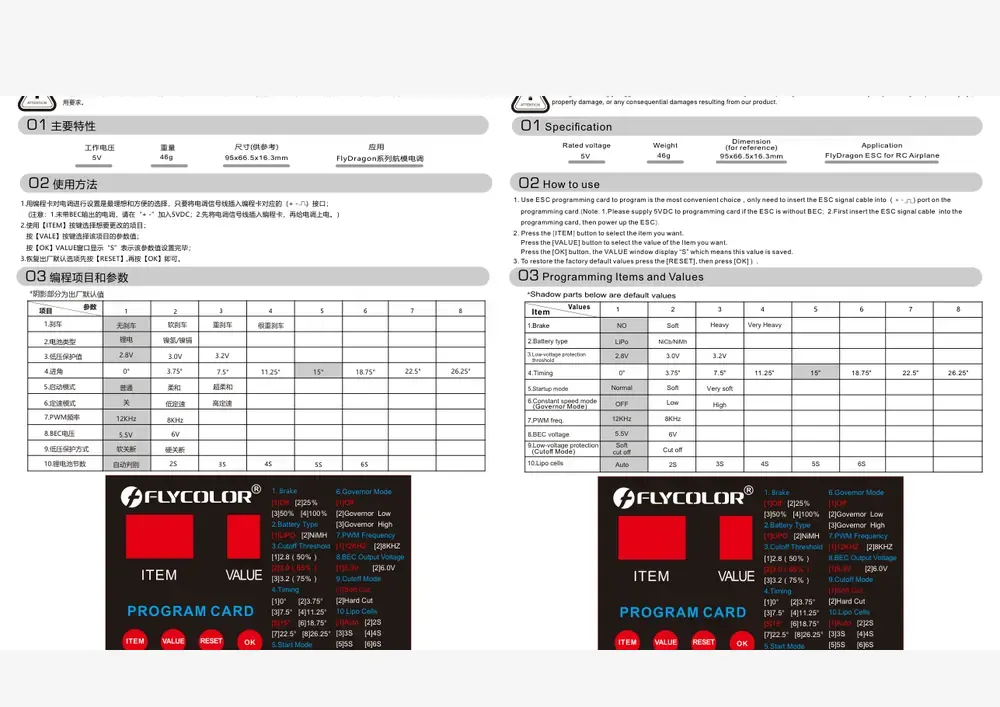
CN edition · 1 page(s)
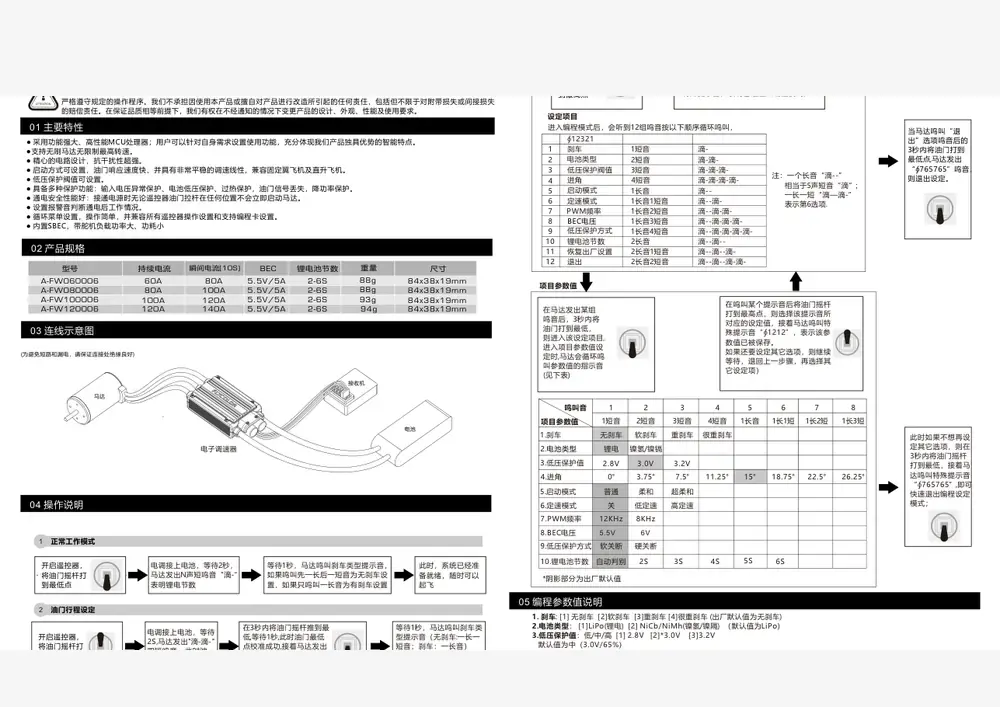
CN edition · 2 page(s)
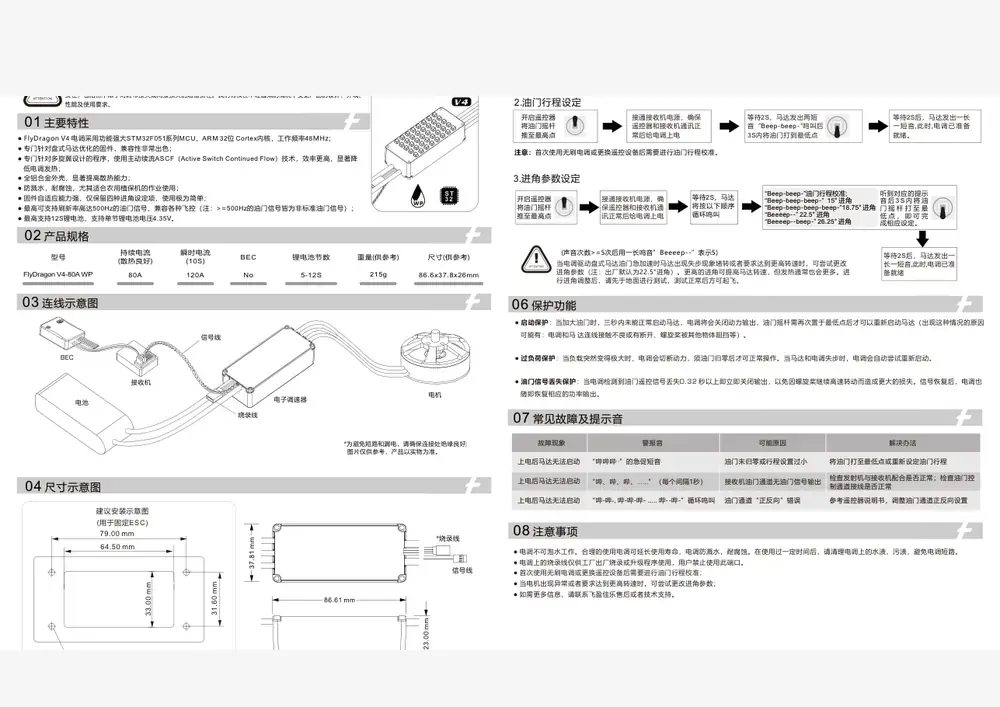
CN edition · 2 page(s)
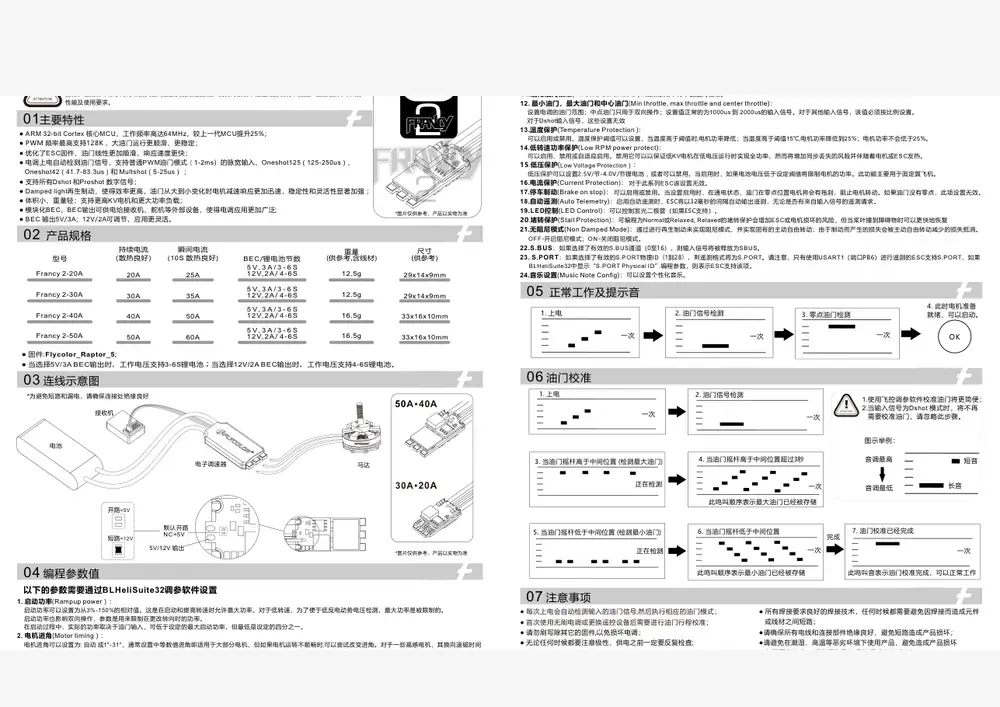
CN edition · 2 page(s)
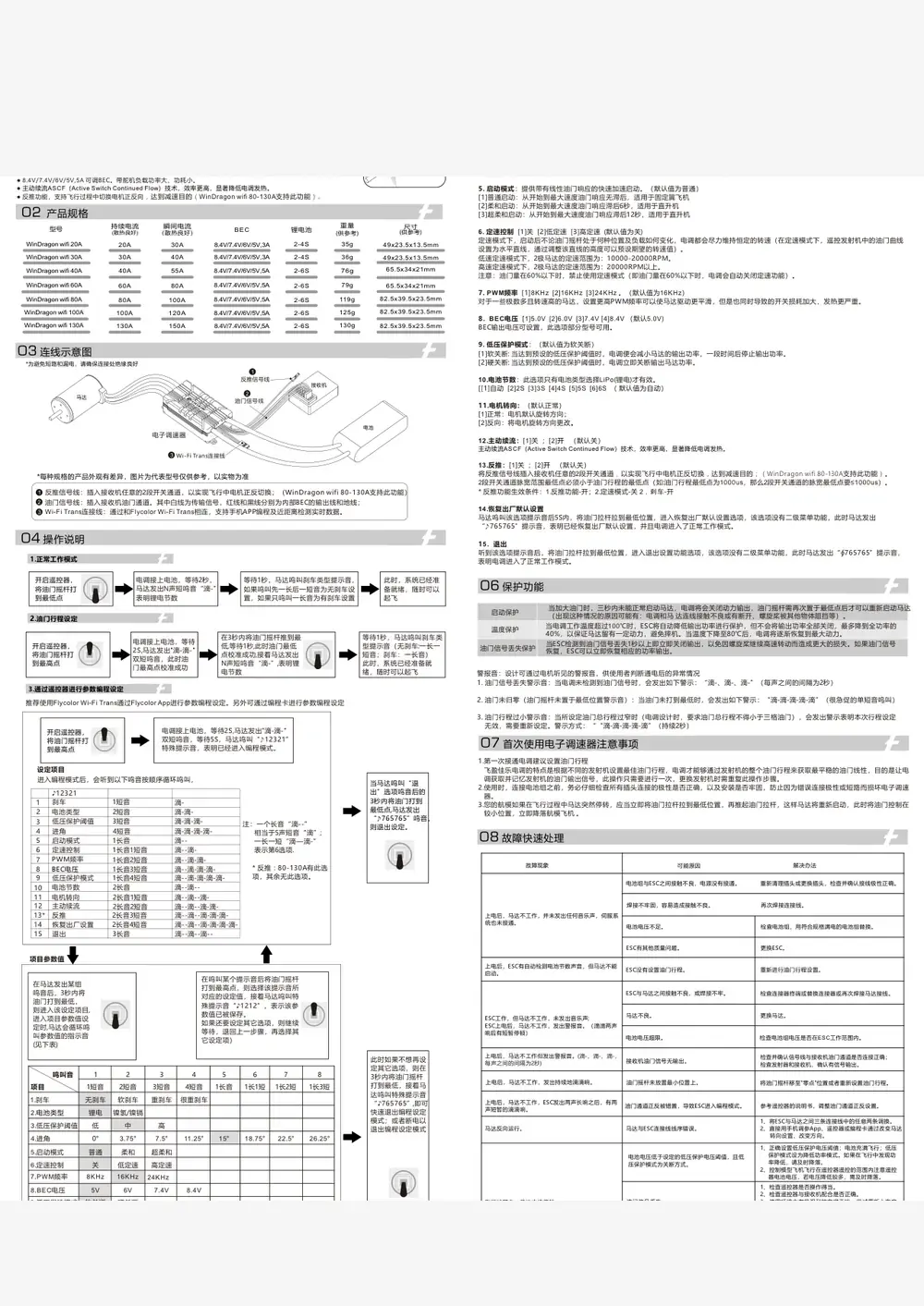
CN edition · 2 page(s)
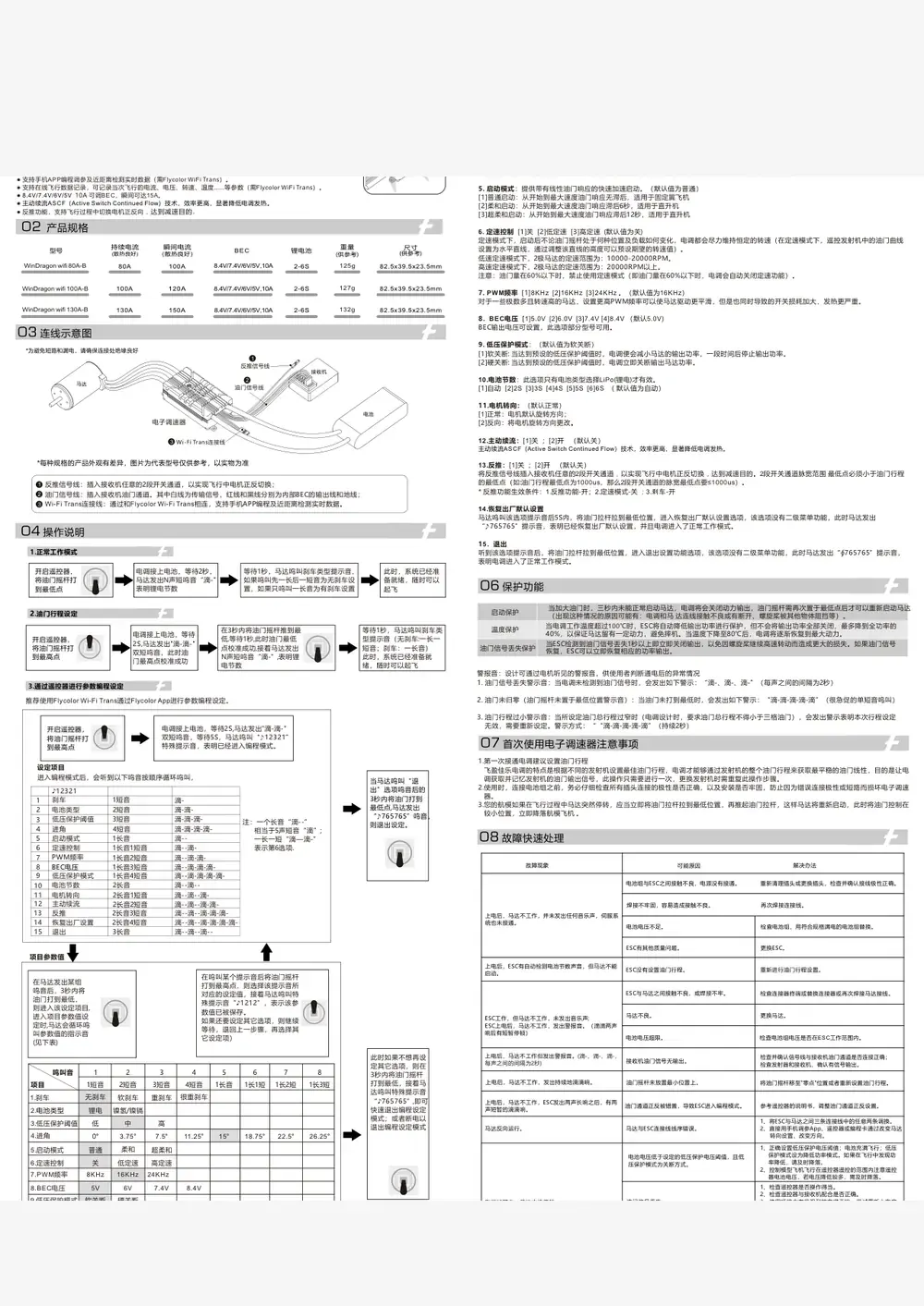
CN edition · 2 page(s)
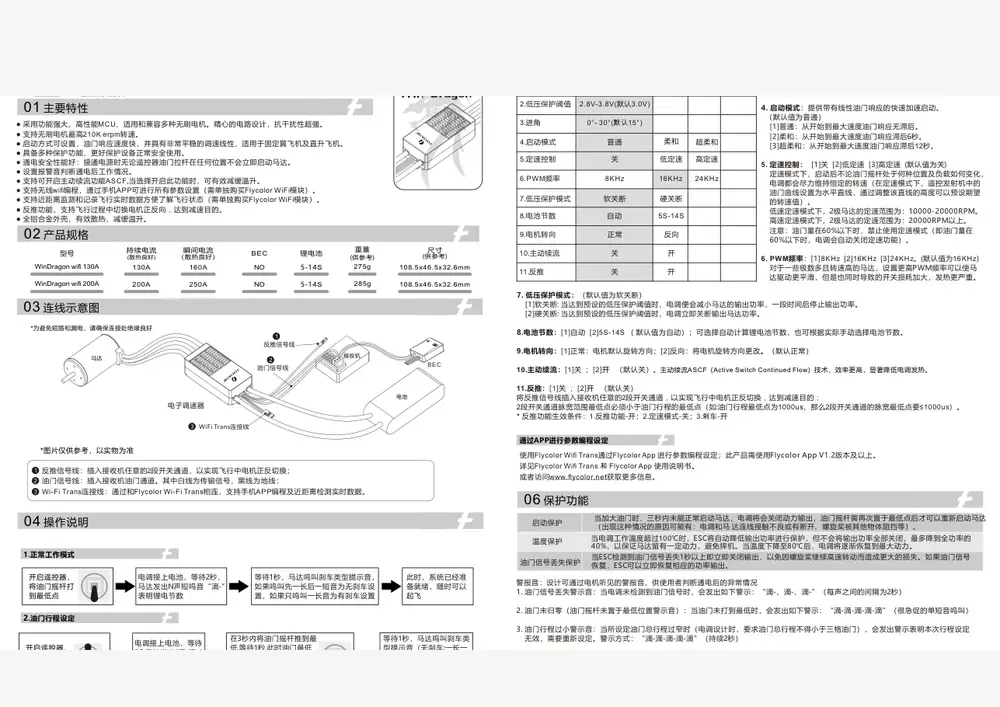
CN edition · 2 page(s)
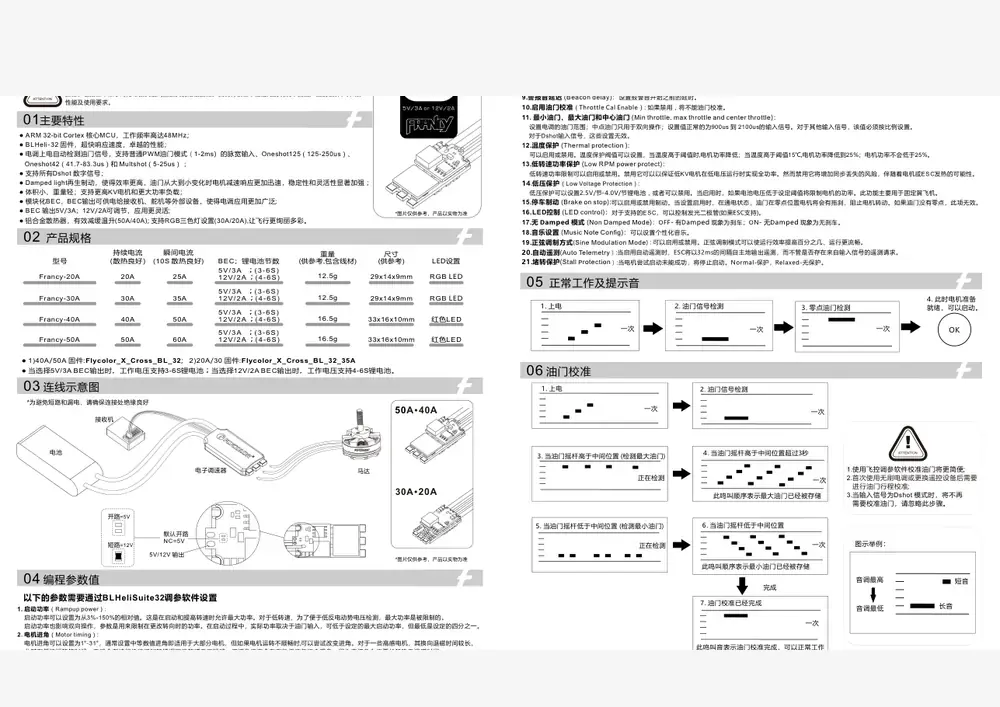
CN edition · 2 page(s)
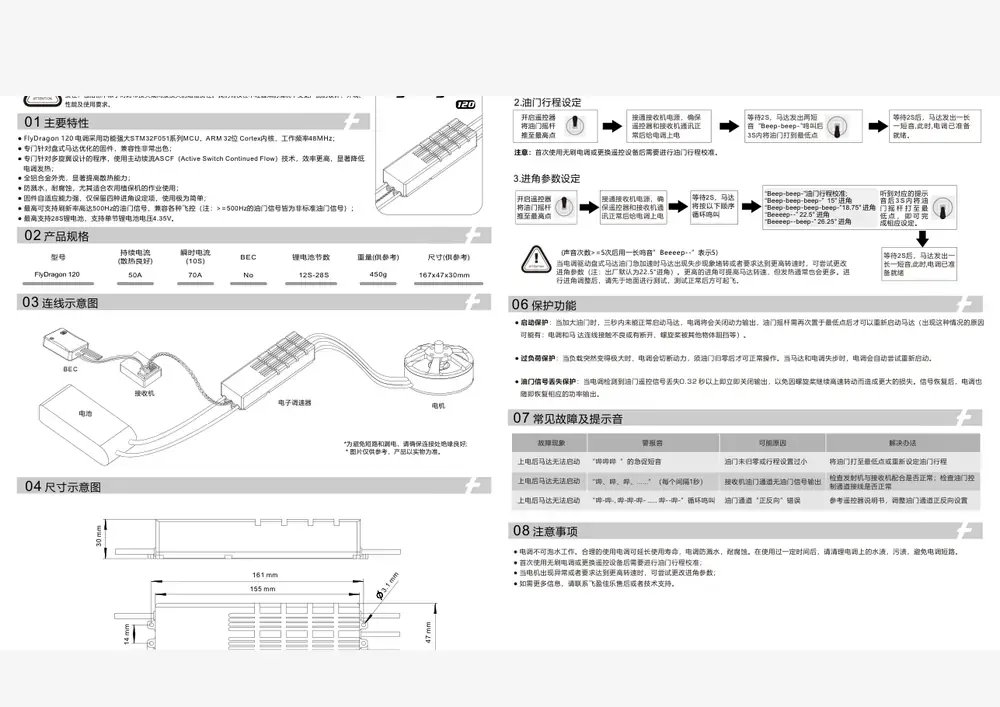
CN edition · 2 page(s)
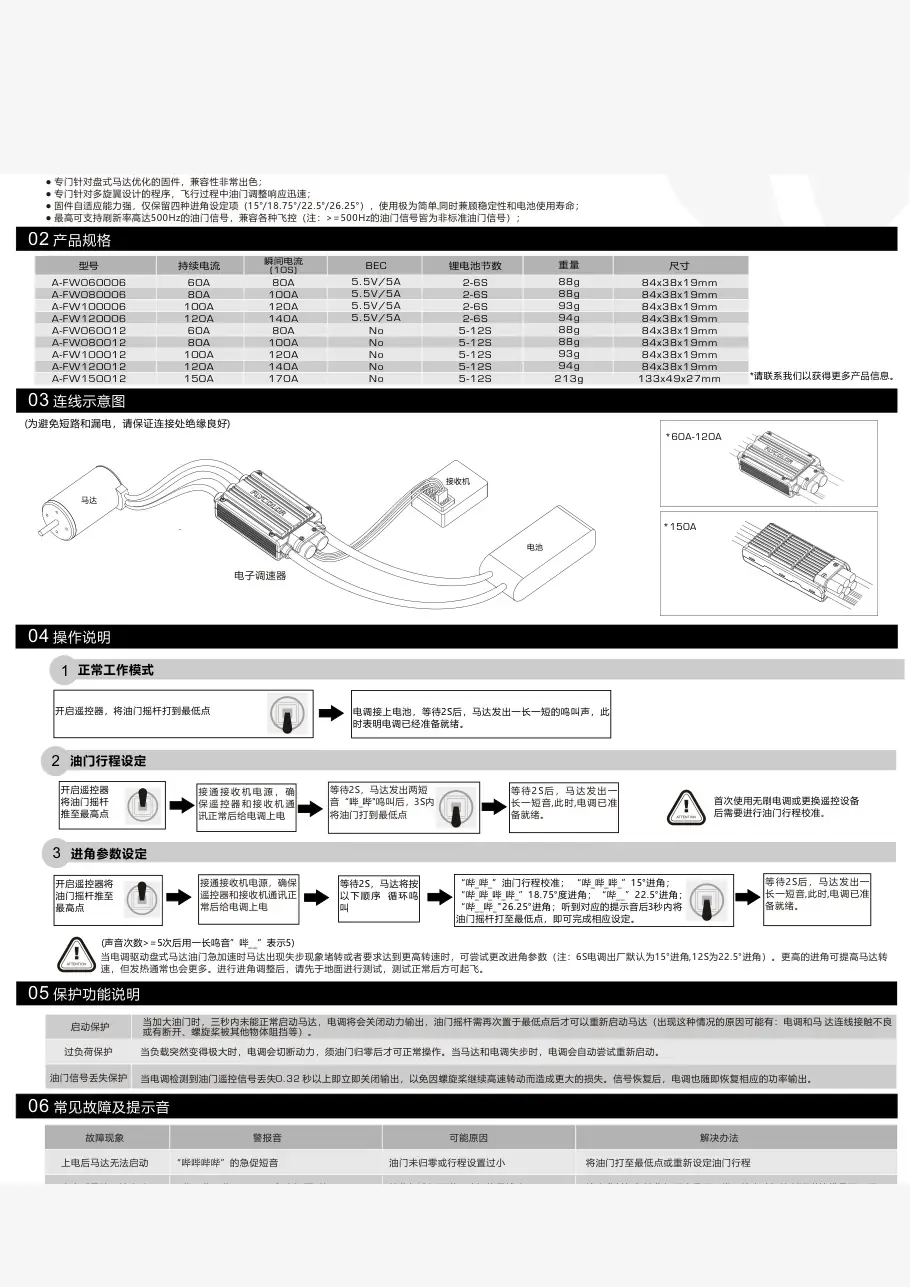
CN edition · 2 page(s)
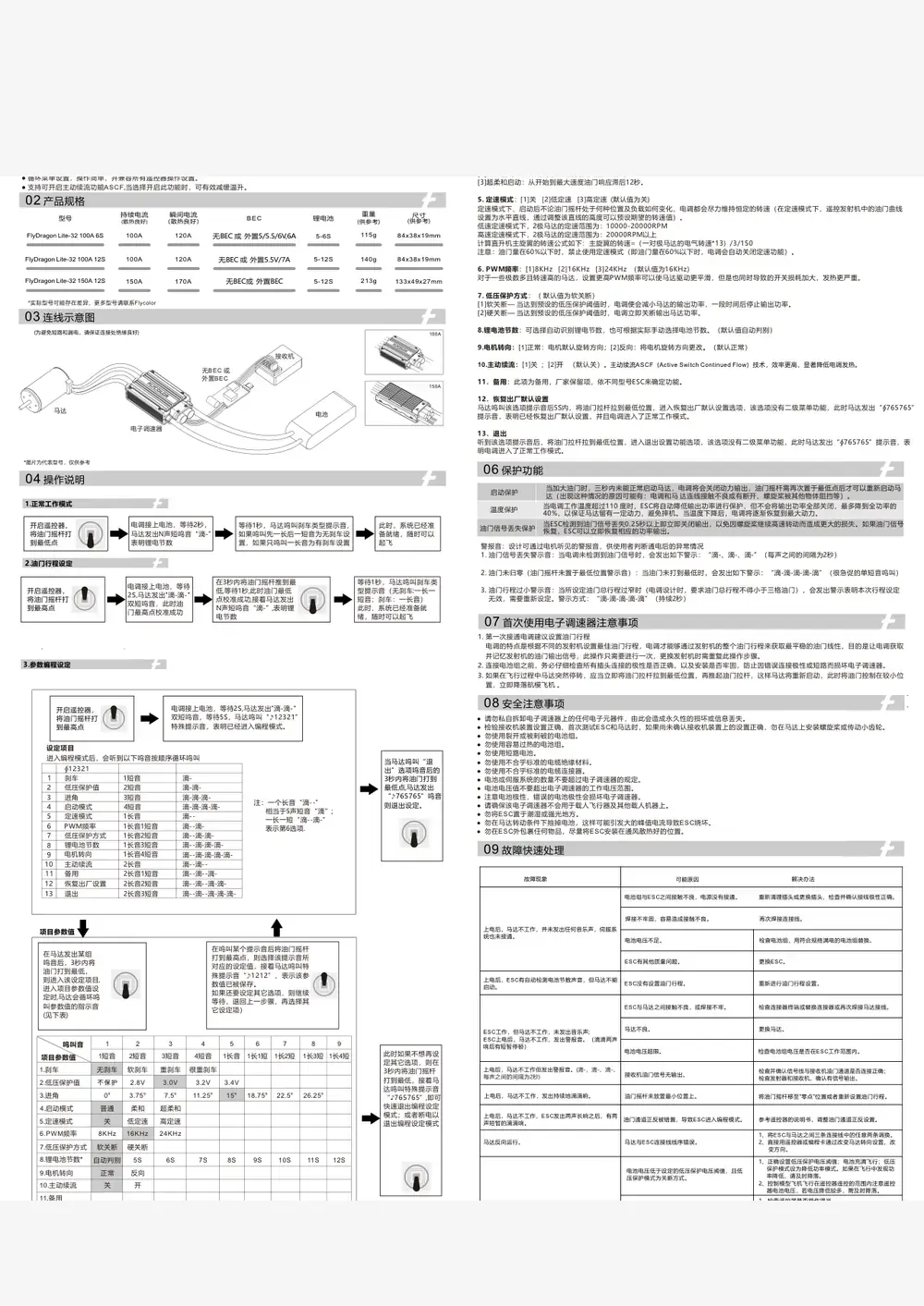
EN edition · 2 page(s)
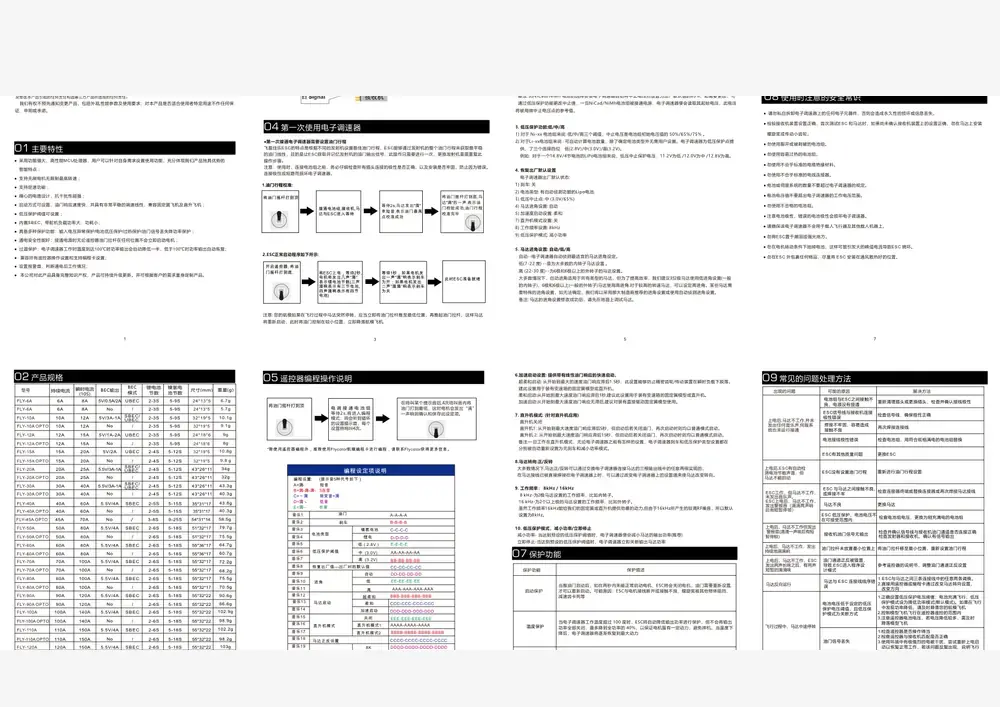
EN edition · 2 page(s)
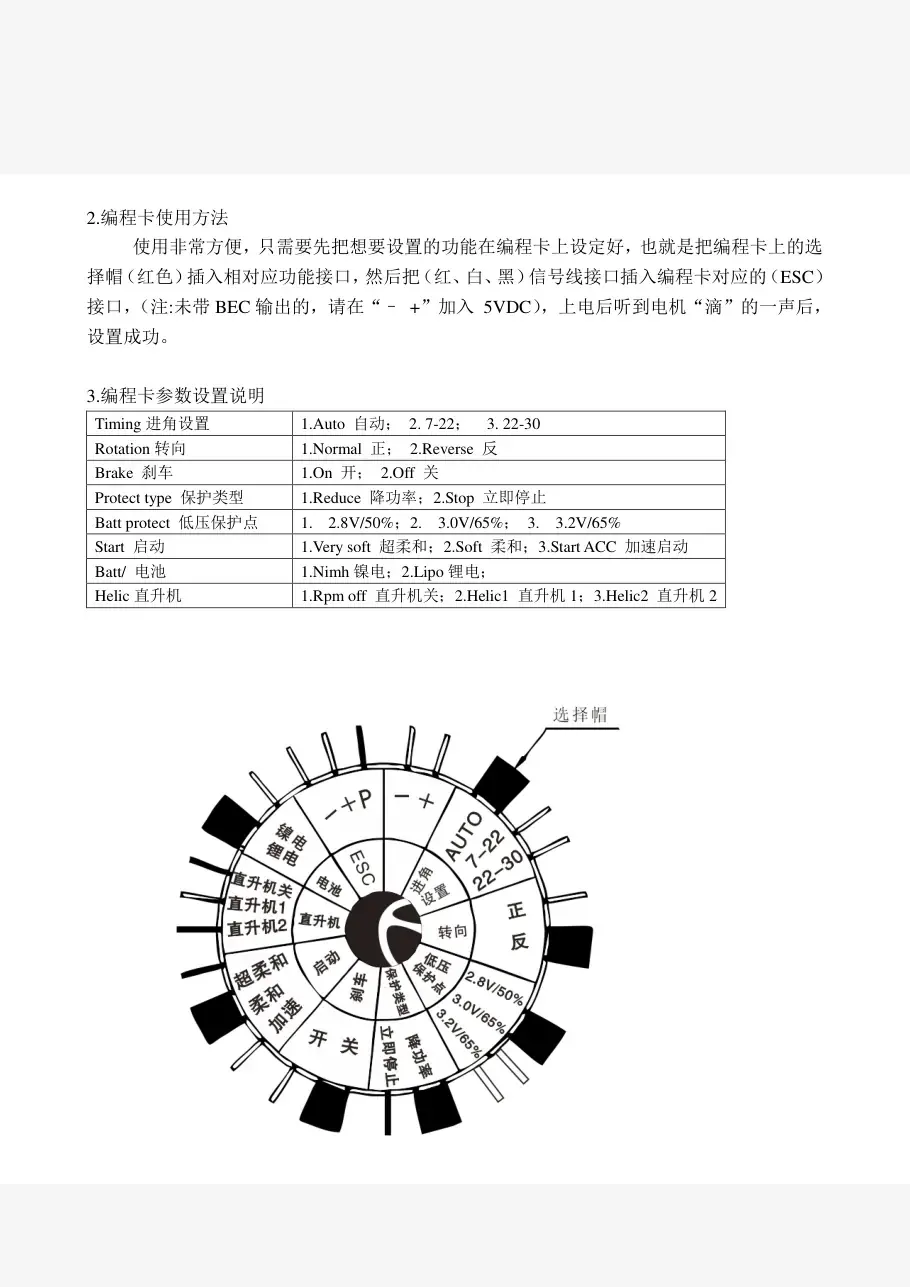
EN edition · 2 page(s)
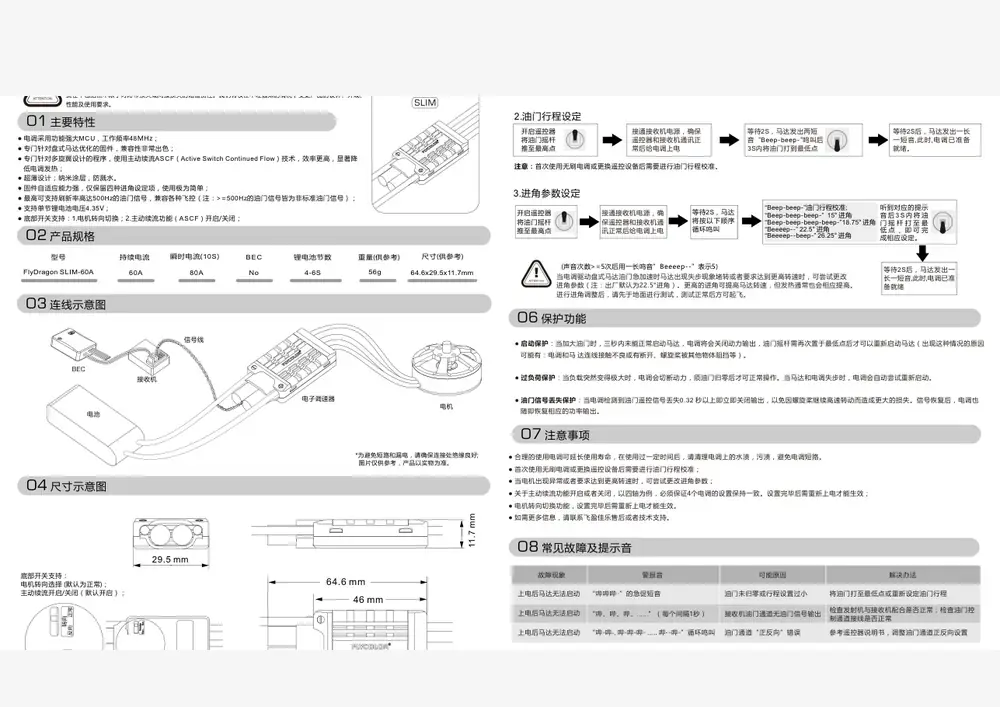
EN edition · 2 page(s)
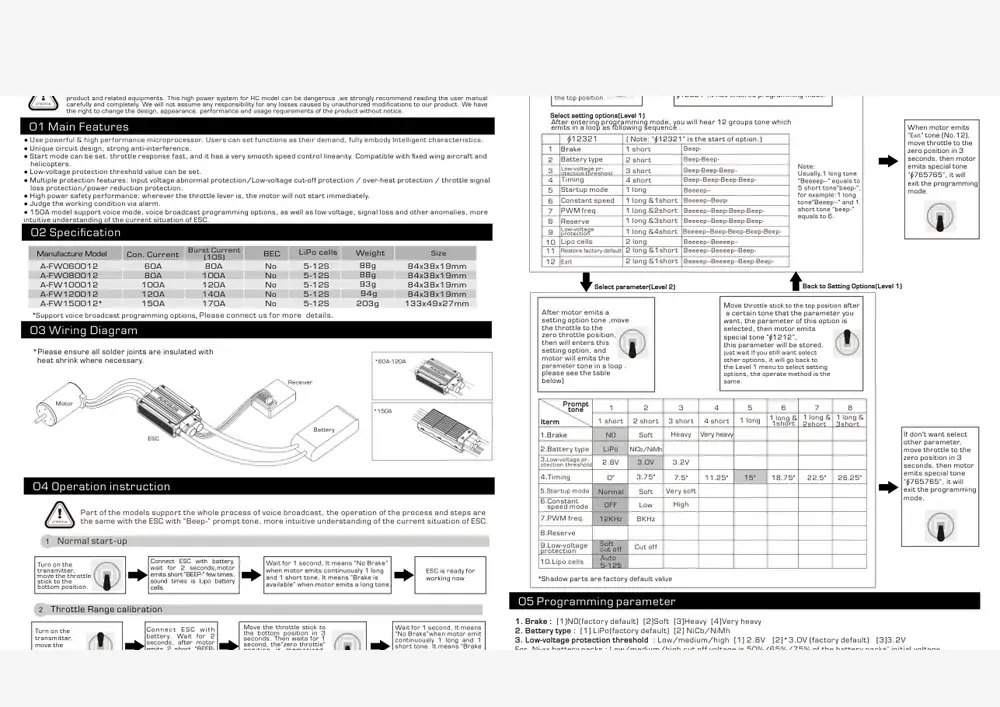
EN edition · 2 page(s)
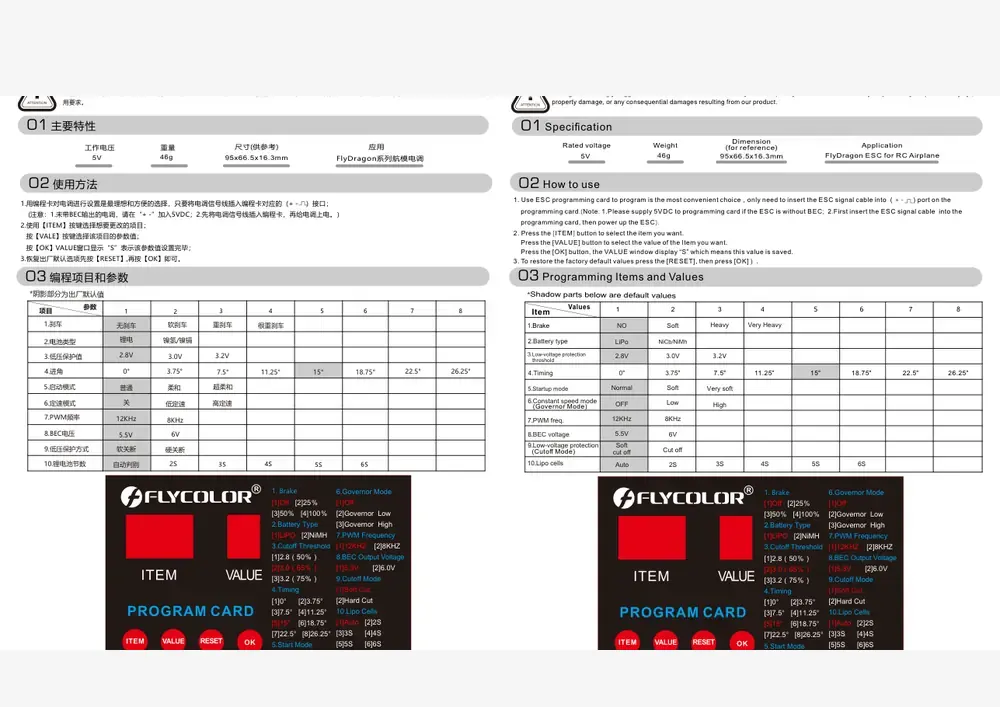
EN edition · 1 page(s)
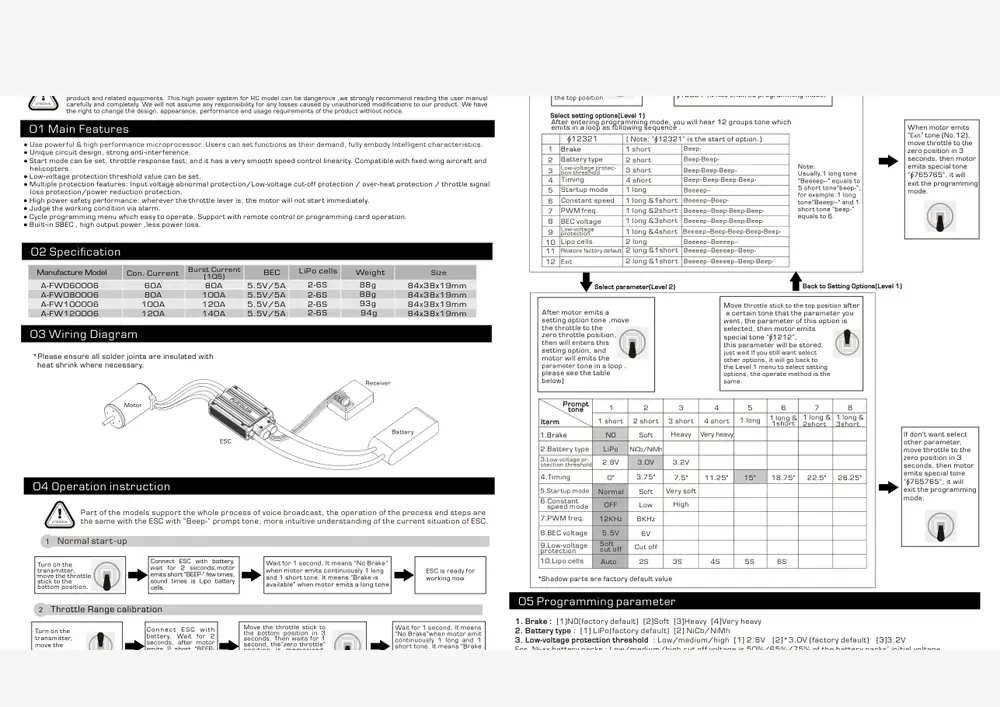
EN edition · 2 page(s)
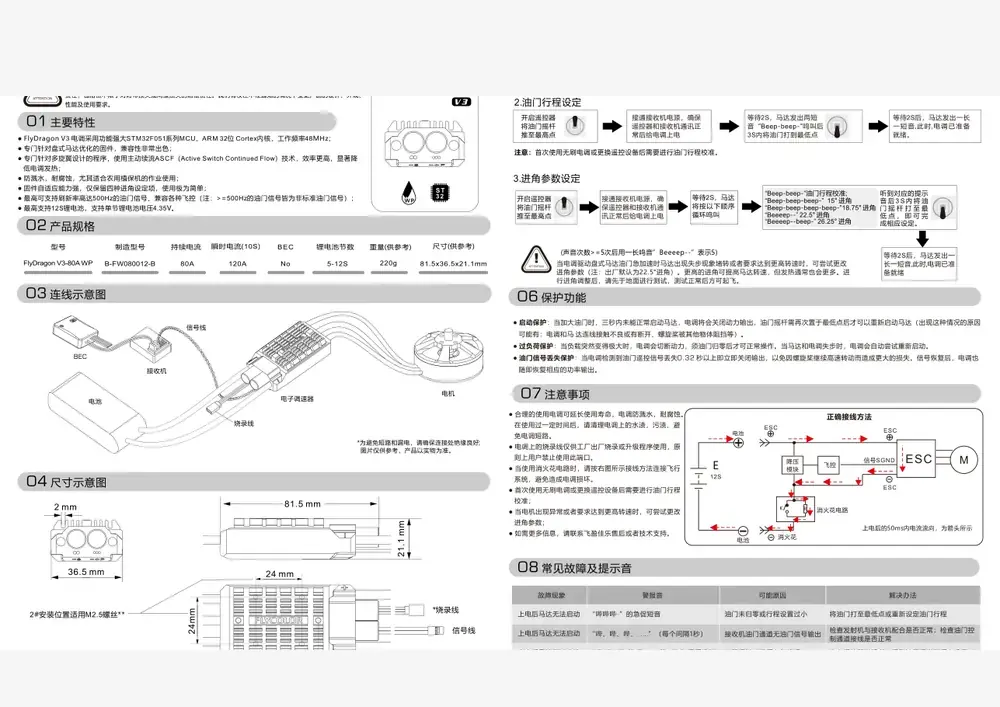
EN edition · 2 page(s)
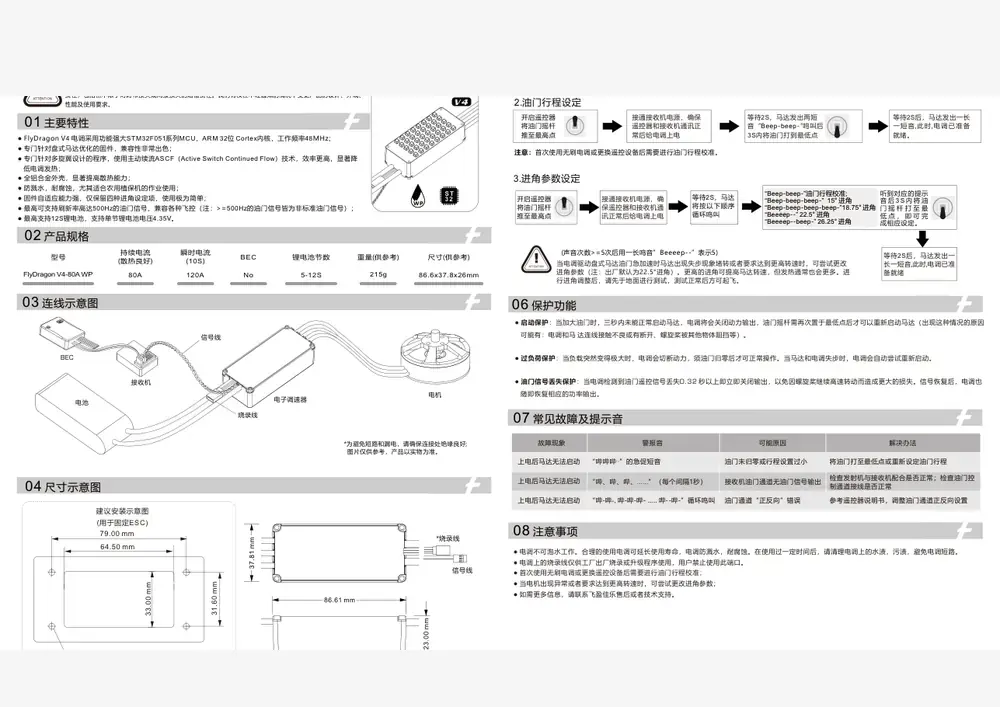
EN edition · 2 page(s)
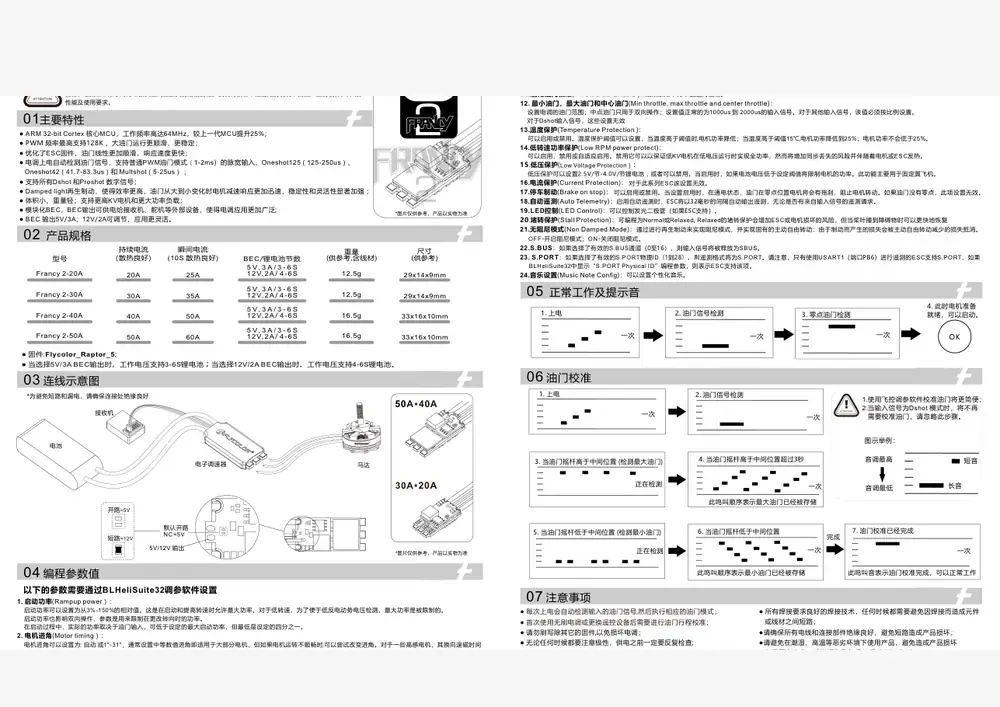
EN edition · 2 page(s)
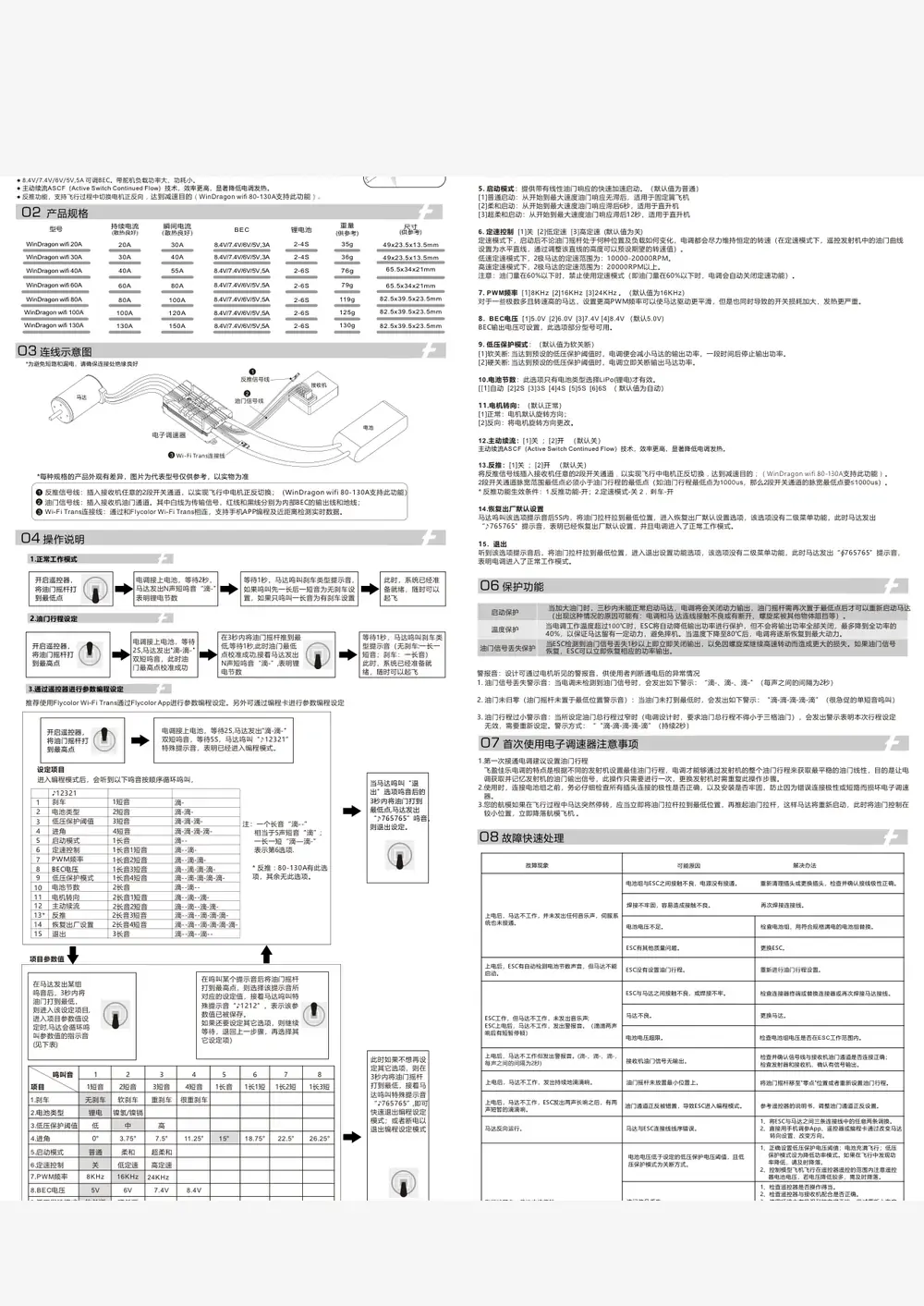
EN edition · 2 page(s)
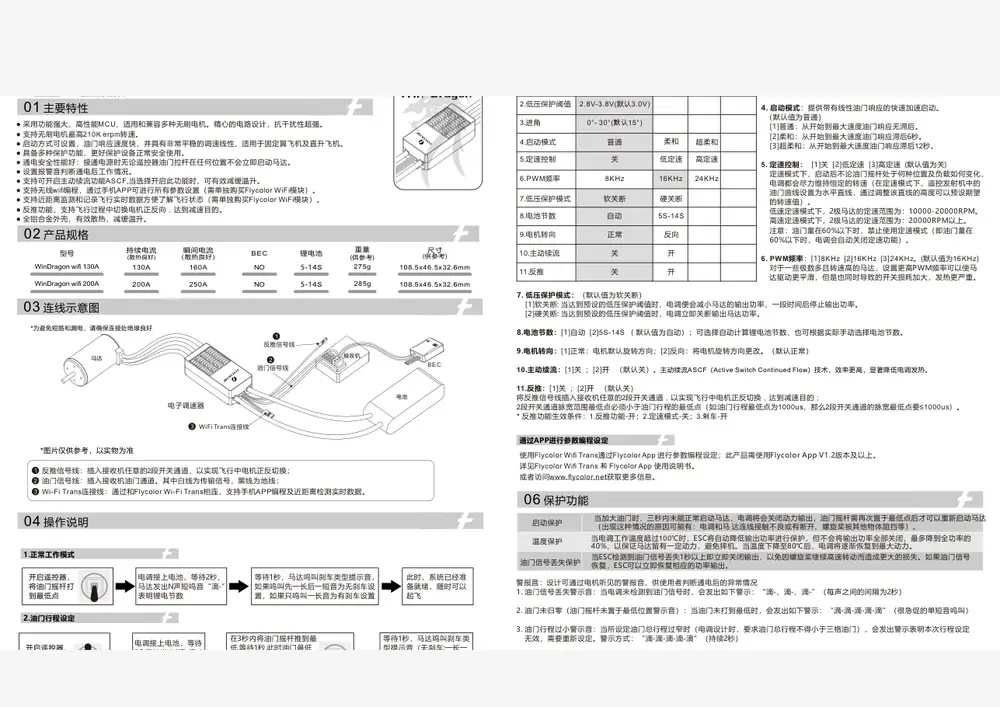
EN edition · 2 page(s)
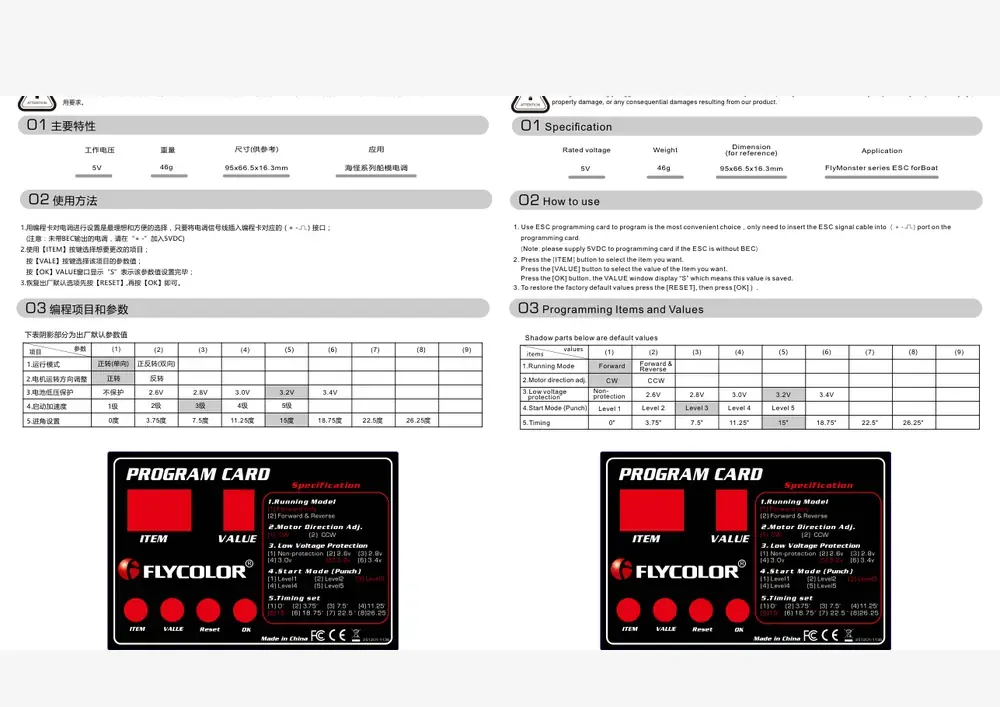
CN edition · 1 page(s)
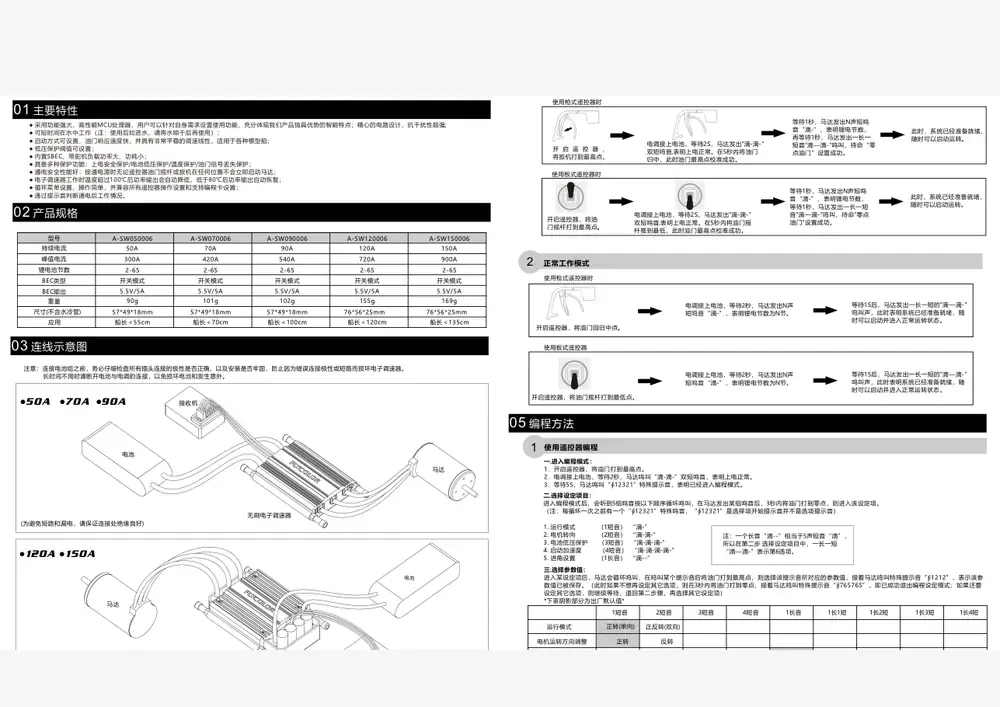
CN edition · 2 page(s)
CN edition · 2 page(s)
EN edition · 1 page(s)
EN edition · 2 page(s)
CN edition · 2 page(s)
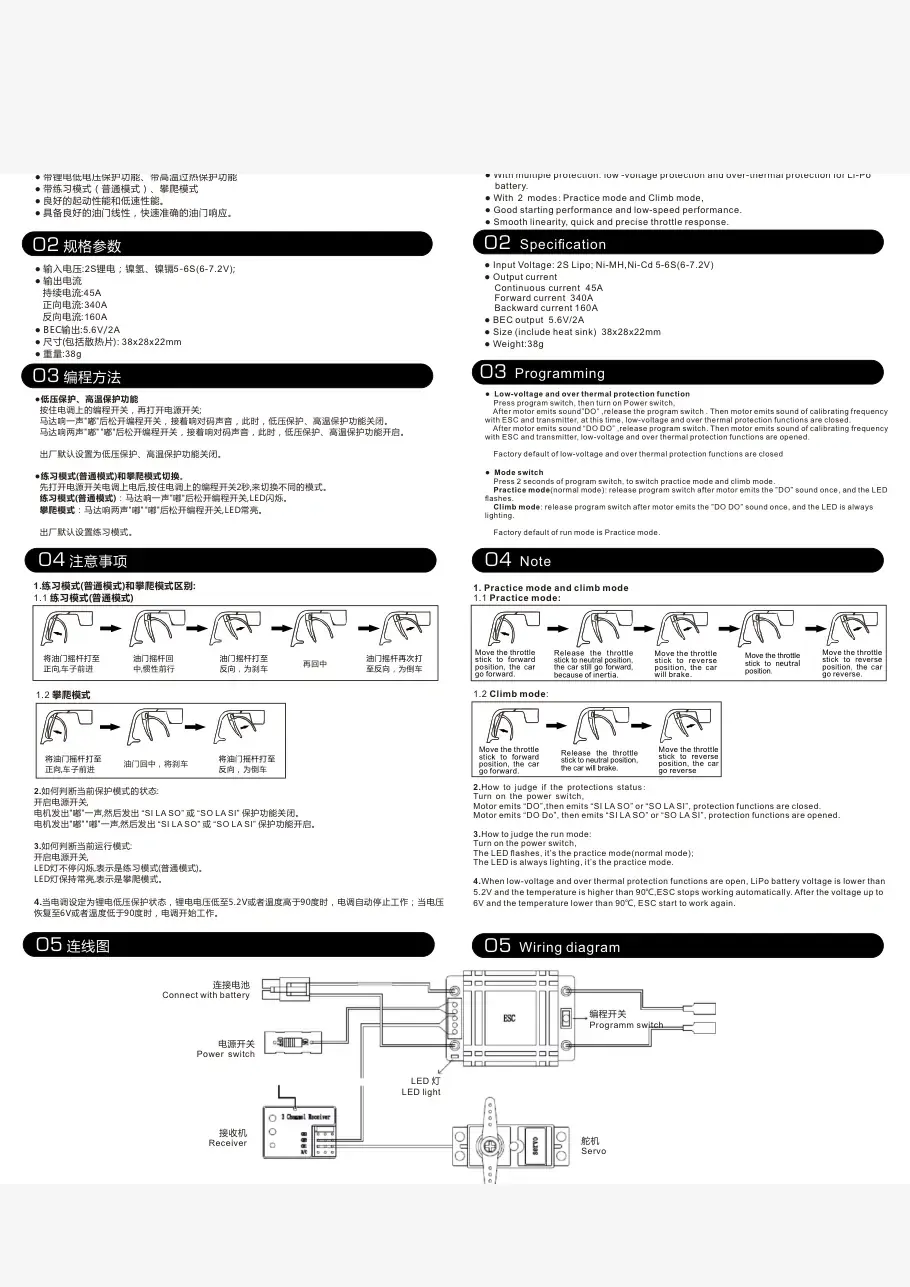
CN edition · 1 page(s)
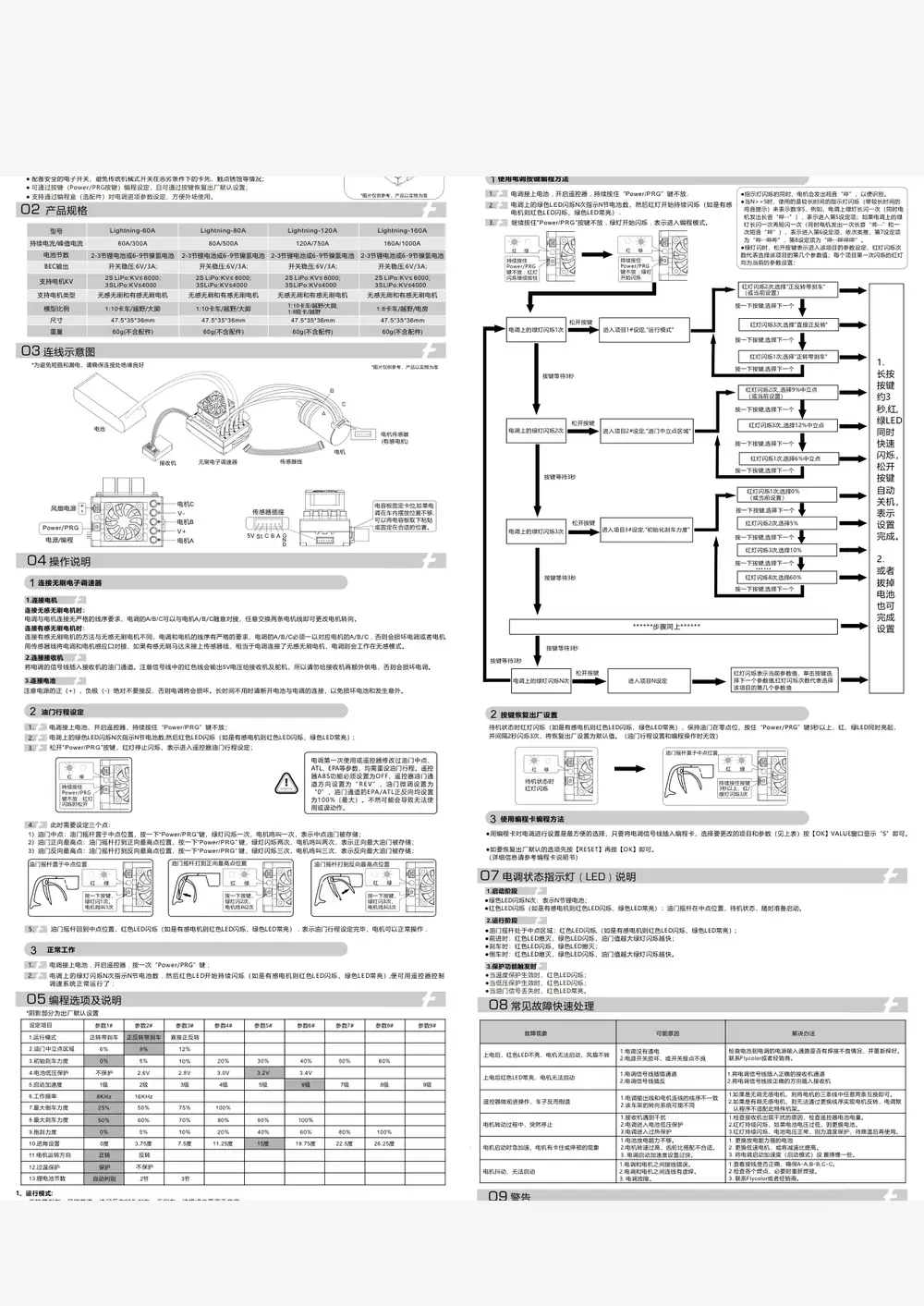
CN edition · 2 page(s)
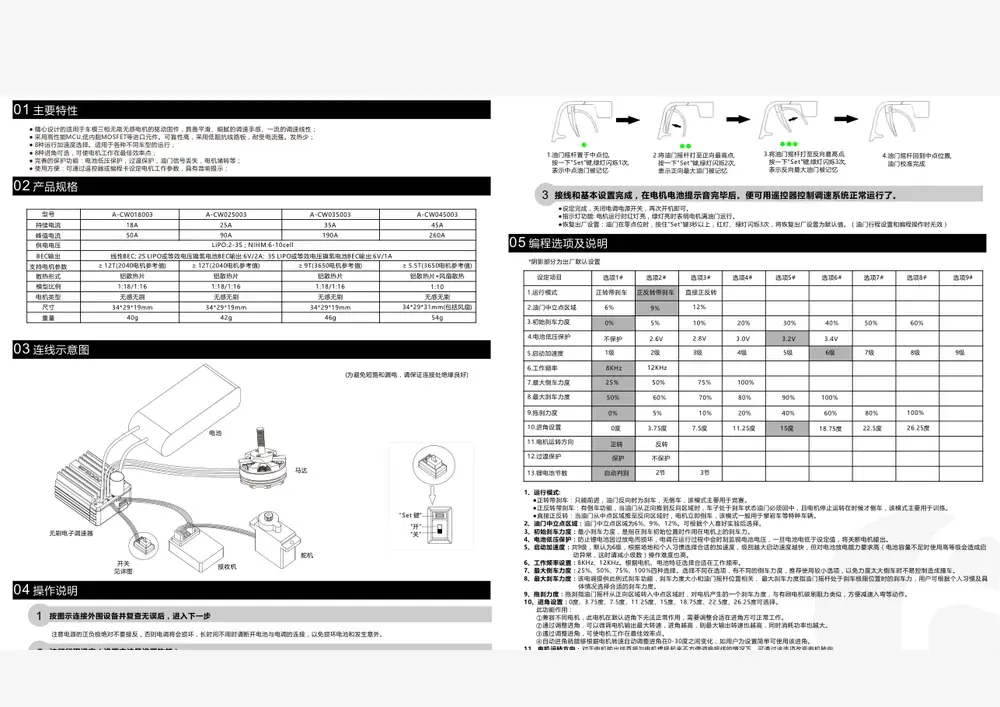
CN edition · 2 page(s)
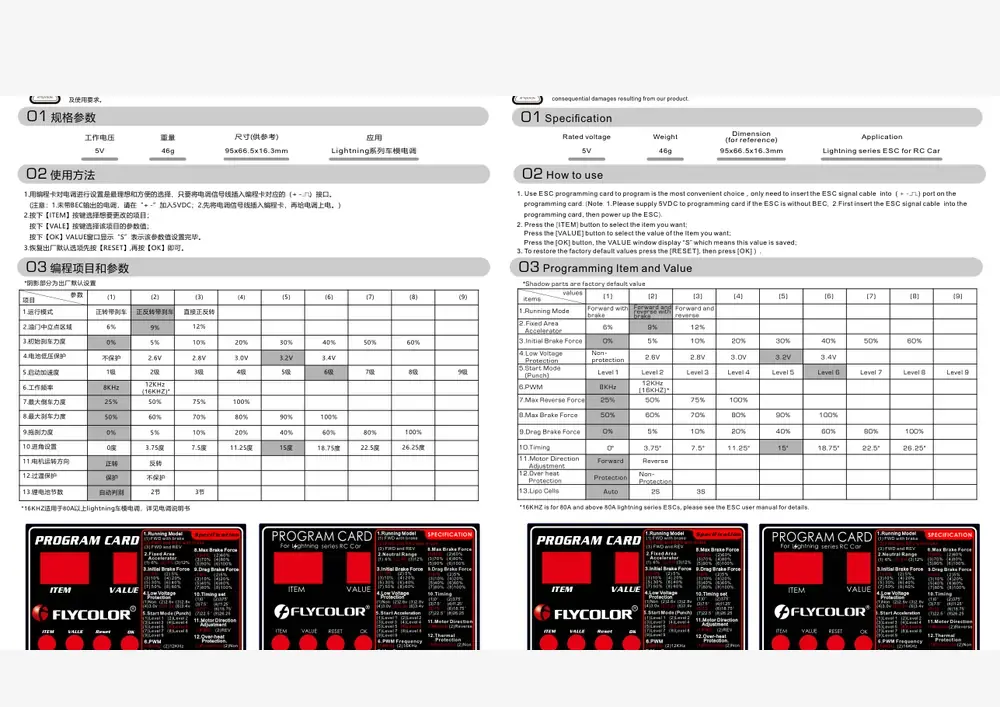
CN edition · 1 page(s)
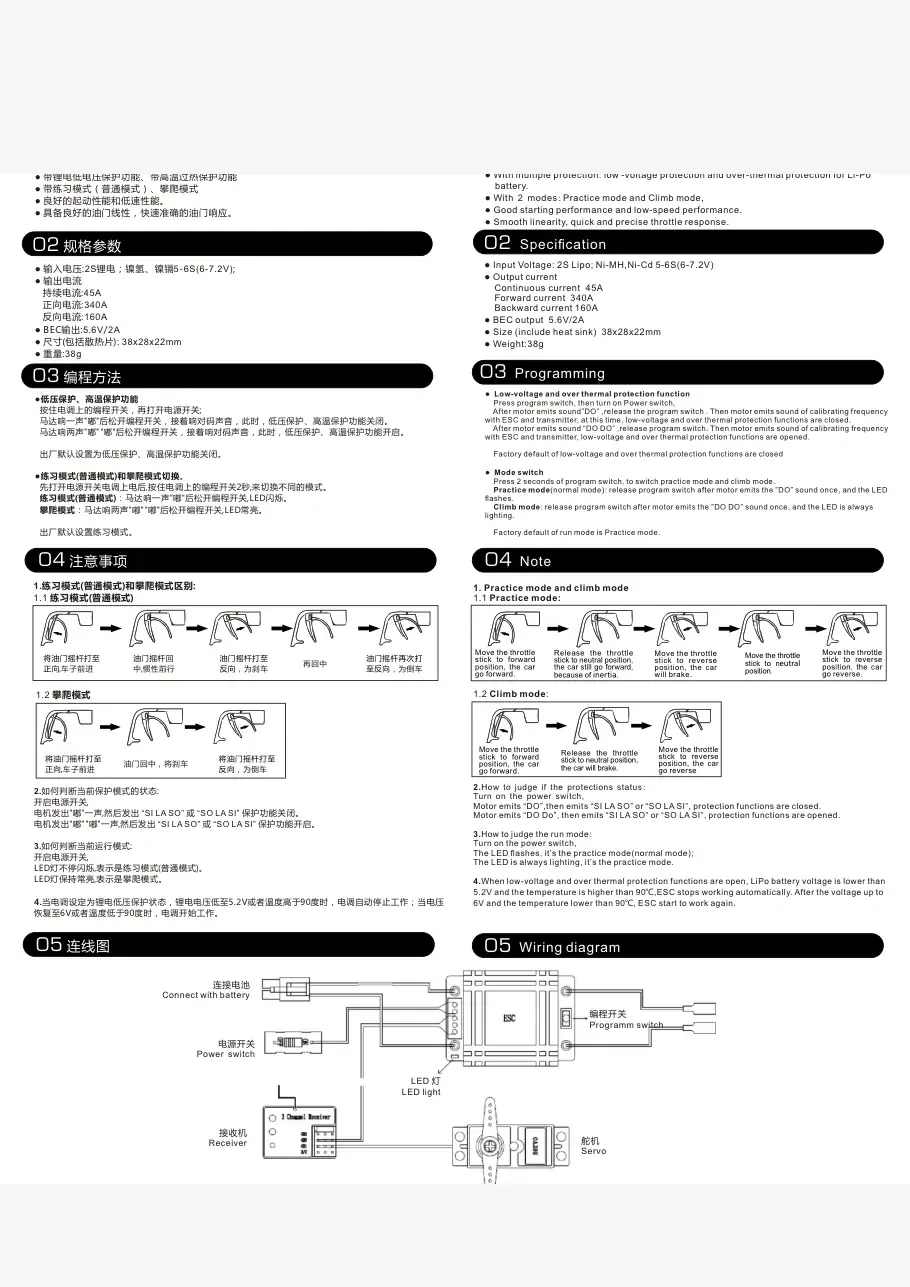
EN edition · 1 page(s)
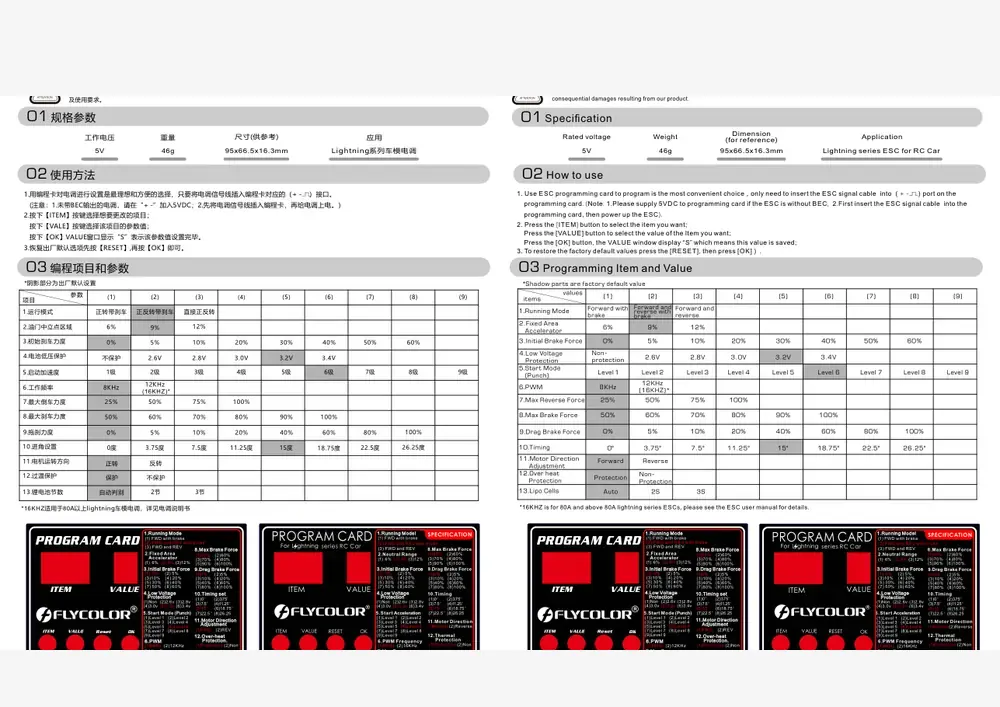
EN edition · 1 page(s)
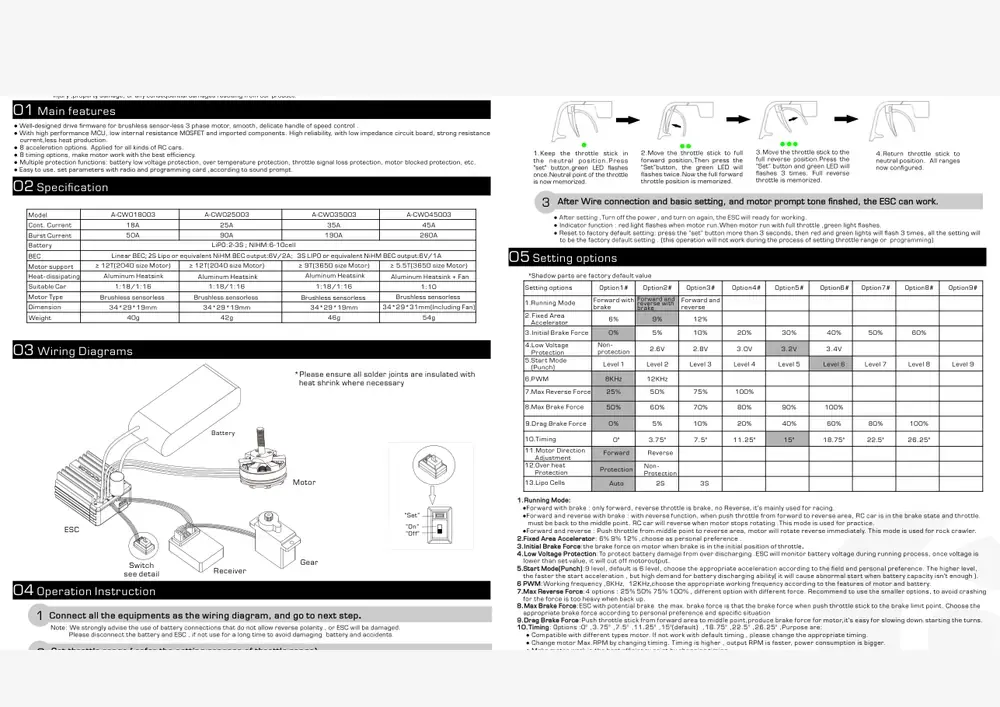
EN edition · 2 page(s)
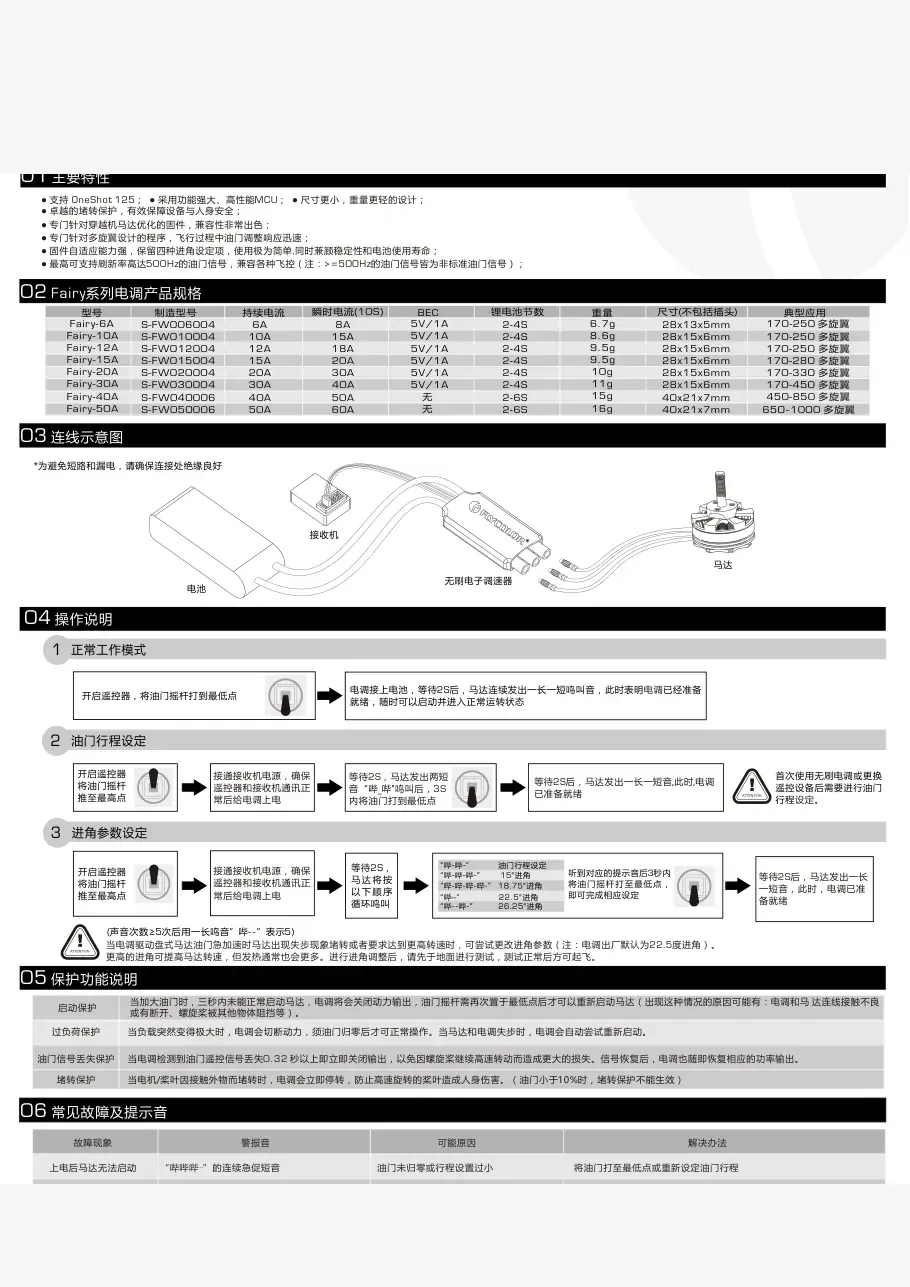
CN edition · 2 page(s)
CN edition · 2 page(s)
CN edition · 2 page(s)
CN edition · 2 page(s)
CN edition · 2 page(s)
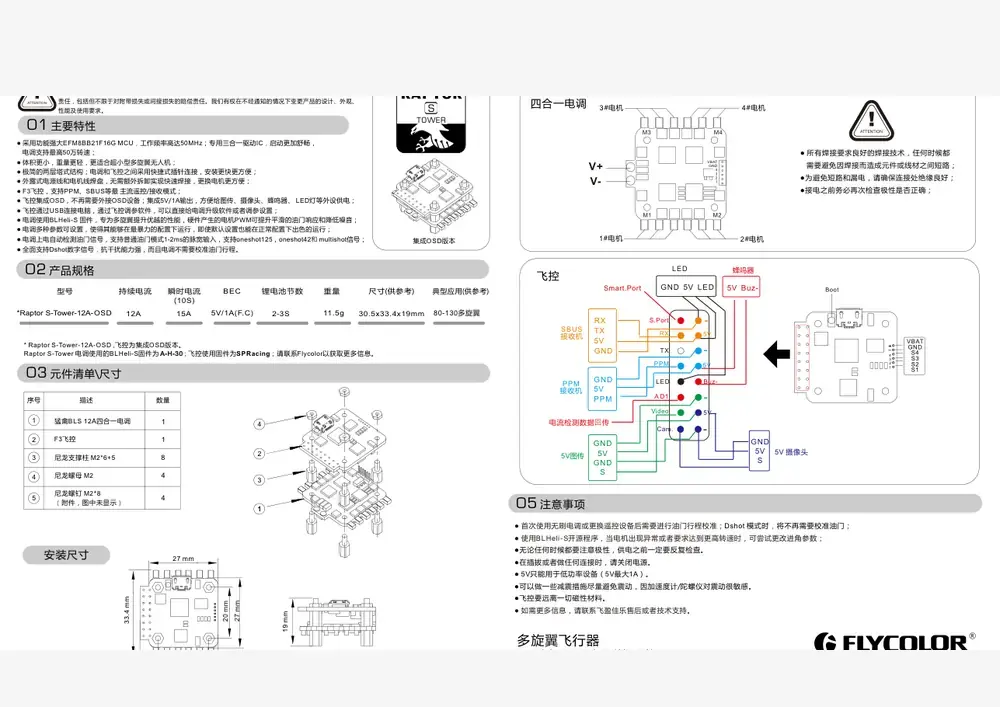
CN edition · 2 page(s)
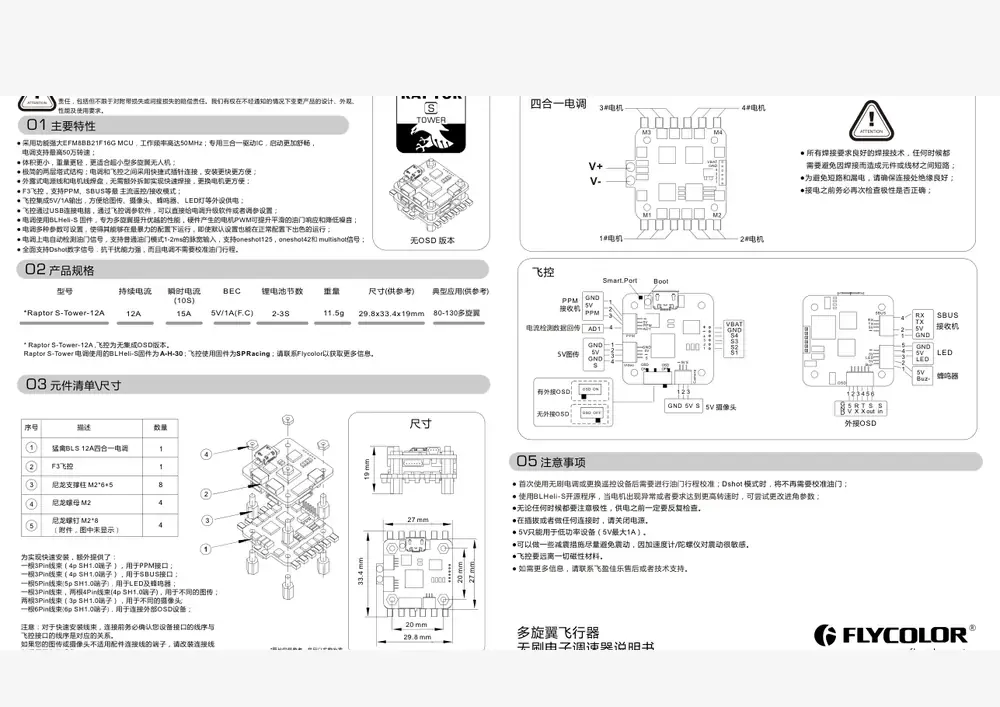
CN edition · 2 page(s)
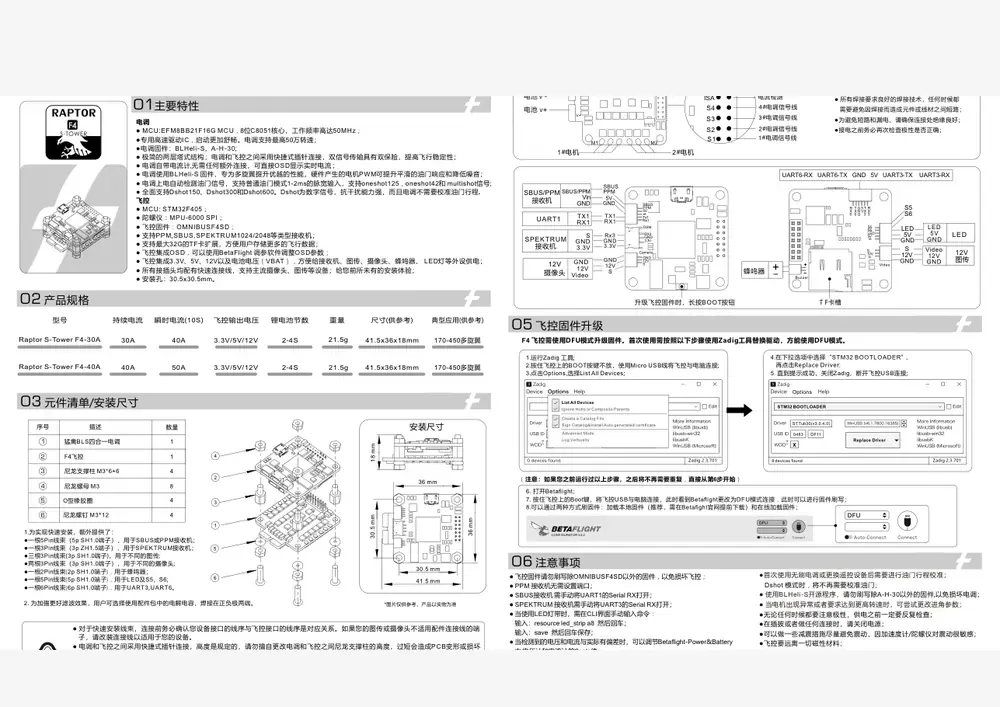
CN edition · 2 page(s)
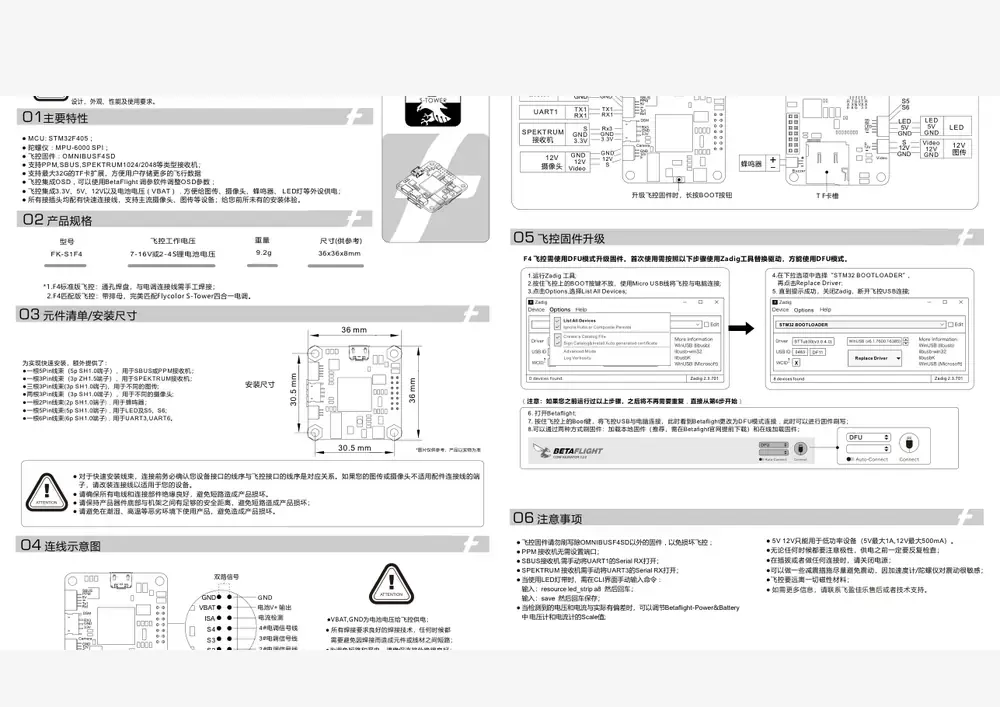
CN edition · 2 page(s)
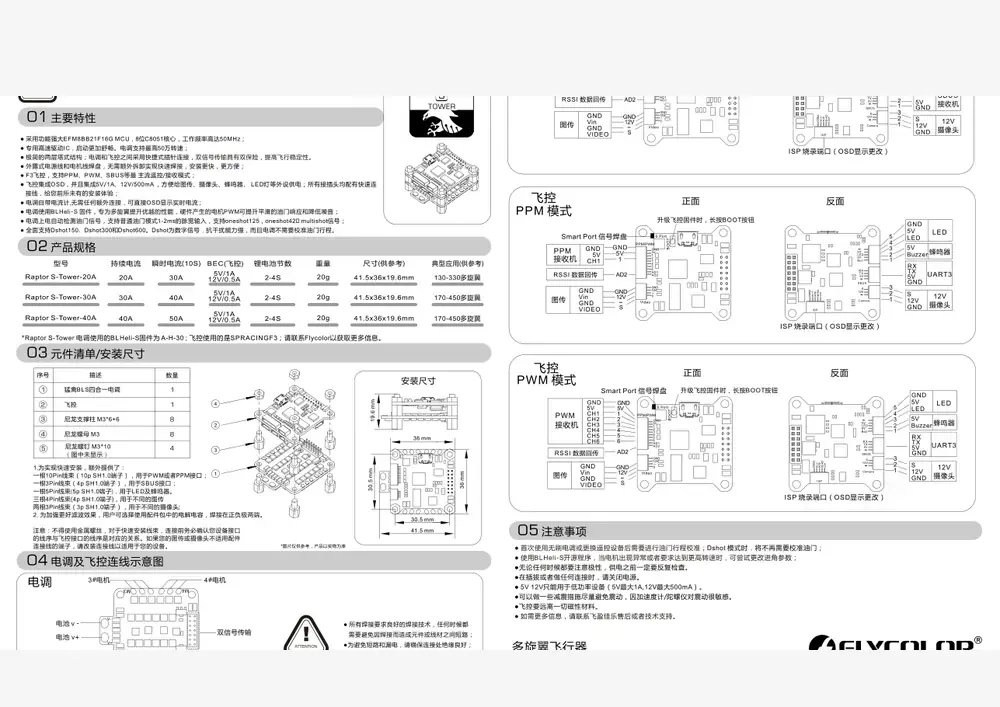
CN edition · 2 page(s)
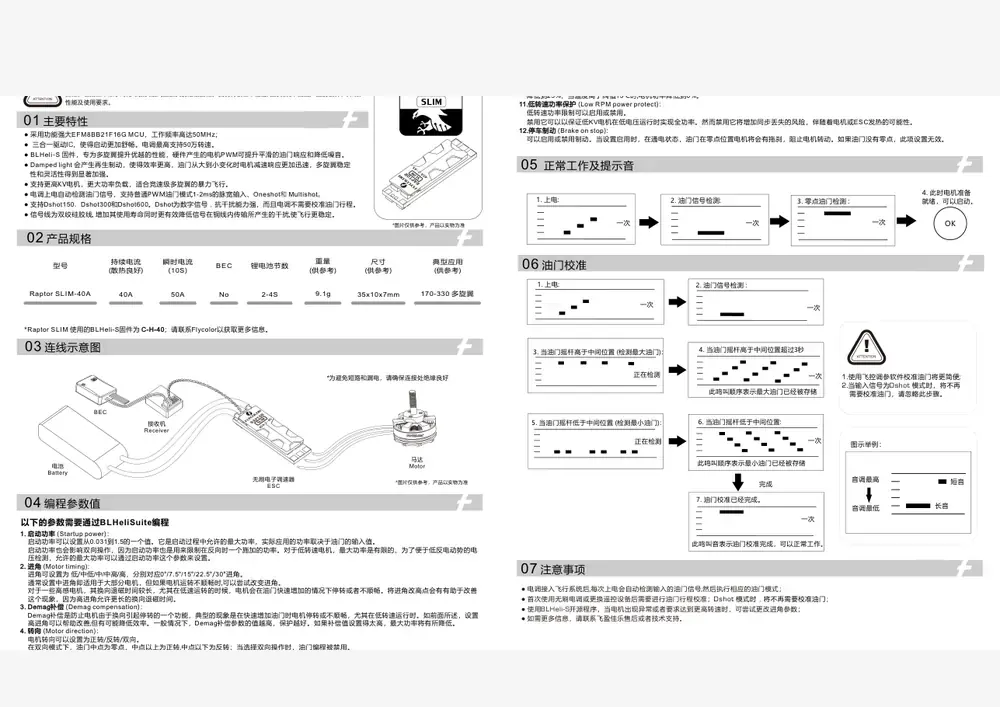
CN edition · 2 page(s)
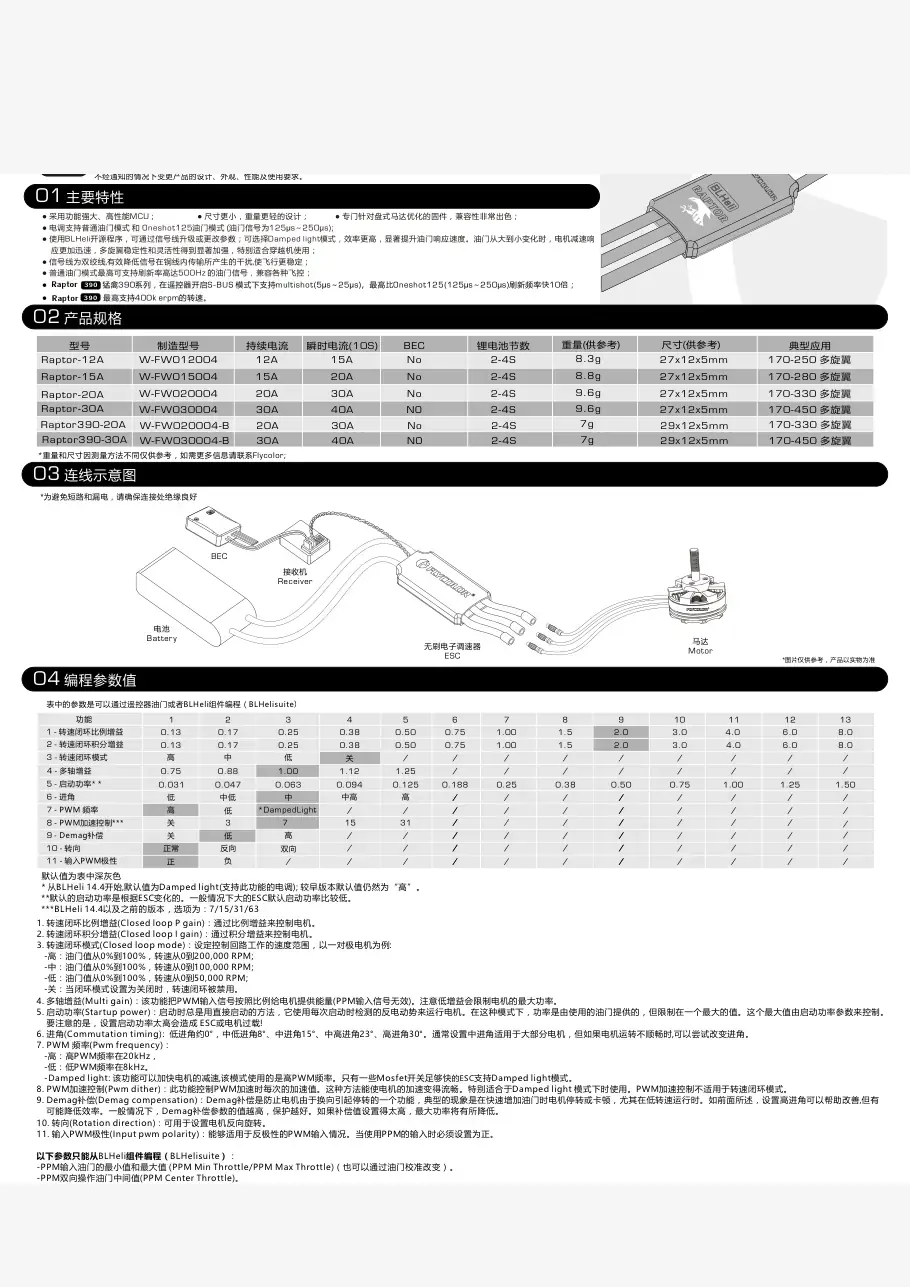
CN edition · 2 page(s)
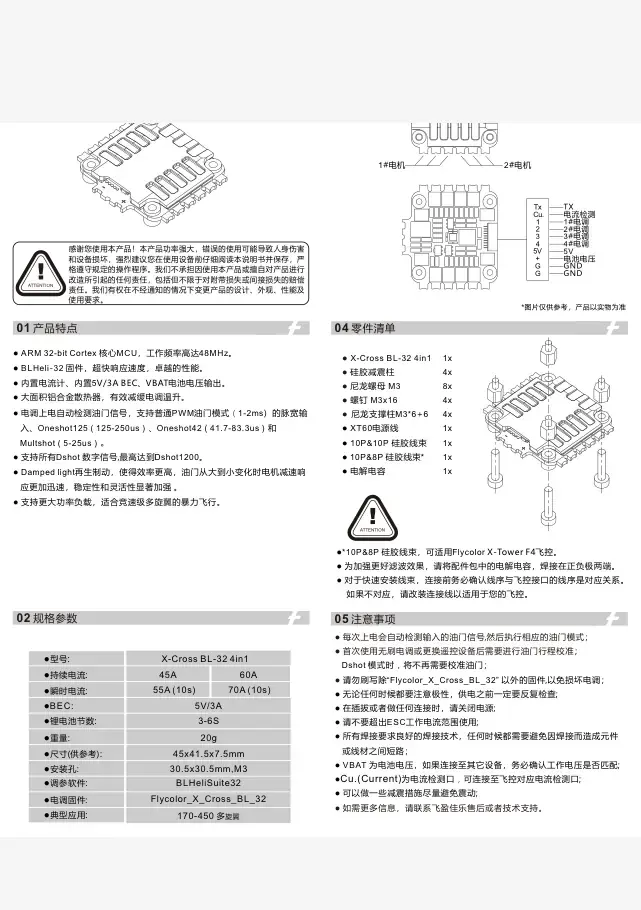
CN edition · 2 page(s)
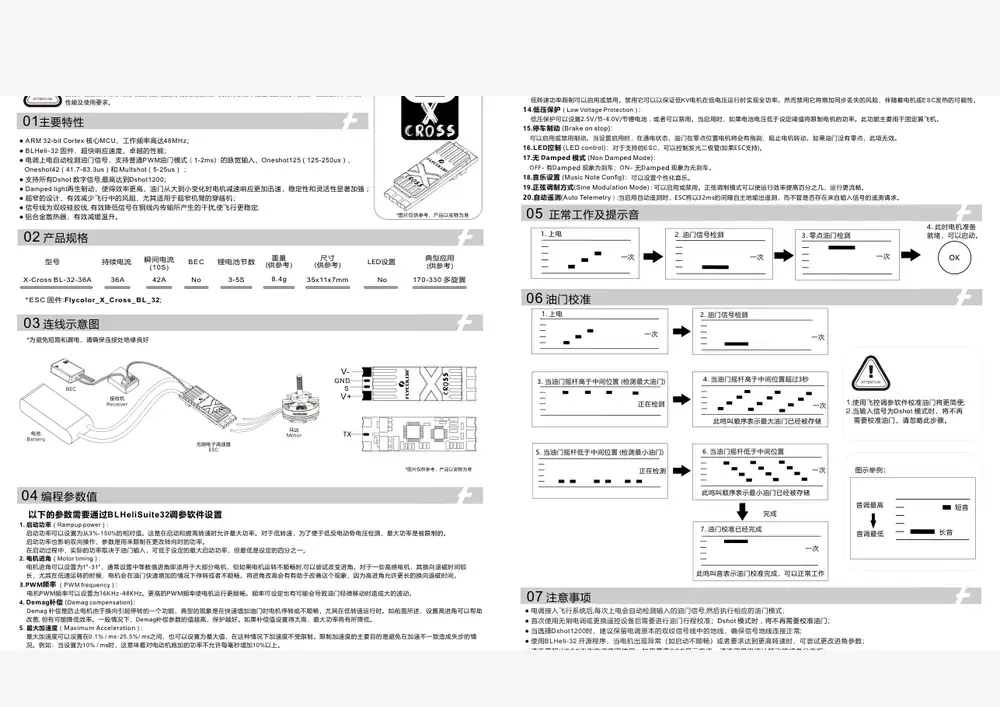
CN edition · 2 page(s)
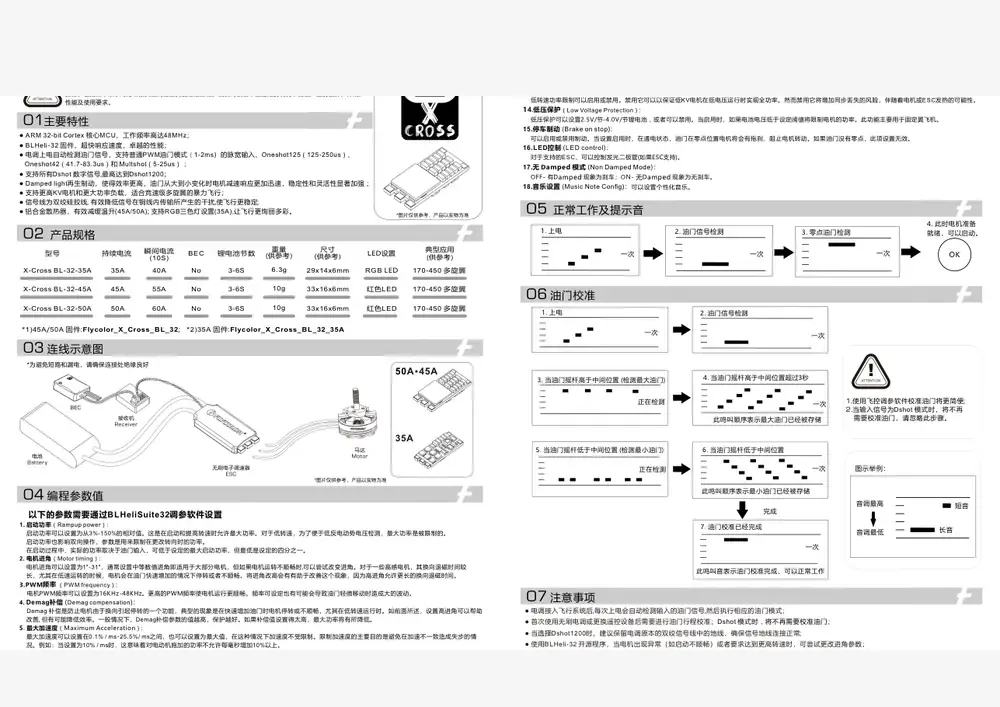
CN edition · 2 page(s)
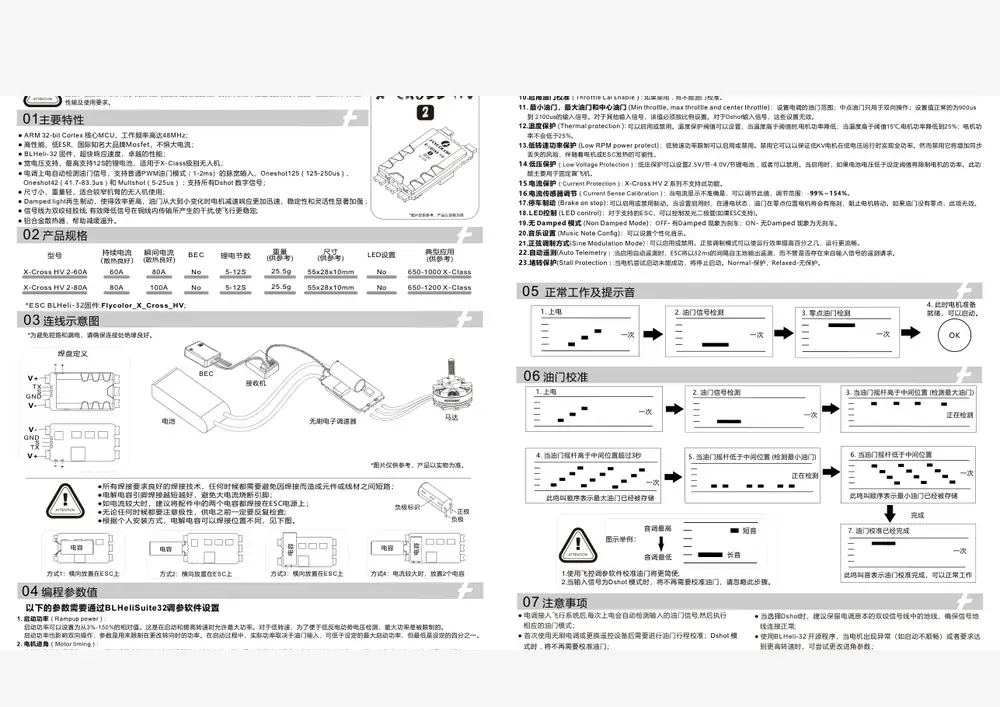
CN edition · 2 page(s)
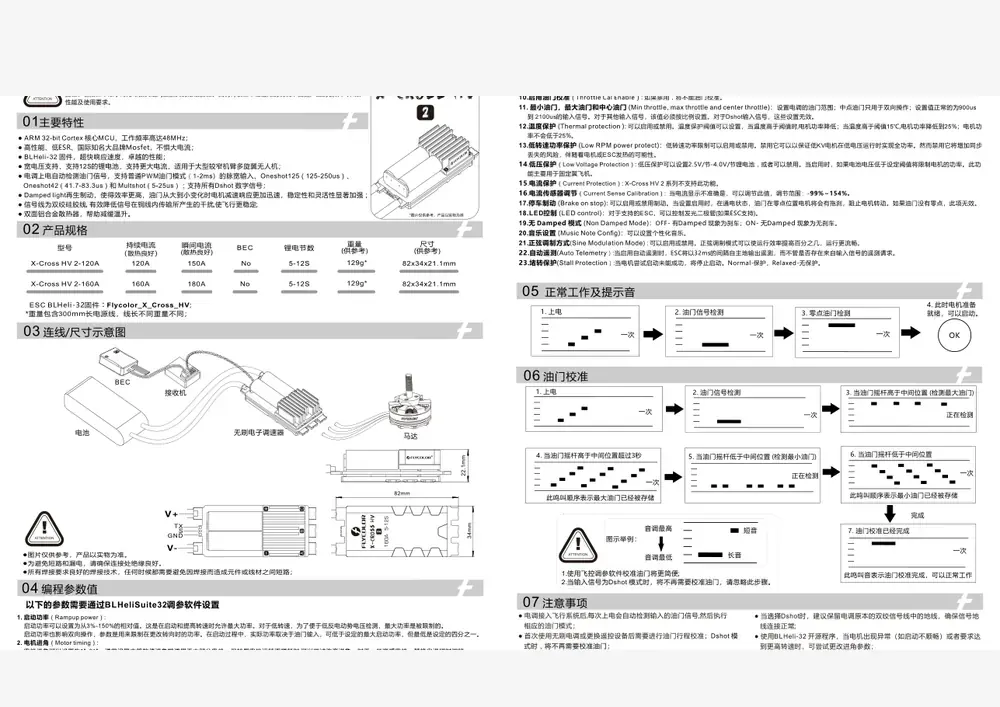
CN edition · 2 page(s)
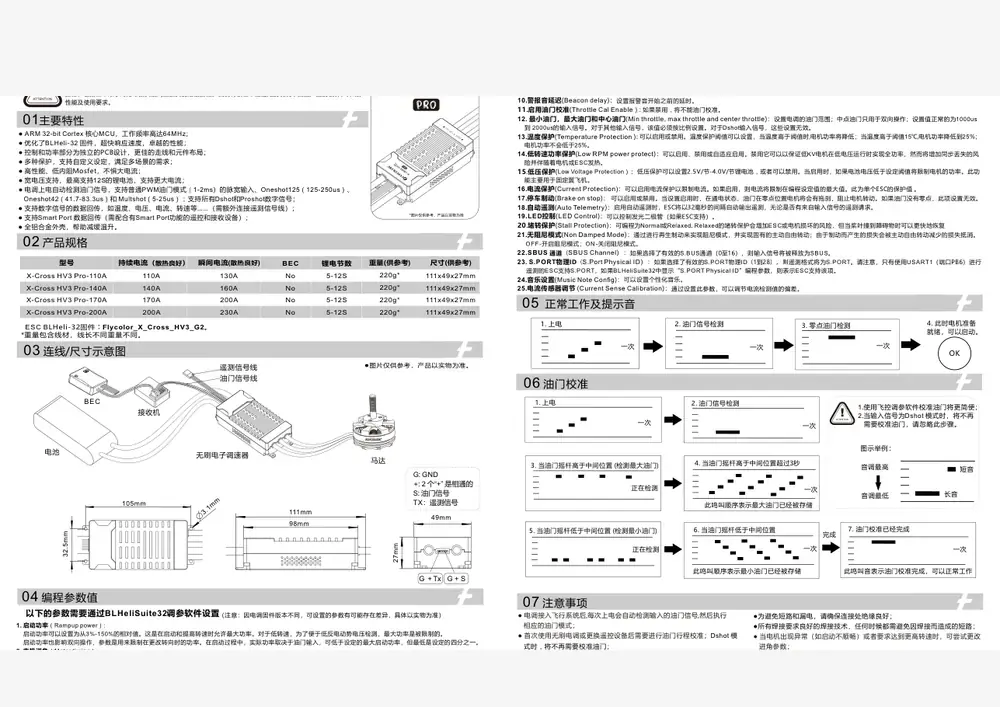
CN edition · 2 page(s)
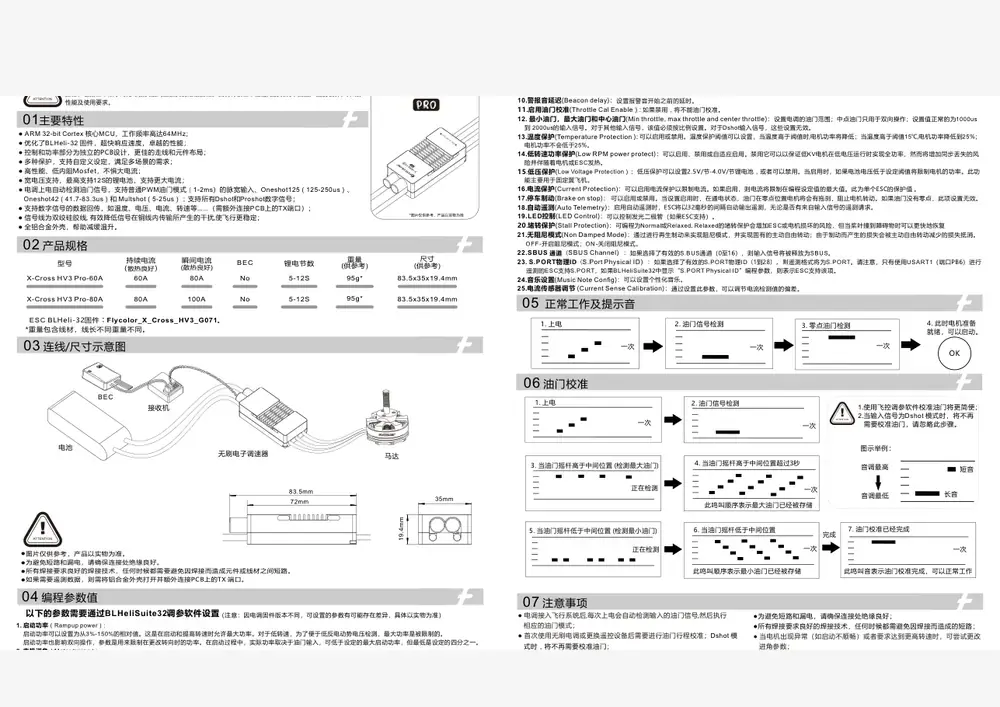
CN edition · 2 page(s)
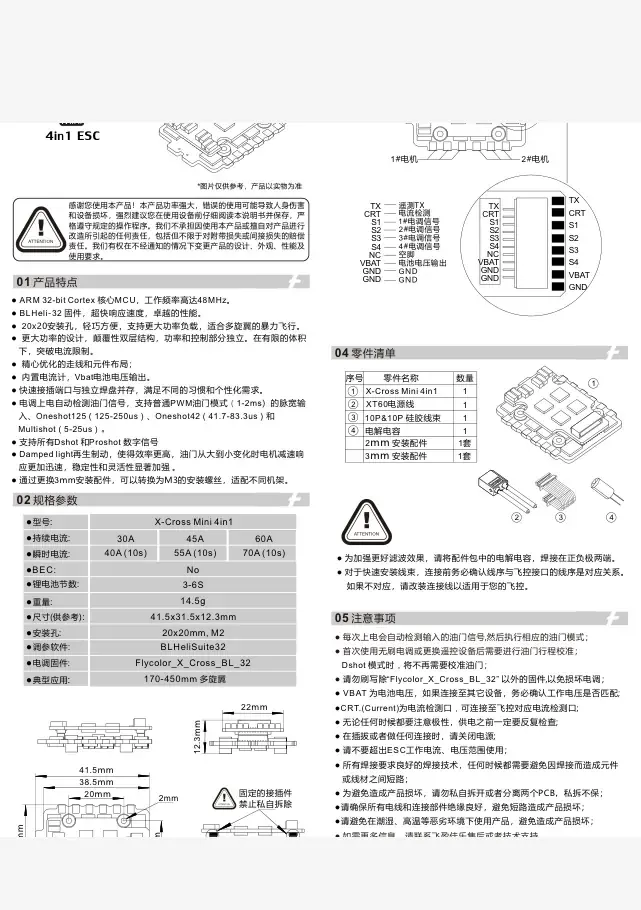
CN edition · 2 page(s)
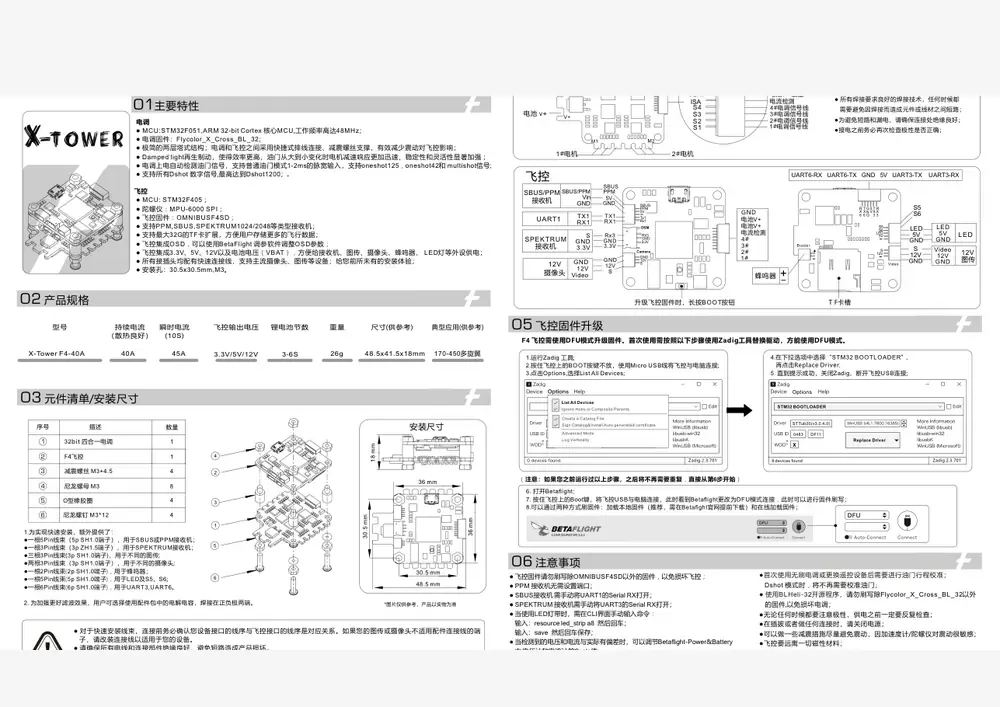
CN edition · 2 page(s)
CN edition · 2 page(s)
CN edition · 2 page(s)
CN edition · 2 page(s)
CN edition · 2 page(s)
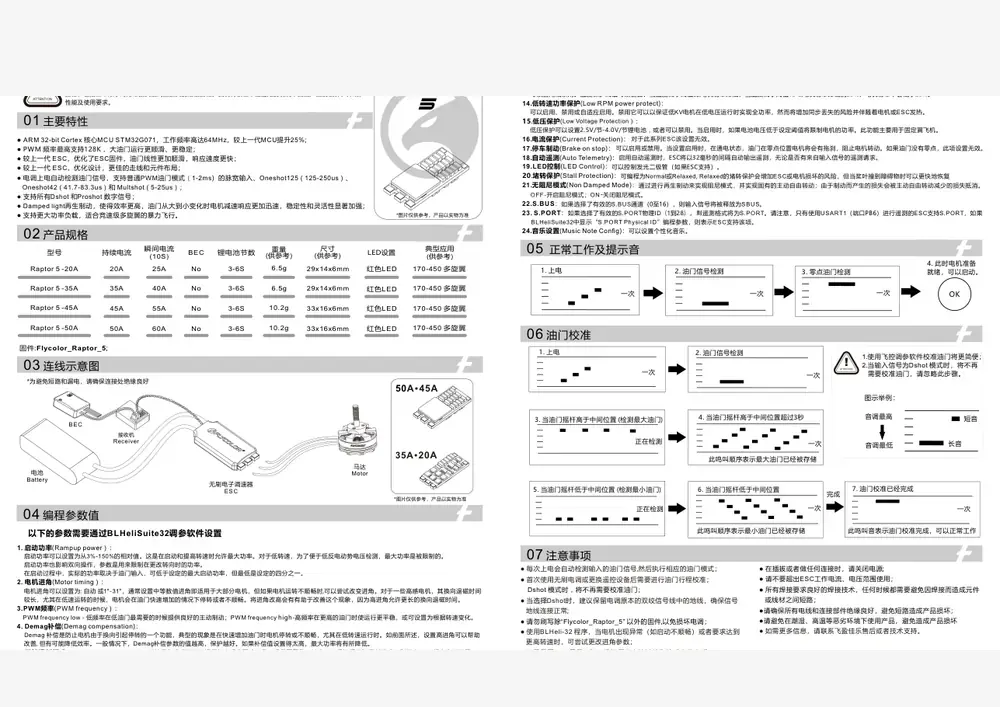
CN edition · 2 page(s)
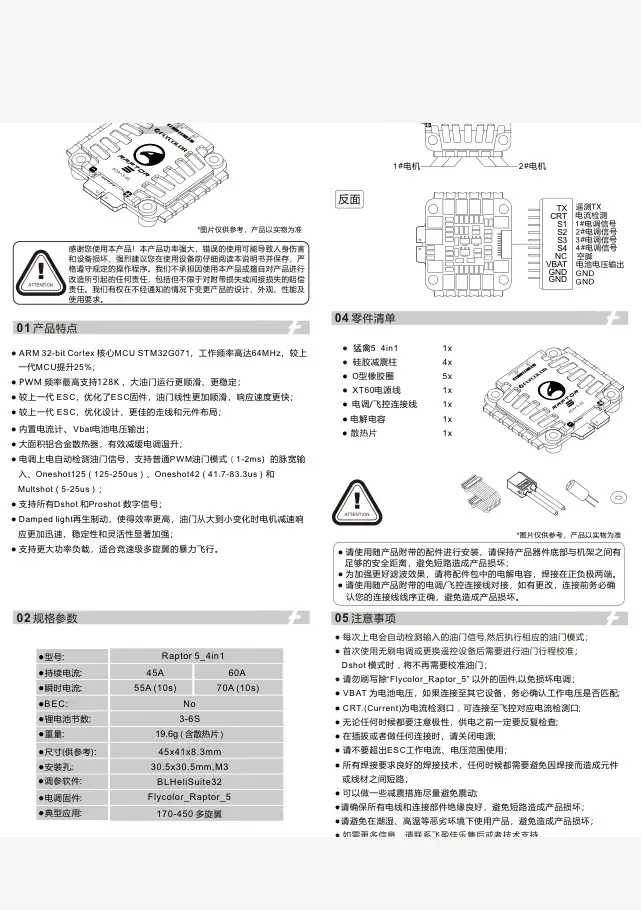
CN edition · 2 page(s)
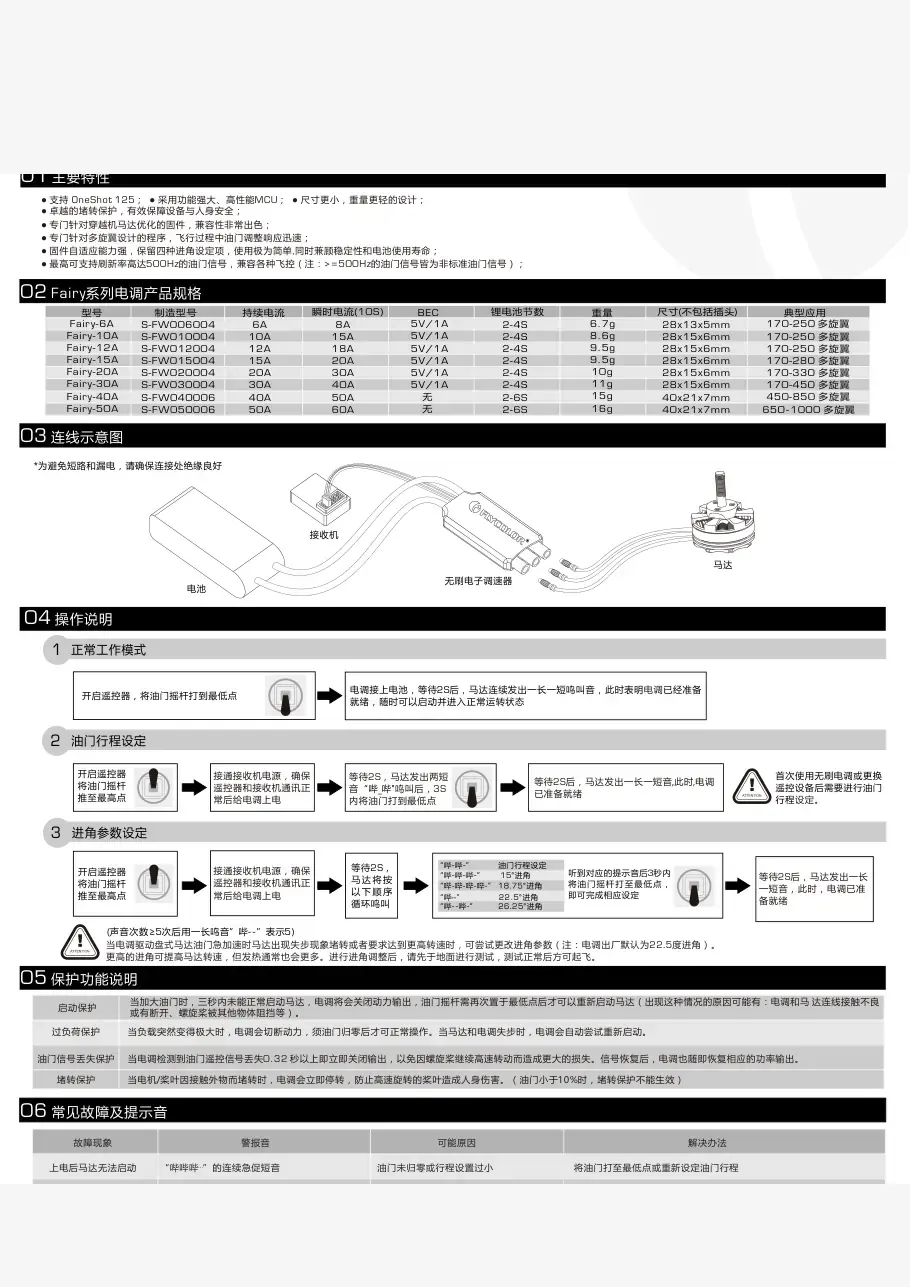
EN edition · 2 page(s)
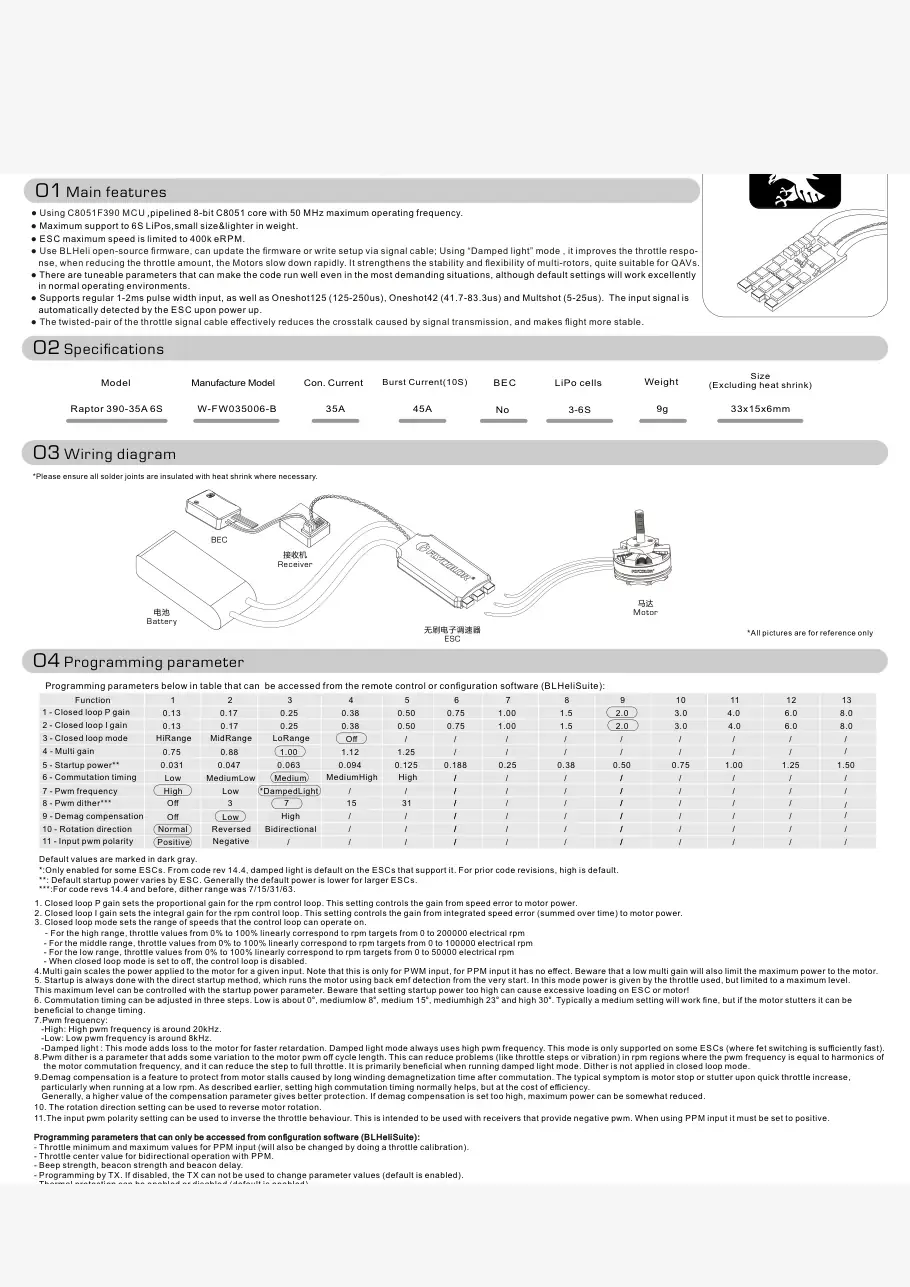
EN edition · 2 page(s)
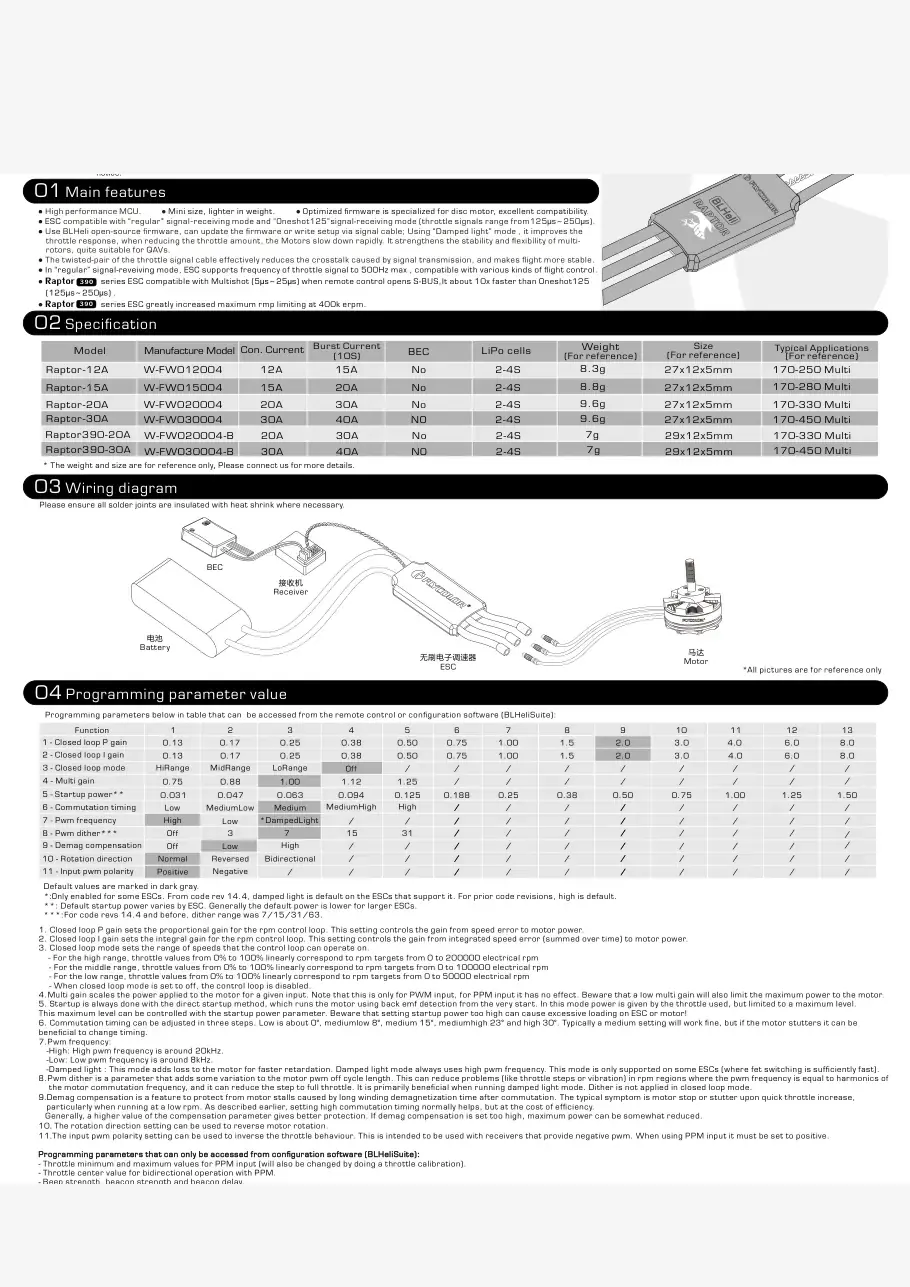
EN edition · 2 page(s)
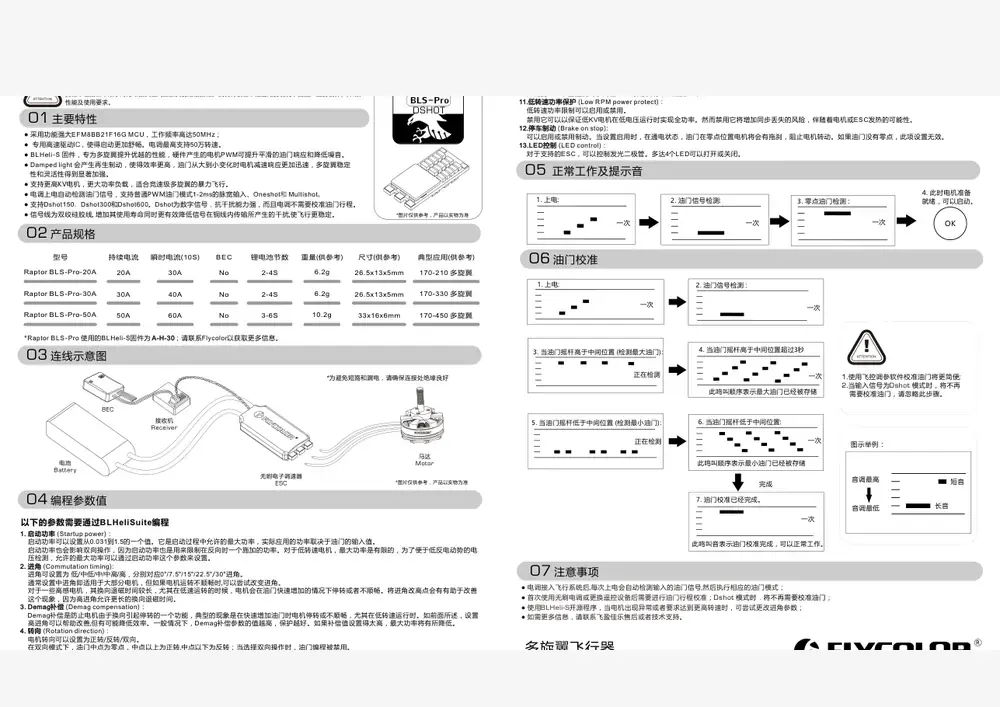
EN edition · 2 page(s)
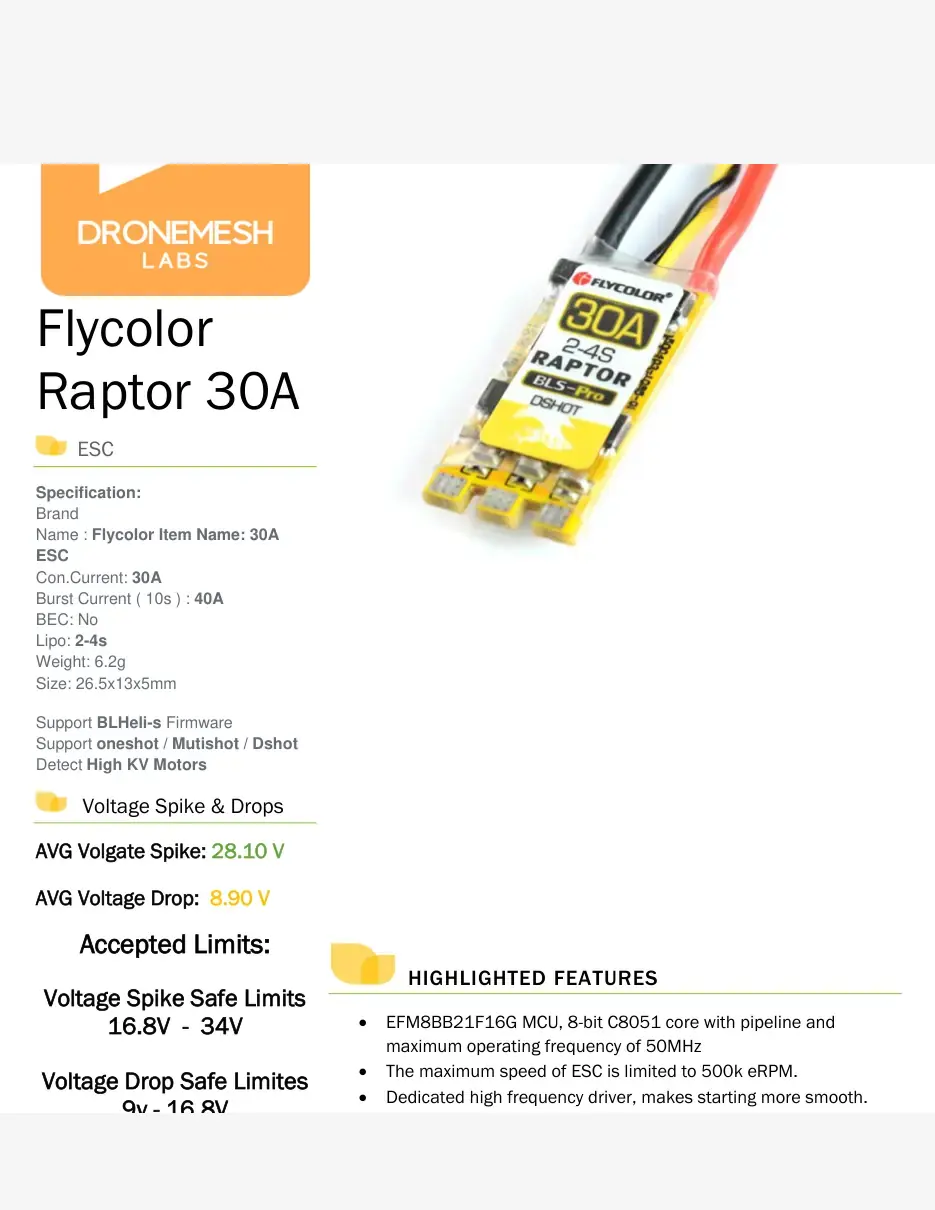
EN edition · 4 page(s)
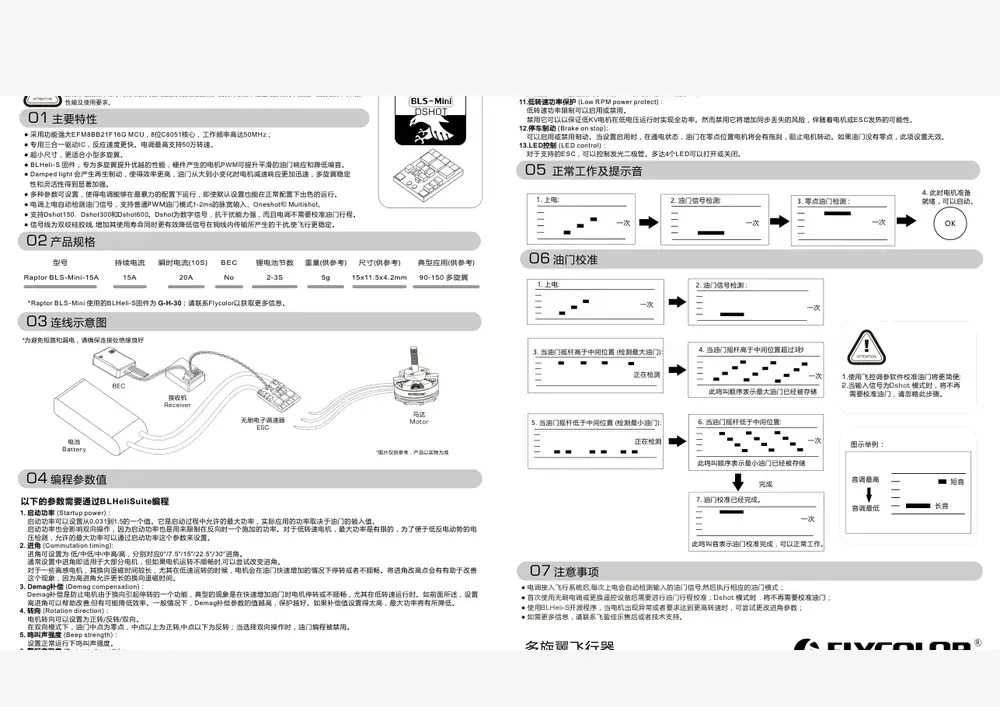
EN edition · 2 page(s)
EN edition · 2 page(s)
EN edition · 2 page(s)
EN edition · 2 page(s)
EN edition · 2 page(s)
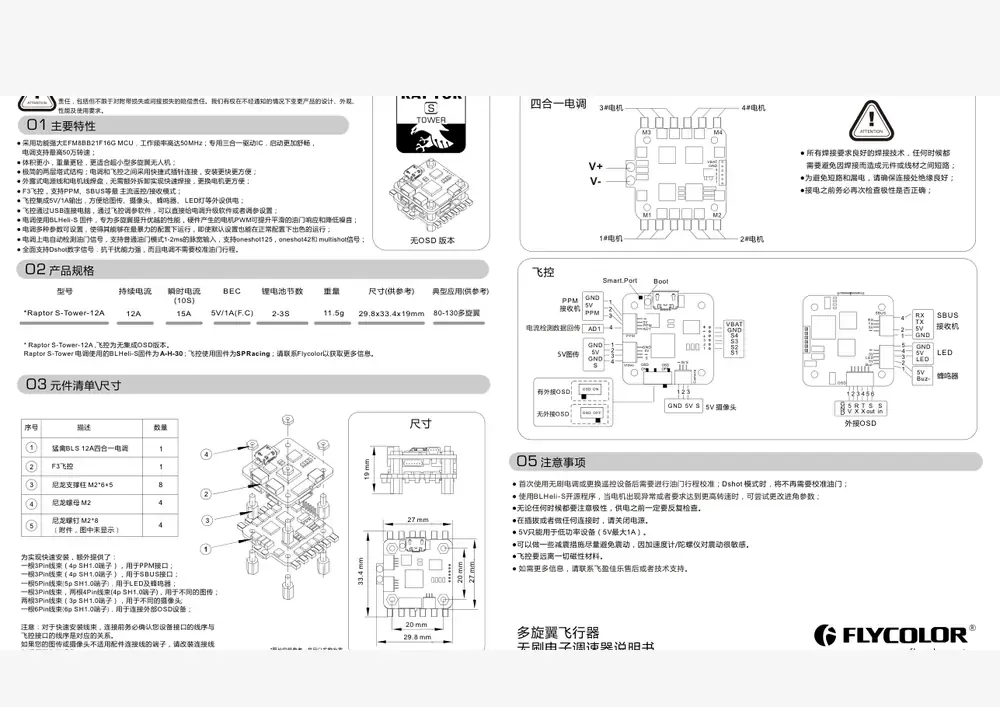
EN edition · 2 page(s)
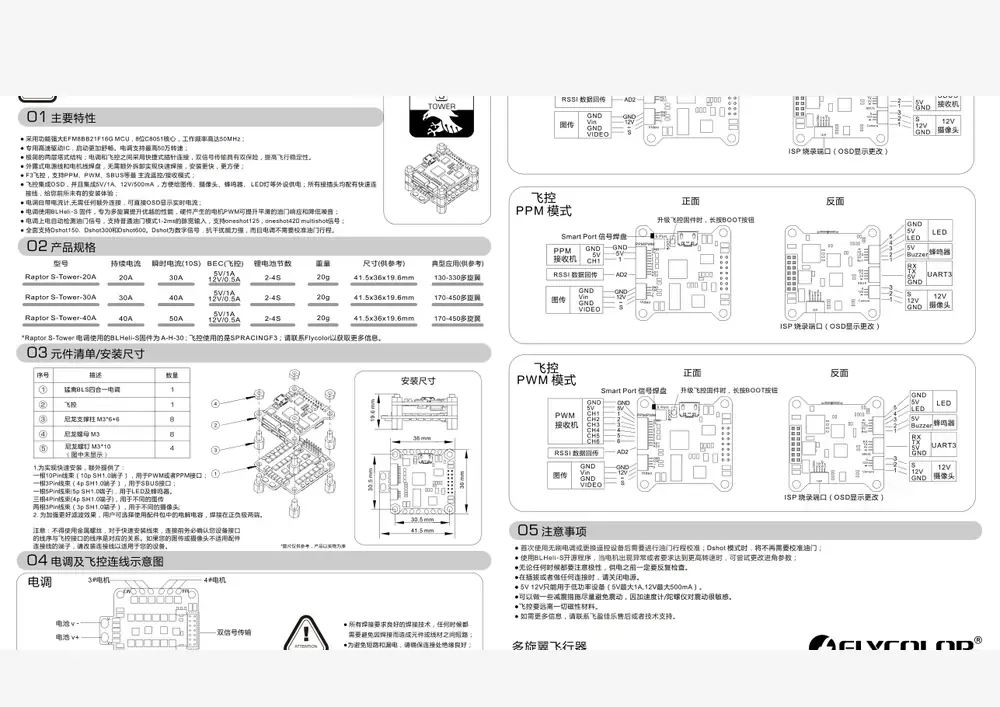
EN edition · 2 page(s)
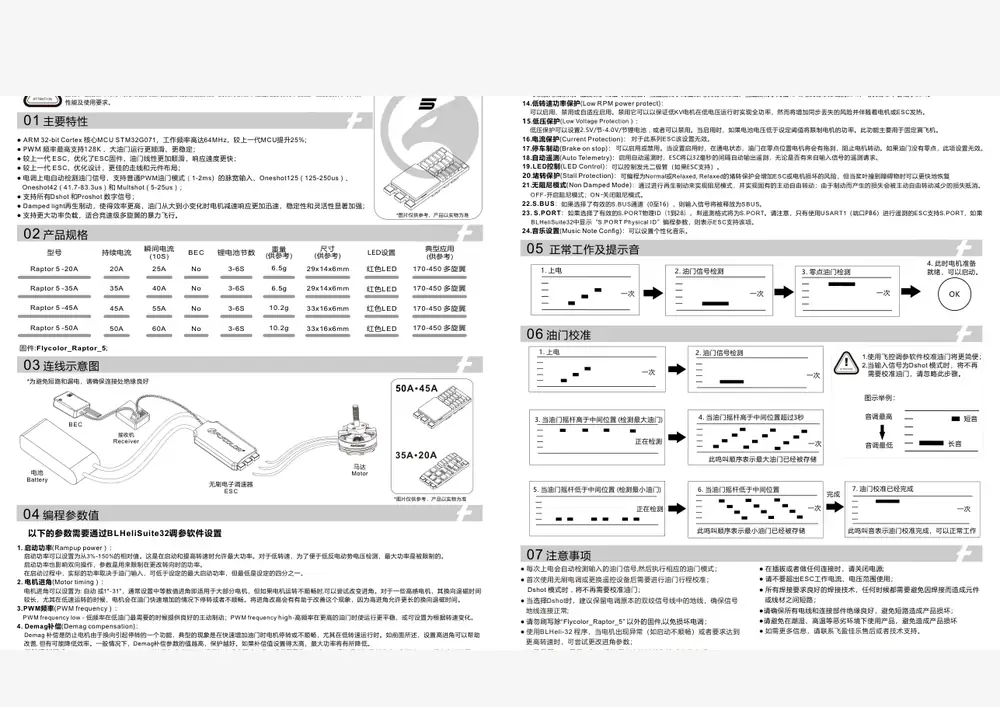
EN edition · 2 page(s)
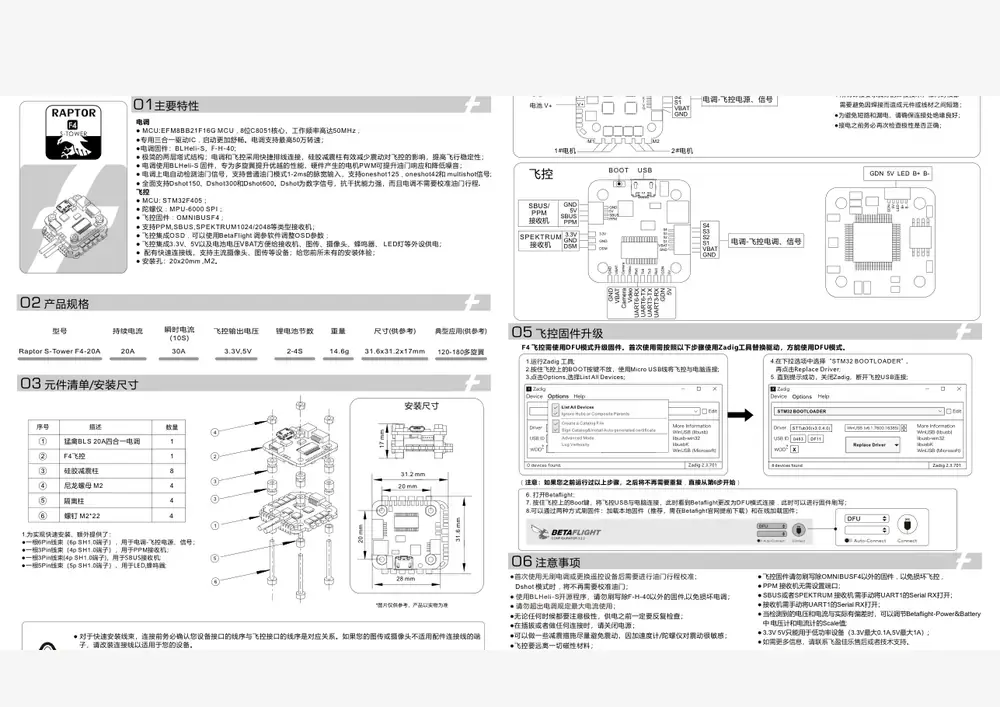
EN edition · 2 page(s)
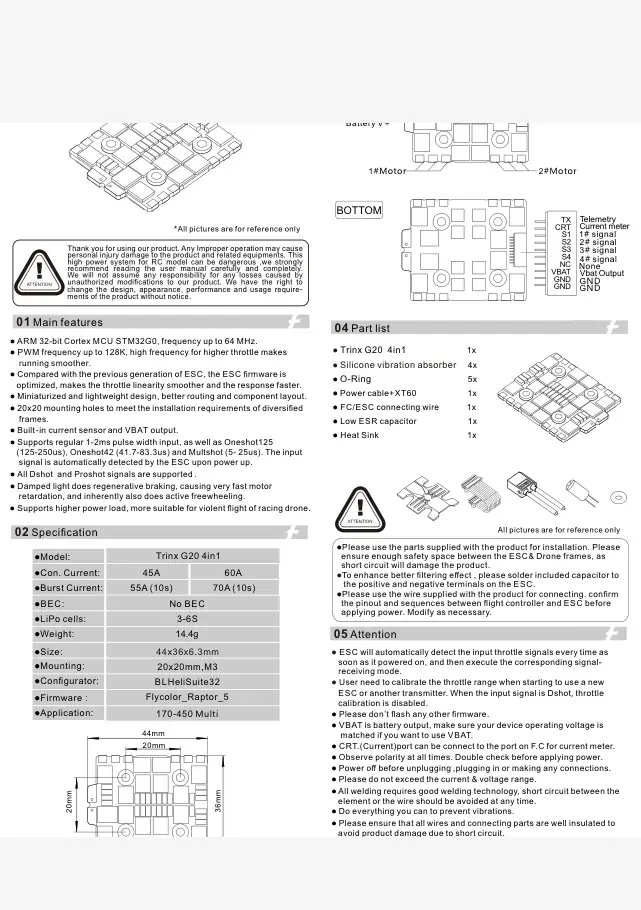
EN edition · 1 page(s)
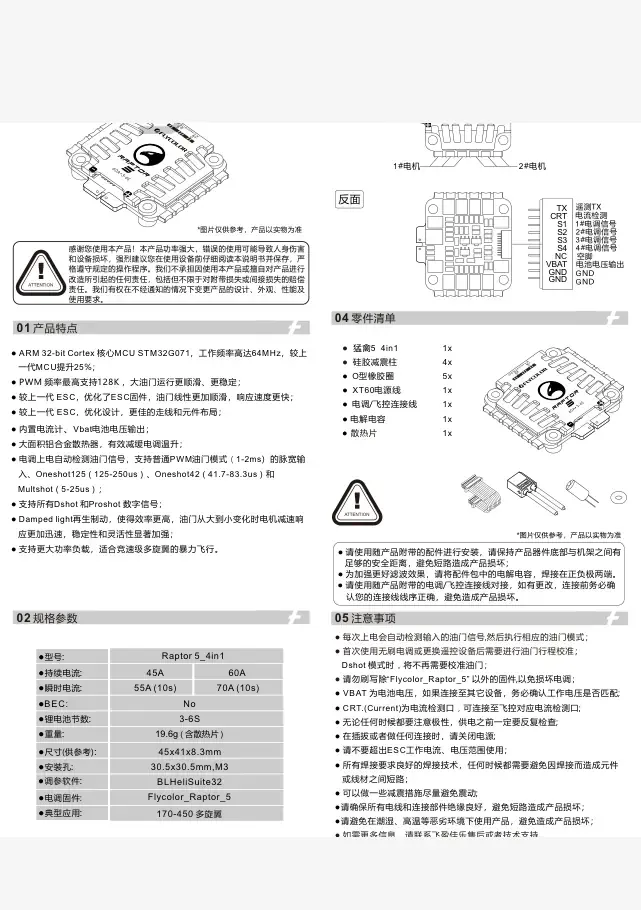
EN edition · 2 page(s)
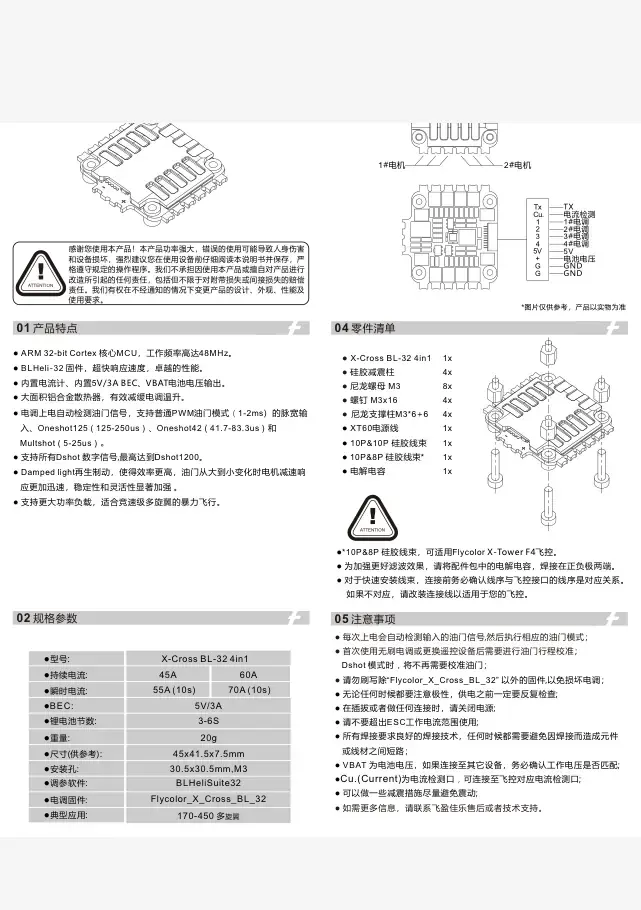
EN edition · 2 page(s)
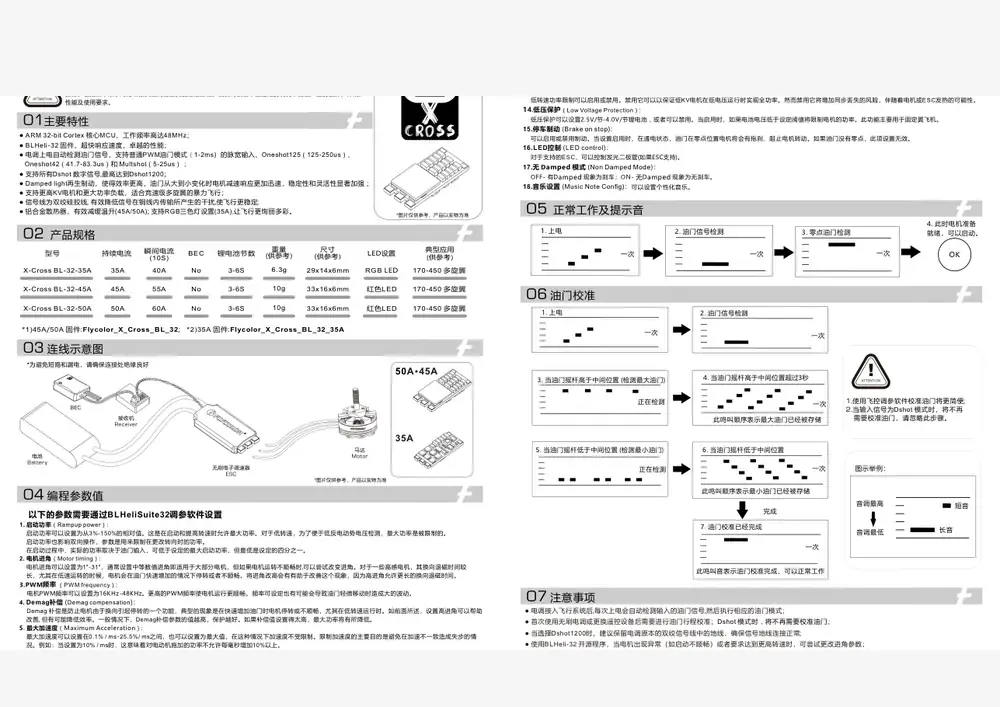
EN edition · 2 page(s)
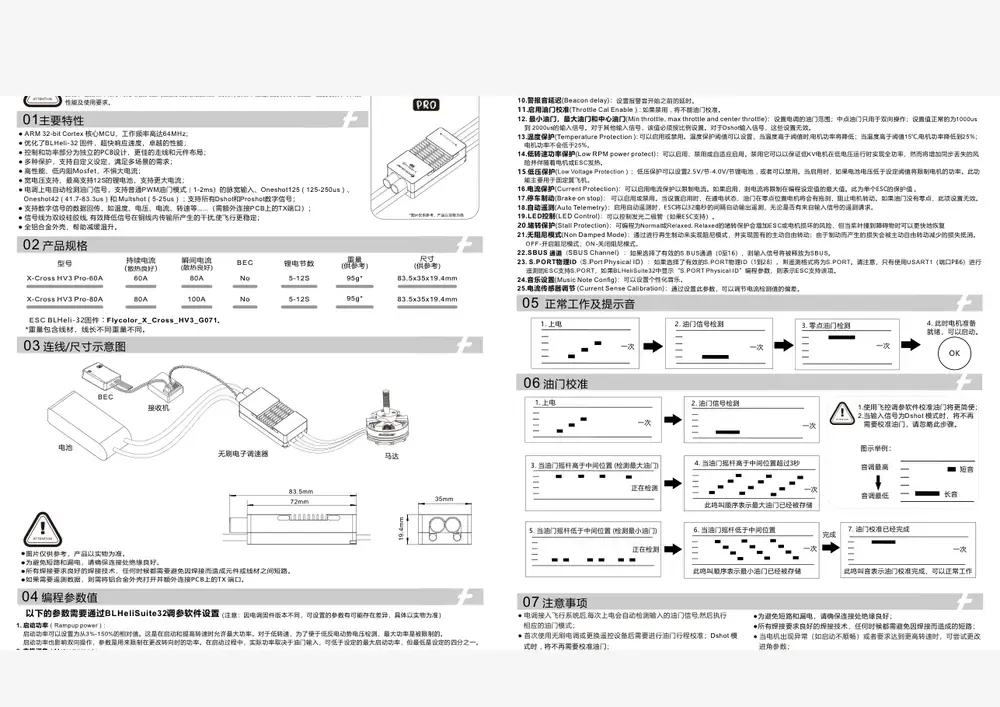
EN edition · 2 page(s)
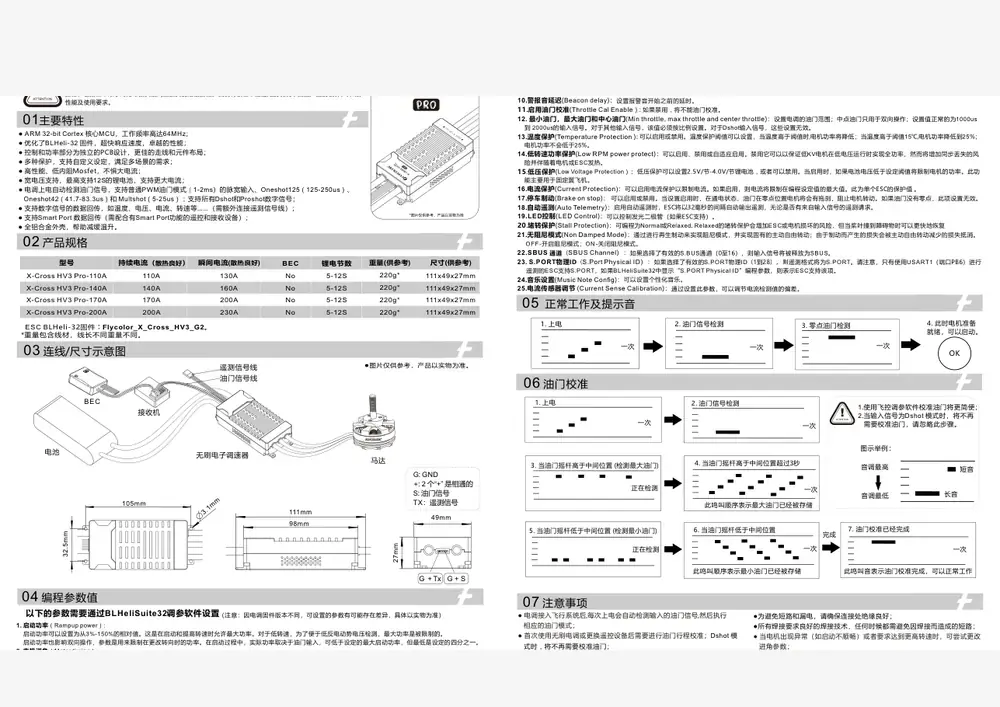
EN edition · 2 page(s)
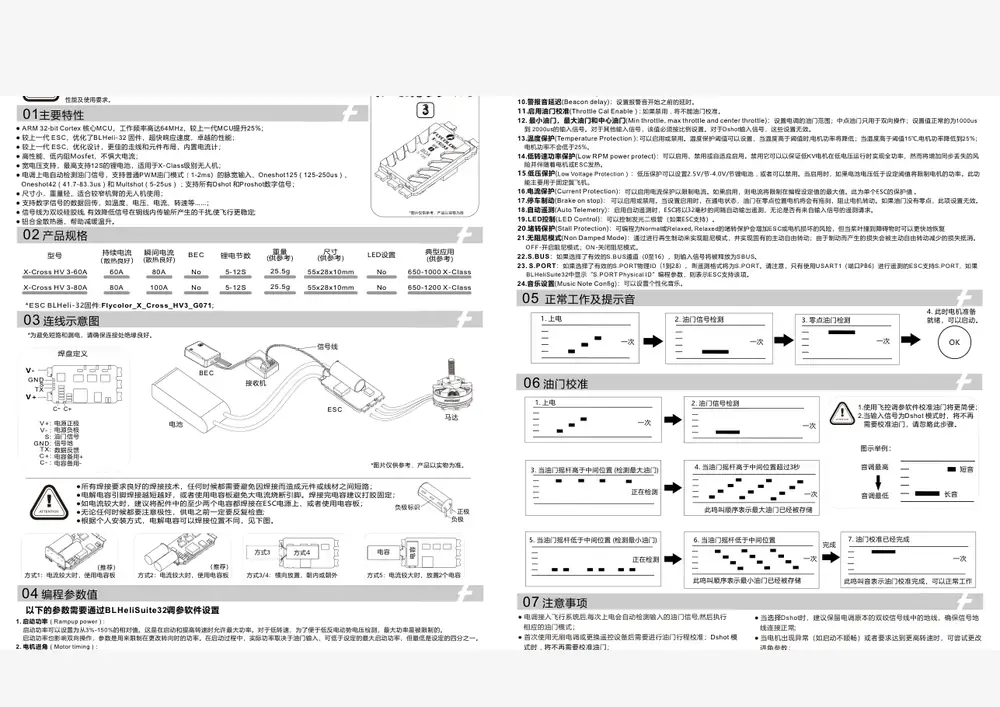
EN edition · 2 page(s)
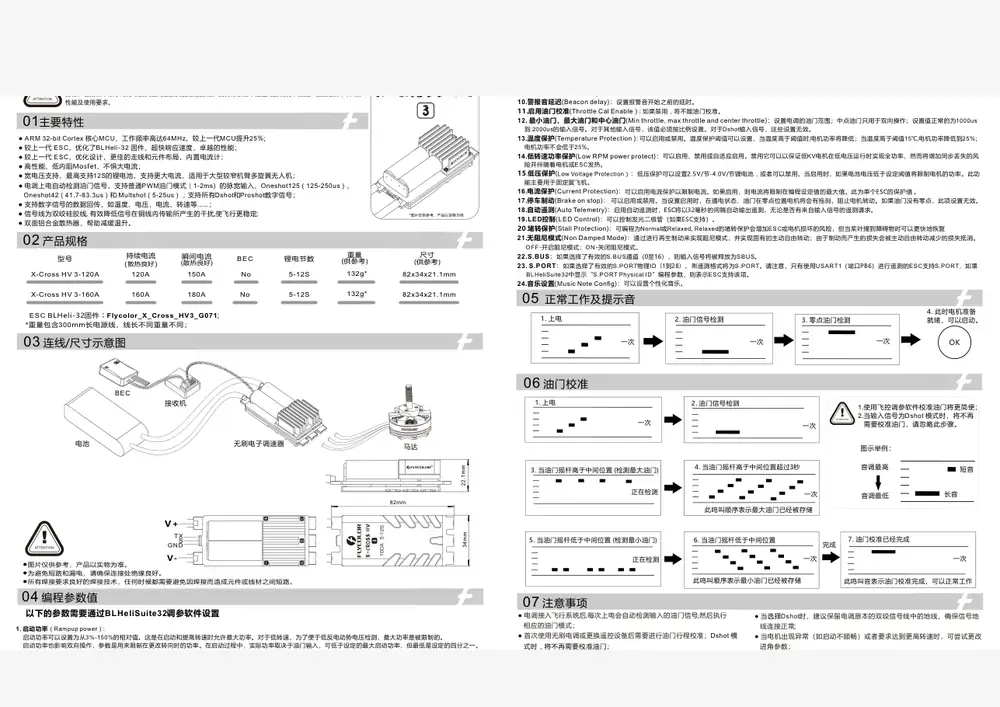
EN edition · 2 page(s)
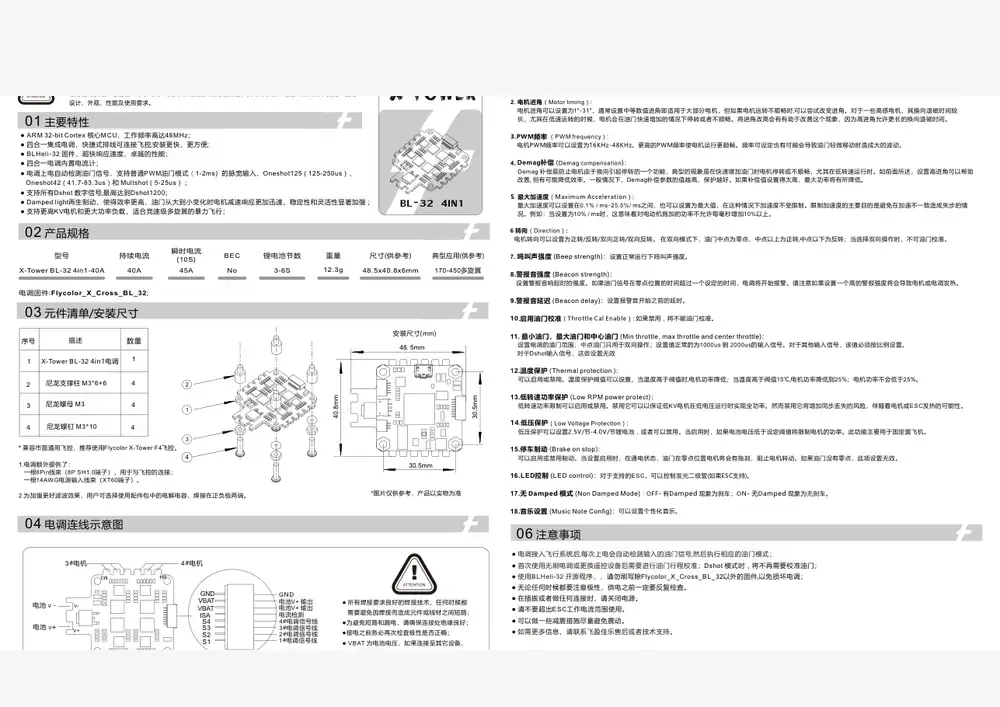
EN edition · 2 page(s)
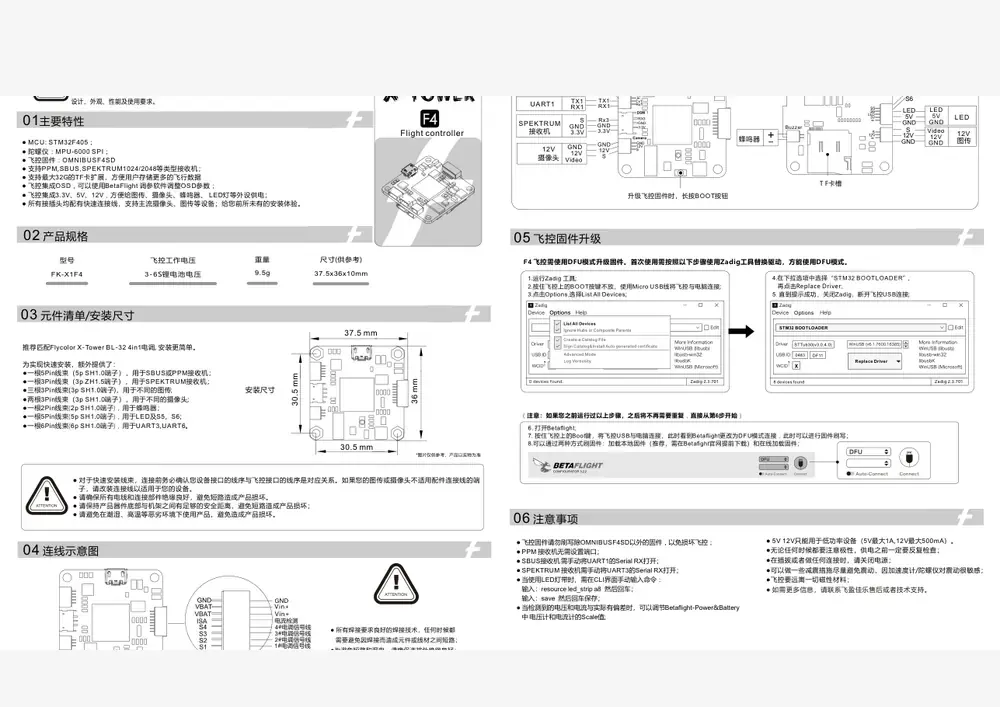
EN edition · 2 page(s)
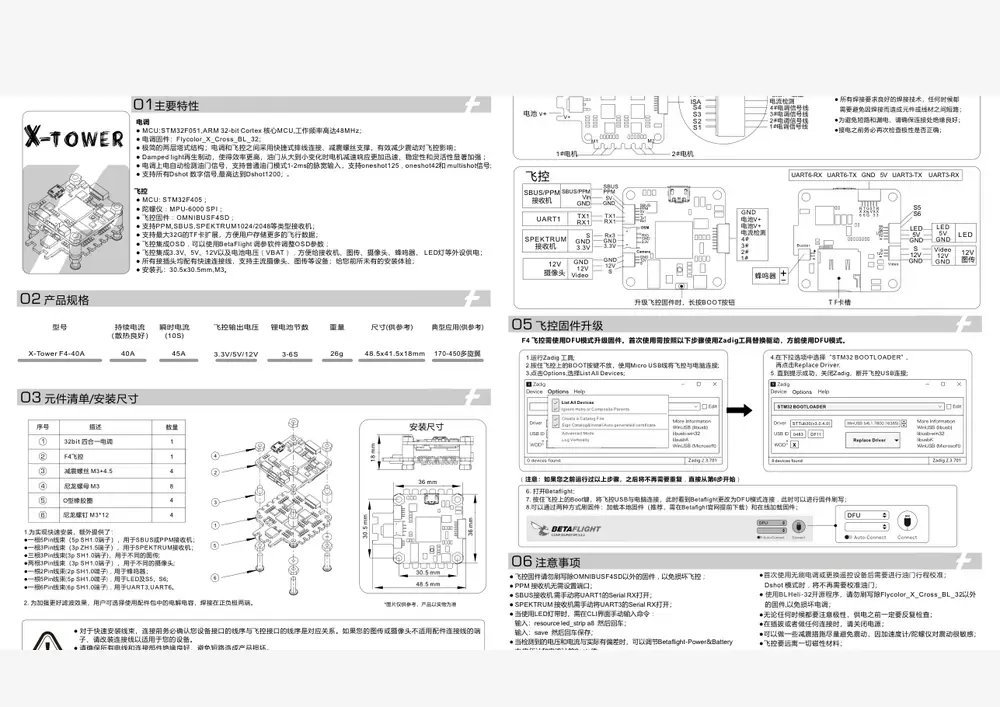
EN edition · 2 page(s)
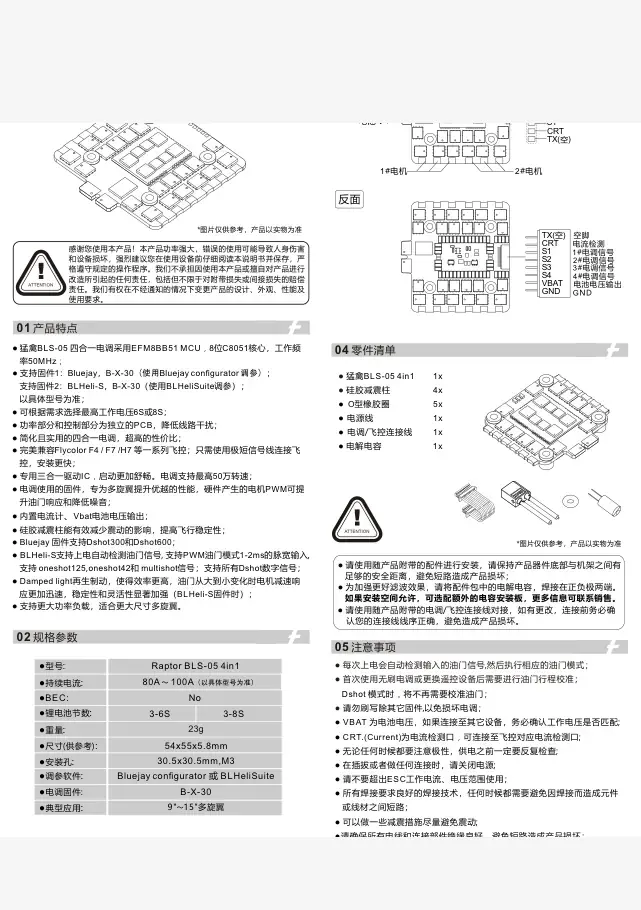
CN edition · 2 page(s)
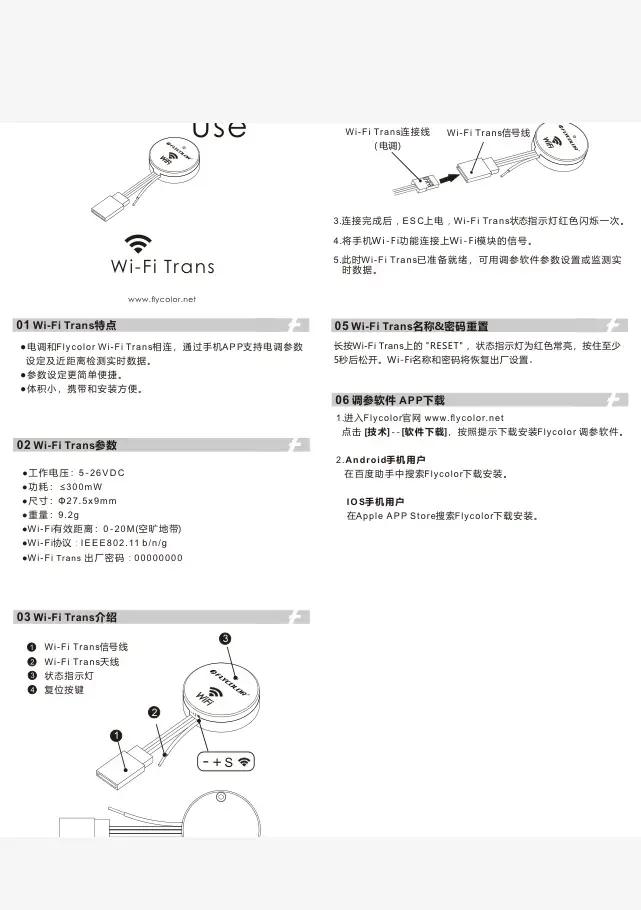
CN edition · 2 page(s)
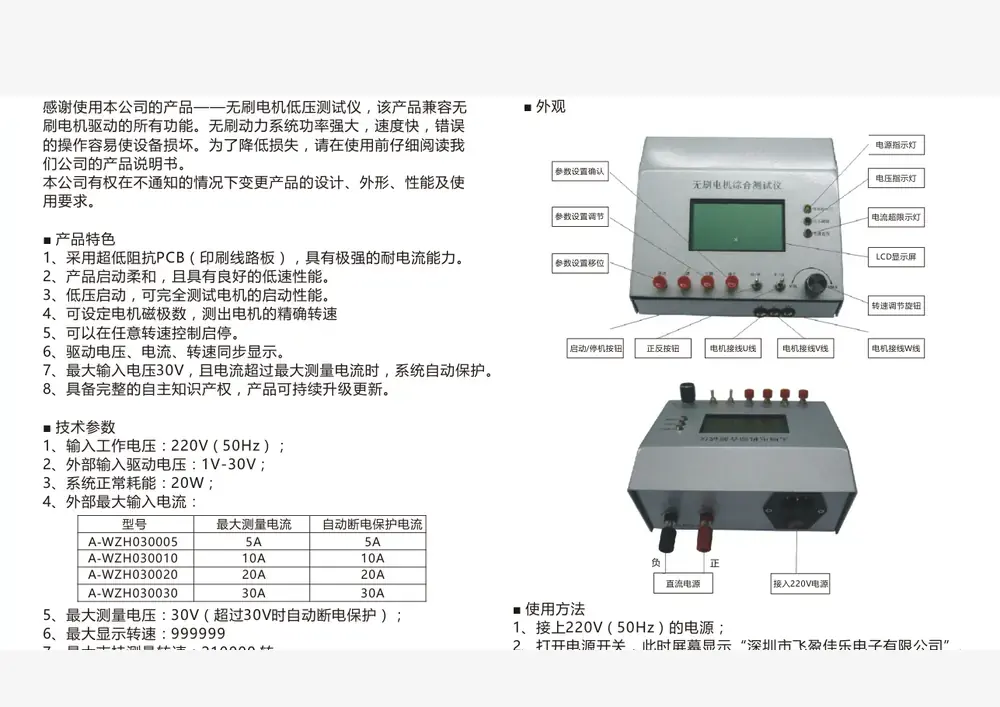
CN edition · 2 page(s)
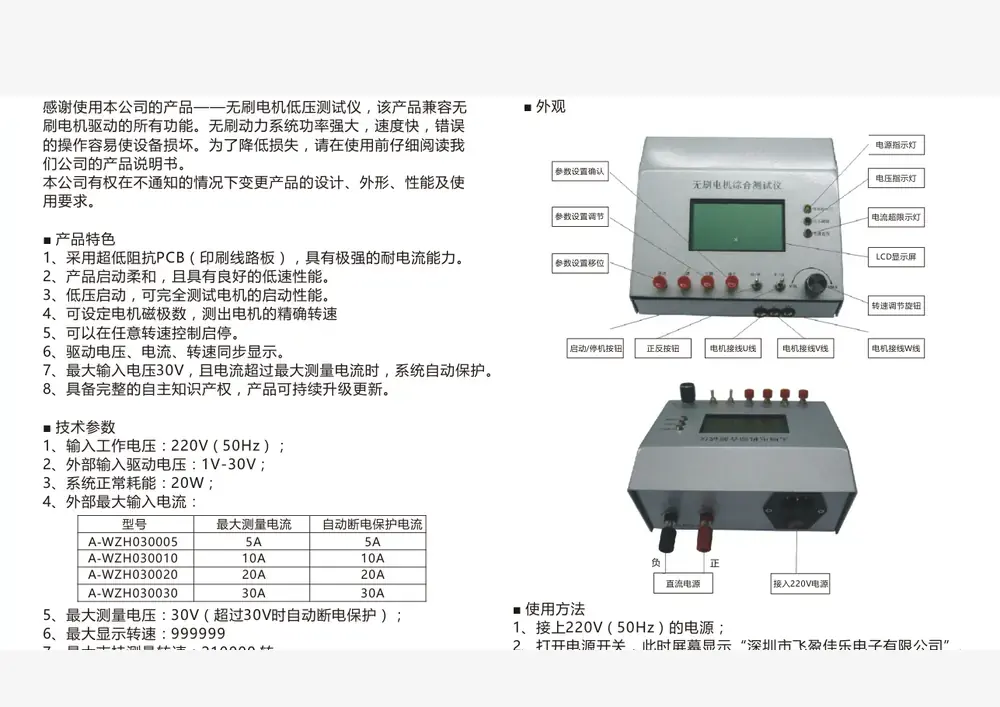
EN edition · 2 page(s)
Individual datasheets are available on request for evaluation and OEM/ODM projects.
A datasheet is a marketing surface as much as a technical one. These are the fields procurement and integration engineers should pull out of any ESC or power-module PDF before it enters a BOM, and the seven failures that consistently trace back to a document that was read but not verified.
Most of a datasheet is not decision-relevant. From the ESC and power-module documents in this library, four families of fields carry almost all of the engineering risk. Pull these into a comparison sheet, not into a folder.
| Document section | Field to extract | Why it decides the BOM line | Typical failure if skipped |
|---|---|---|---|
| Electrical ratings | Continuous current at quoted airflow | Datasheet headline current is usually the burst figure. Continuous rating assumes 25 °C ambient and a stated airflow that an enclosed airframe does not provide. | ESC overheats at 60–70% of the advertised number; thermal shutdown in flight, not on the bench |
| Electrical ratings | Peak vs continuous, with duration | "100 A" with no duration and no duty cycle is unusable for propulsion sizing; a 100 A / 10 s peak and a 100 A continuous part are different products at different prices. | Motors selected against peak rating; current limit trips on the first aggressive climb |
| Input range | Cell count range and absolute max voltage | Upper cell limit is a hard ceiling on transients, not on nominal pack voltage. A 6S-rated ESC on a fresh 6S pack sees 25.2 V plus switching overshoot. | Failures clustered on freshly charged packs; intermittent, hard to reproduce on the bench |
| Control interface | Protocol, firmware revision, config tool version | Protocol support is revision-specific. A datasheet referencing a config tool version is telling you which firmware generation the ratings were characterised on. | Telemetry fields silently absent; parameters written by a newer tool rejected or reset |
| Thermal | Derating curve vs ambient temperature | The curve is the real rating table. A part rated 80 A at 25 °C is frequently a 55–60 A part at 60 °C internal airframe temperature. | Sizing held constant across a product line with different enclosure ventilation |
| Mechanical | Mounting pattern, mass with and without leads | Mass-with-leads is what the airframe mass budget needs; bare-board mass understates the installed part by 15–30% at these current levels. | CG shift discovered at final assembly; ballast added to recover it |
| Environmental | Storage and operating temperature limits | Defines the shipping and field-storage envelope as well as the flight envelope, including the low-temperature cut-off. | Units stored in an unheated depot outside spec; failure rate rises over the first winter |
Documentation completeness moves lead time more than it should. These bands are what the network quotes for ESC and power-module supply in the demonstrated configurations; treat them as planning bands to be confirmed at RFQ, not as catalogue prices.
| Documentation state at enquiry | Indicative unit band (USD) | Quoted lead time | Effect on tooling / NRE |
|---|---|---|---|
| Off-the-shelf part, complete PDF (EN), published firmware | 18 – 95 | 3 – 6 weeks | No NRE. Test report issued per batch against the datasheet table |
| Off-the-shelf part, CN-edition PDF only | 18 – 95 | 4 – 7 weeks | No NRE, but add 1–2 weeks for an English rating-table confirmation before PO |
| Off-the-shelf part requiring parameter pre-configuration | 35 – 140 | 5 – 9 weeks | Low NRE — a configuration fixture amortised across the first 50–100 units |
| Custom current rating or connector on an existing board | 70 – 260 | 8 – 14 weeks | Tooling amortised over the first 200–500 units; re-verification per build |
| Custom board, documentation written from scratch | 180 – 900+ | 14 – 24 weeks | Full NRE. Requires a jointly signed requirement spec before layout starts |
The deliverable of a documentation review is not a library of PDFs. It is a one-page comparison sheet with, per candidate part: continuous and peak current with the derating applied at your internal airframe temperature, cell range with the absolute ceiling, protocol and firmware revision, mass with leads, and the two or three accessories that must appear on the packing list. Parts that cannot fill every row are not yet ready for a BOM line, regardless of what the headline rating says.
Where the source documents leave a field uncharacterised, request the missing data before quotation rather than accepting a nominal figure. Requesting it after the design freeze converts a documentation gap into a schedule risk that no supplier can absorb. If documentation completeness is the deciding factor on a programme, the same review discipline applies to the wider ESC and power-system sourcing brief, and to the component-level RF and communication interface documentation that has to line up with the power bus.