Control
Flight controller, sensors, navigation and firmware alignment.
Source, configure and integrate the control, power, propulsion and platform layers your aircraft needs, with professional tuning and testing support built into the path.
One engineering conversation connects the flight-control stack, powertrain, structure, payload interfaces and complete-aircraft configuration, so interface discussions stay connected across the build.
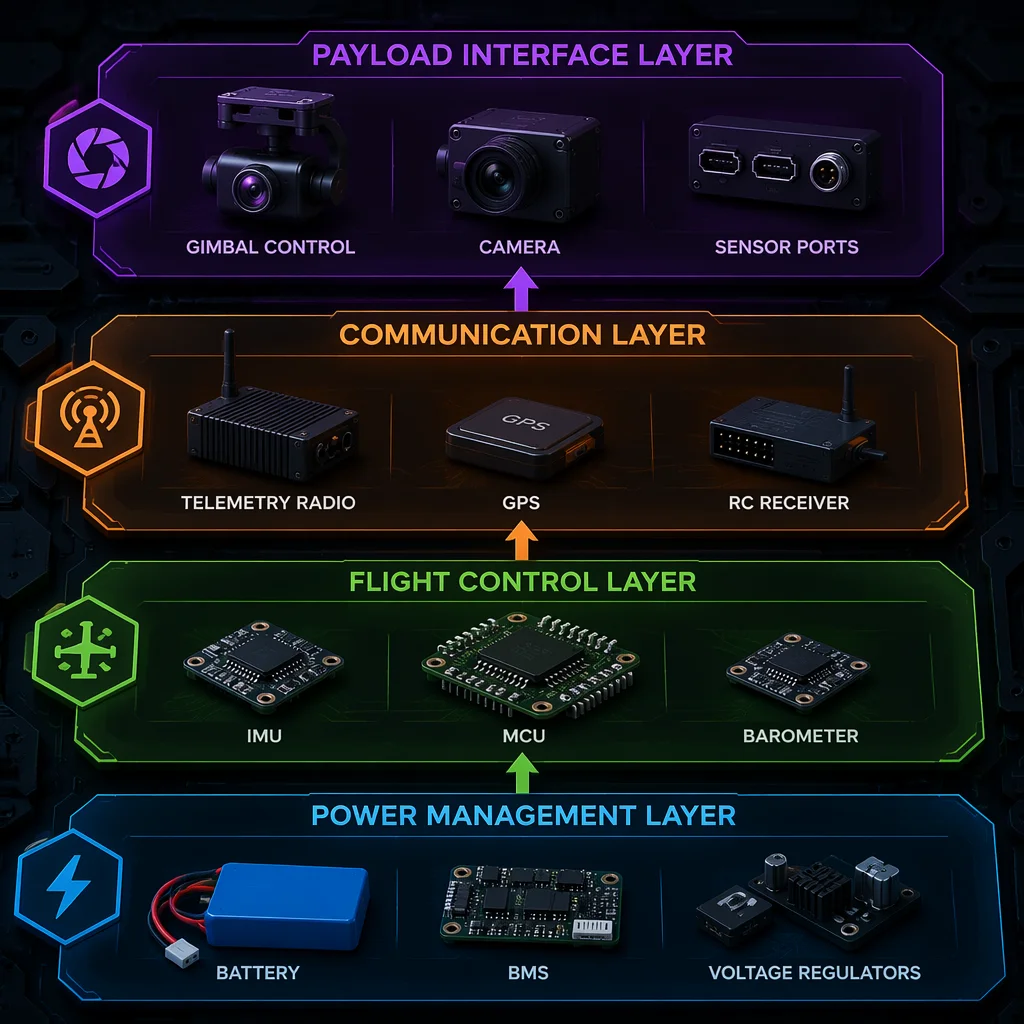
How We ConfigureA drone is not a component list. It is a connected control, energy and mechanical system. We organize sourcing around the interfaces between those layers.
Flight controller, sensors, navigation and firmware alignment.
ESC, battery, distribution and electrical interface planning.
Motor, propeller, structure and mechanical fit.
Communication, payload, application context and complete platform.
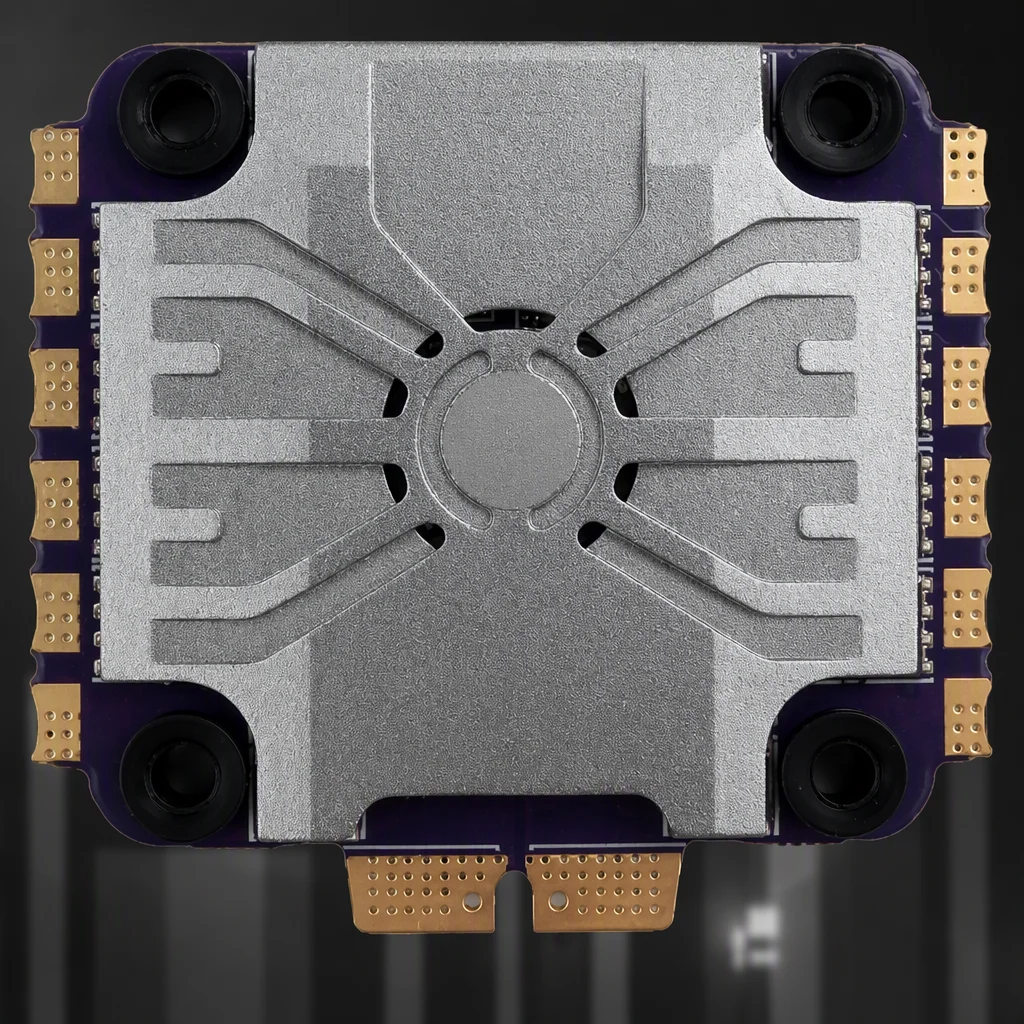
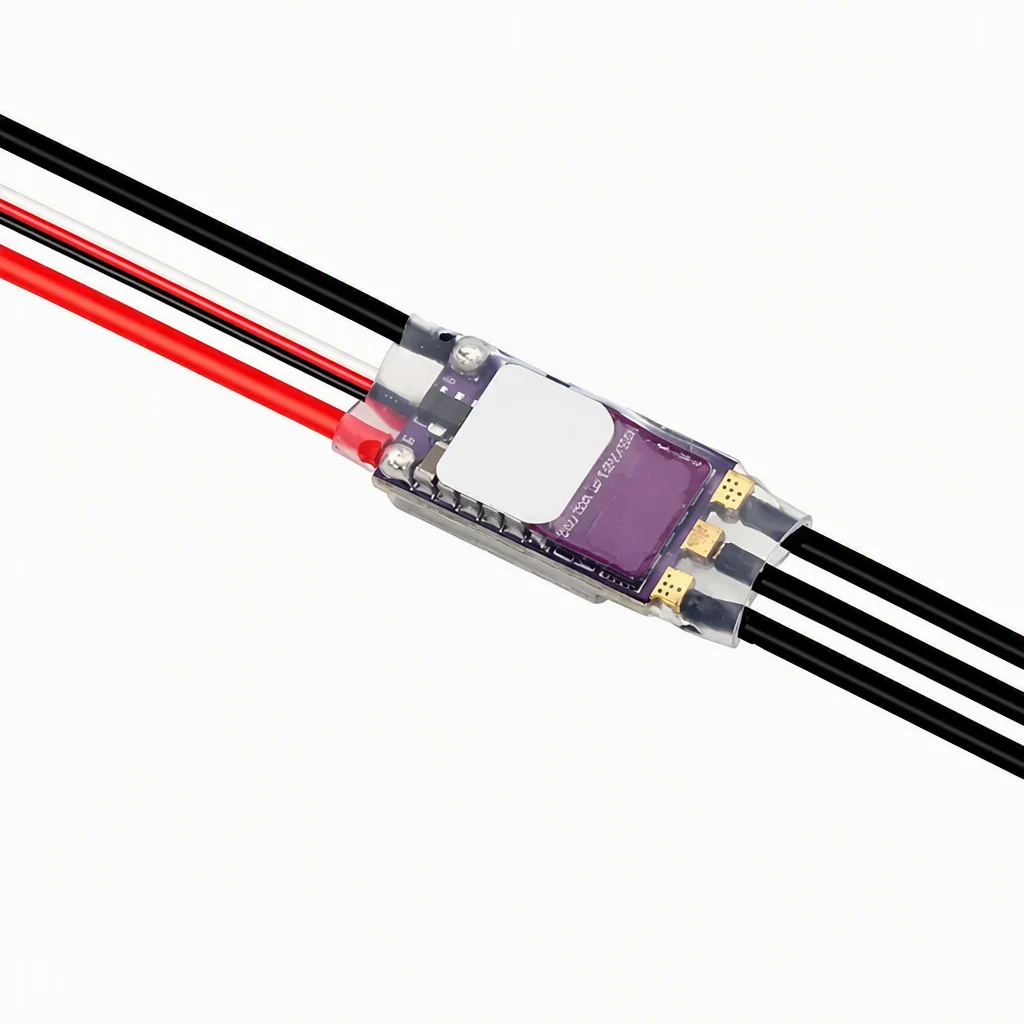
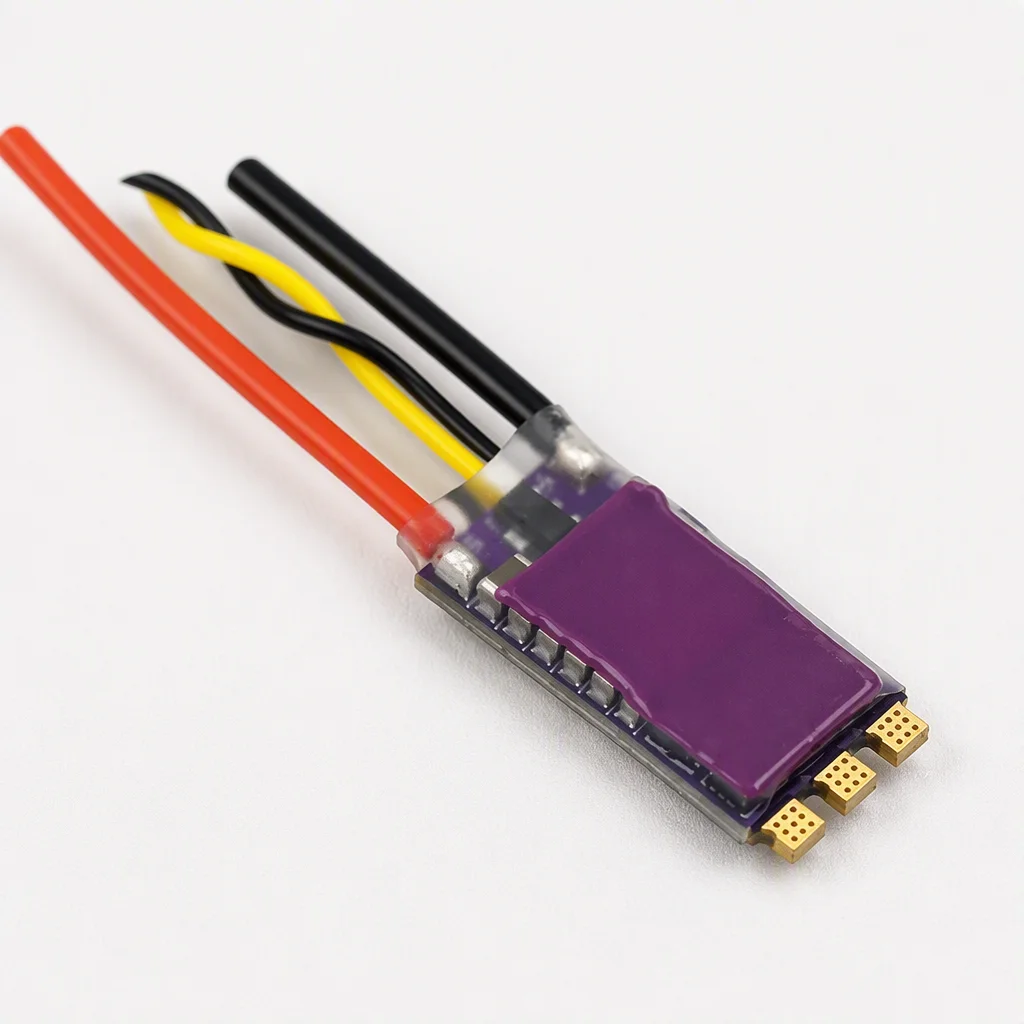
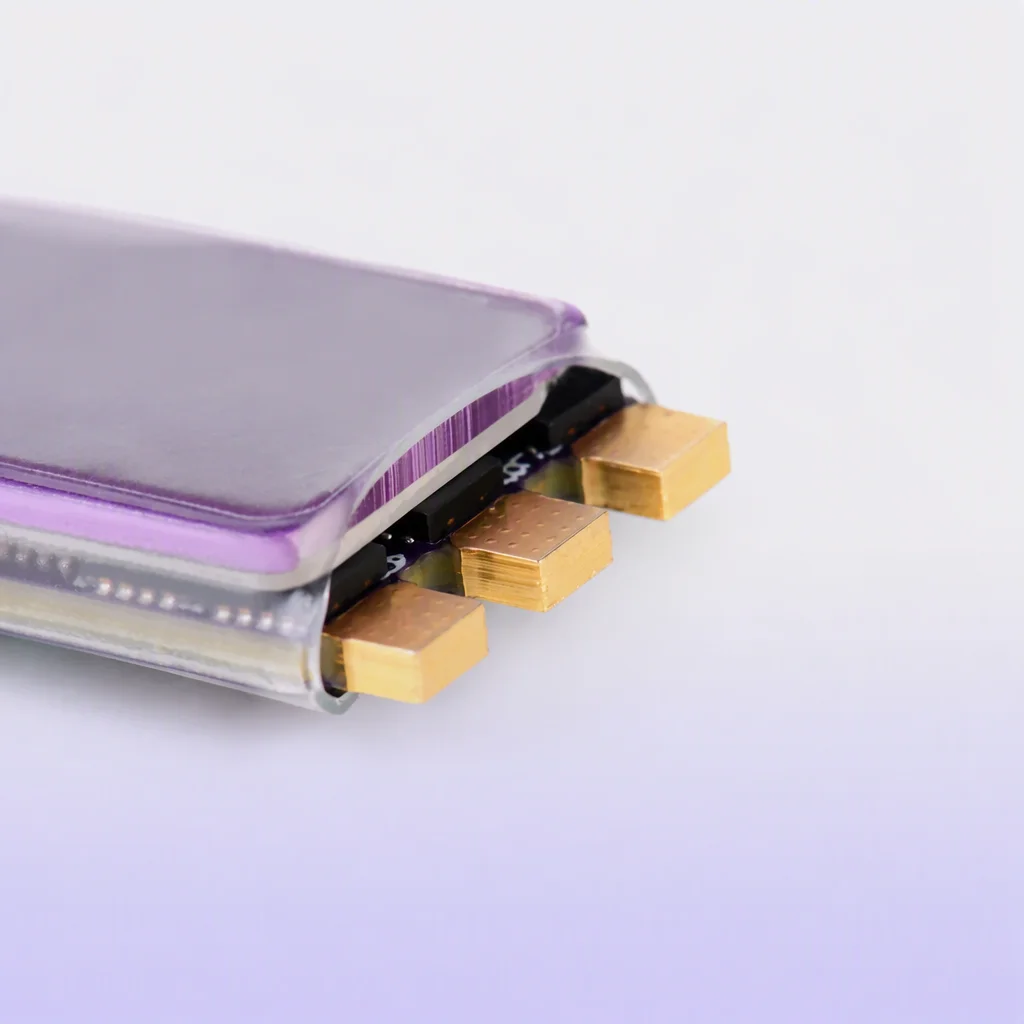
Flight controllers and ESCs shape how the aircraft senses, decides and turns commands into thrust. They are central to a reliable component architecture.
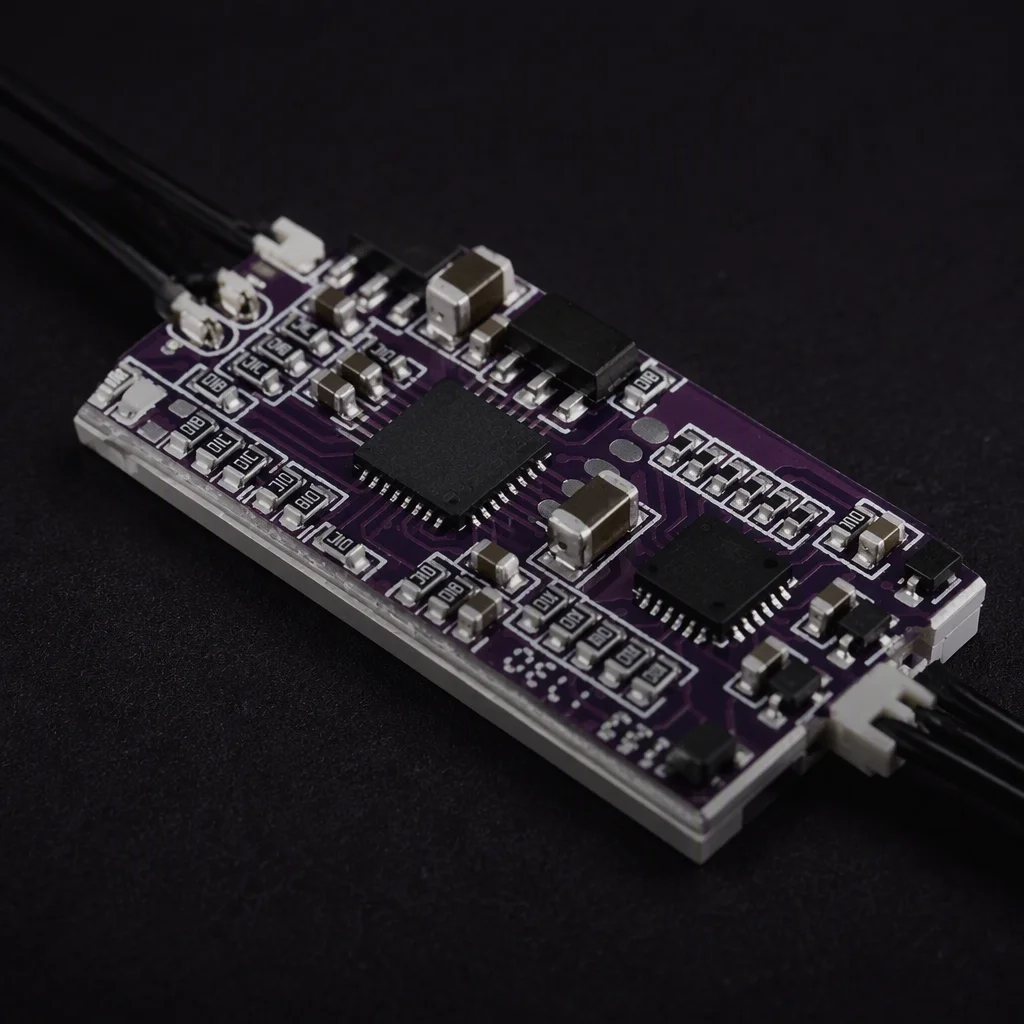
Review sensor, navigation, communication and firmware requirements around the aircraft mission, not as an isolated board choice.
Explore flight control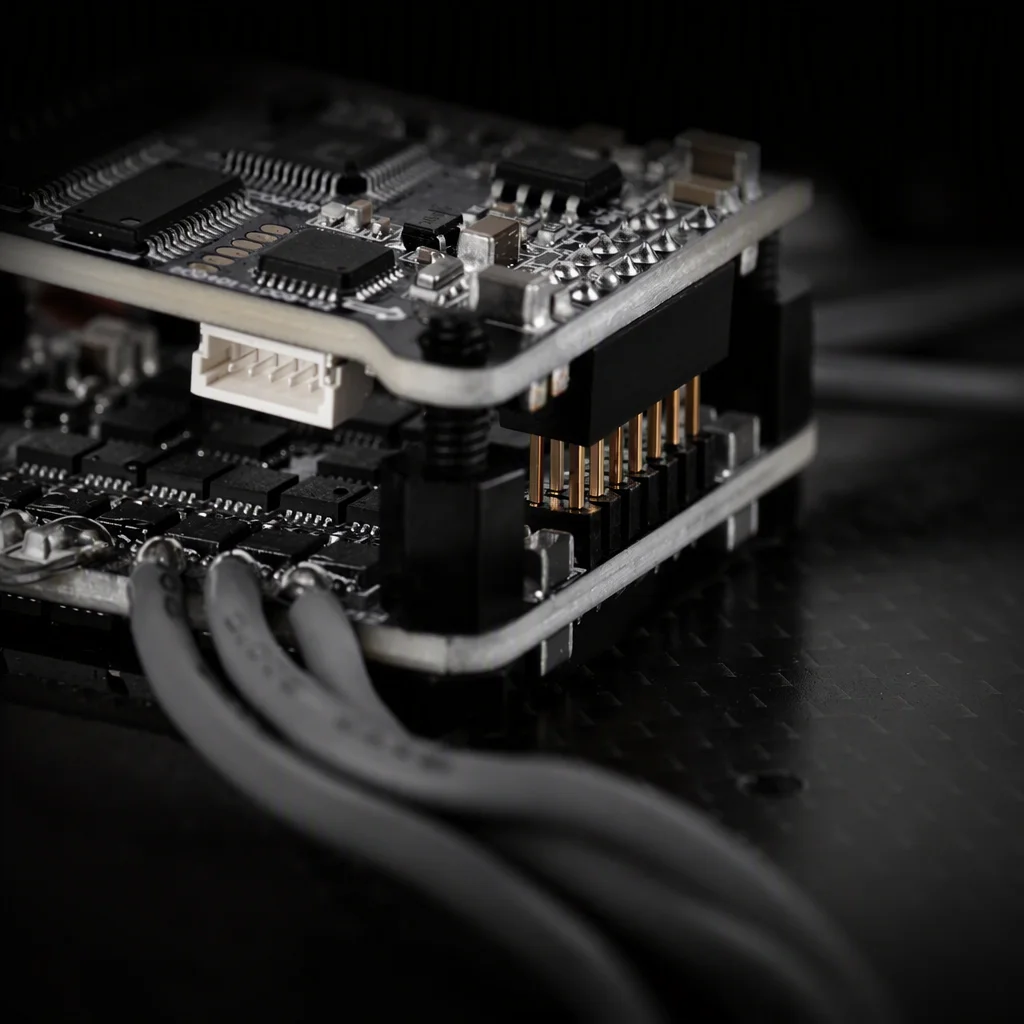
Coordinate voltage architecture, current path, motor behavior, thermal considerations and control protocol as one propulsion decision.
Explore ESC & powerStart with a single component family, combine matched subsystems or discuss a complete UAV configuration.
Controllers, sensors, navigation and interface planning.
Speed control, power distribution, batteries and wiring.
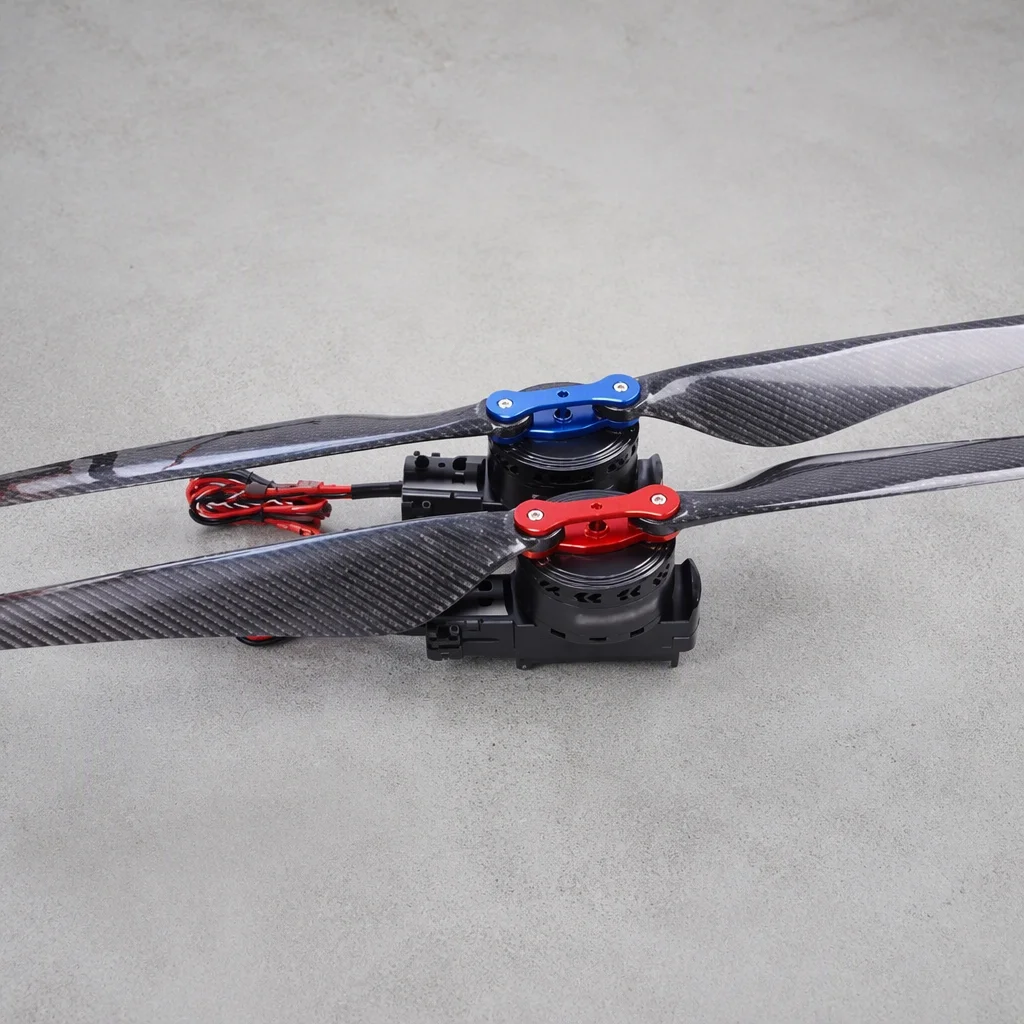
Motors, propellers and powertrain matching.
Structures, mounts, protection and complete platforms.
Radio, telemetry, positioning and data-link modules.
Interfaces, cameras, gimbals, accessories and configured sets.
Customization is organized as a sequence of decisions, so hardware, interfaces and validation stay connected.
Mission, payload, environment and target cost.
Control, power, structure and communication stack.
Components, firmware, interfaces and kit depth.
Matched subsystem or complete-aircraft assembly path.
Control response, propulsion behavior and parameters.
Bench checks and flight-readiness review.
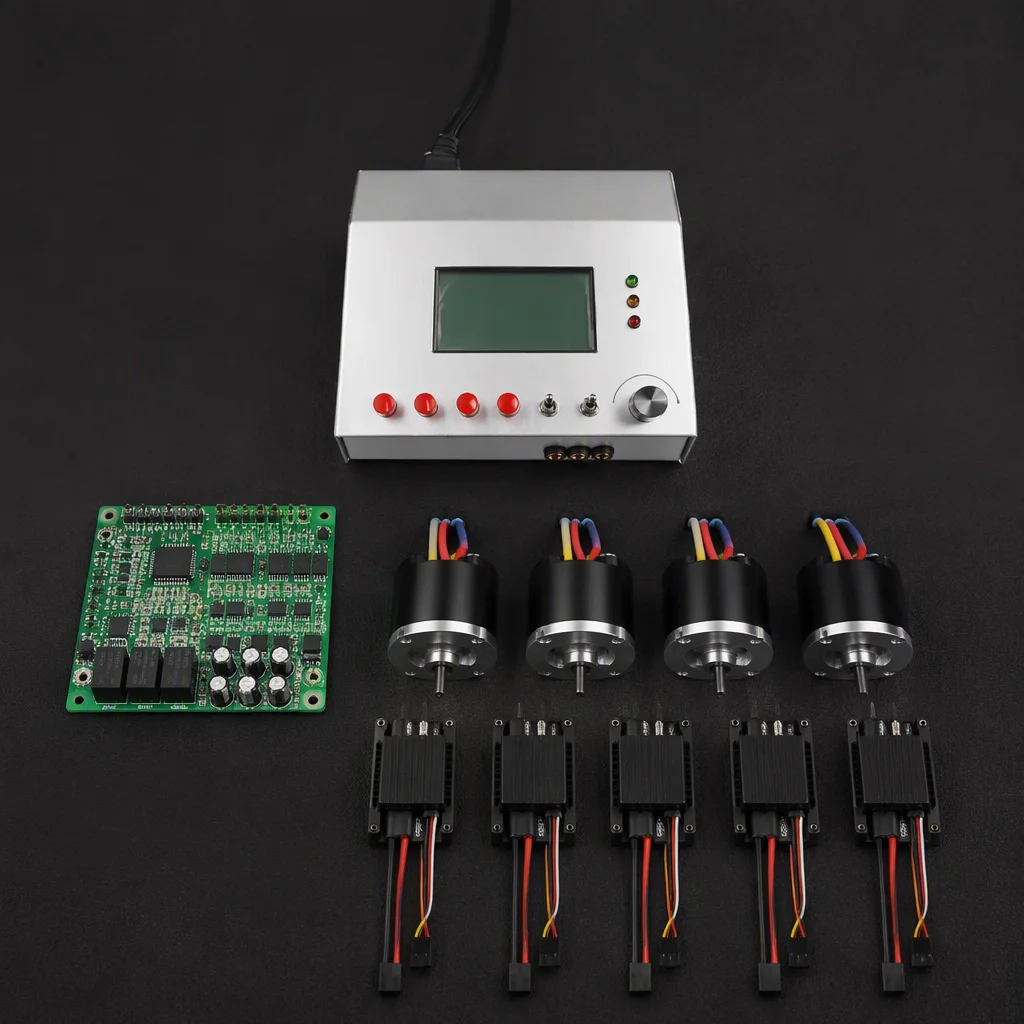
Professional support can extend beyond sourcing to interface checks, parameter review, integration troubleshooting and flight-readiness preparation.
Four anchor documents from a controlled manufacturing network, the complete 18-document wall is on the Quality page, and every family datasheet is open in the Documentation Library.

Issued to Shenzhen Flycolor Electronic Co., Ltd.
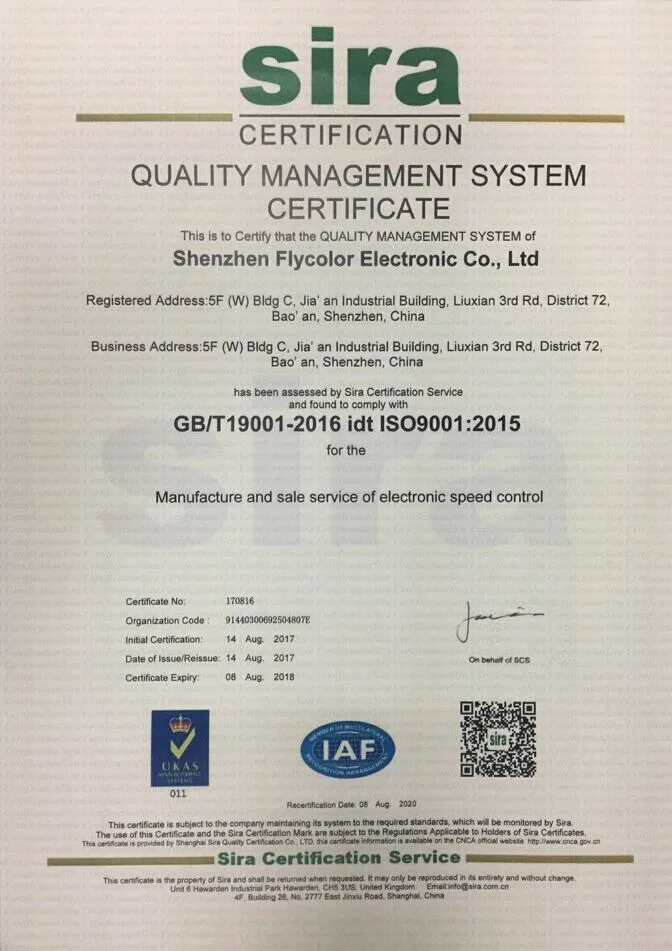
Issued to Shenzhen Flycolor Electronic Co., Ltd.
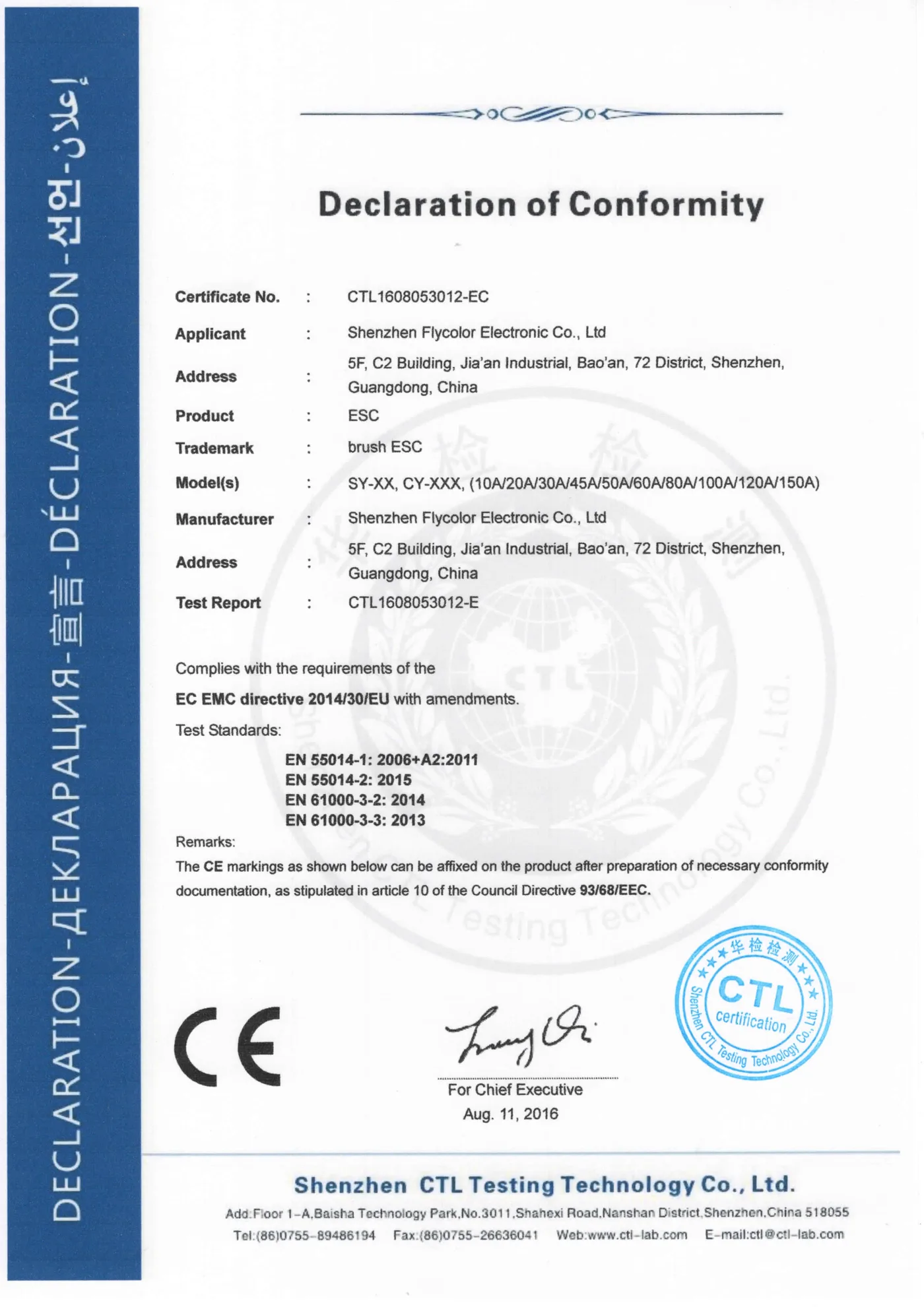
Issued to Shenzhen Flycolor Electronic Co., Ltd.
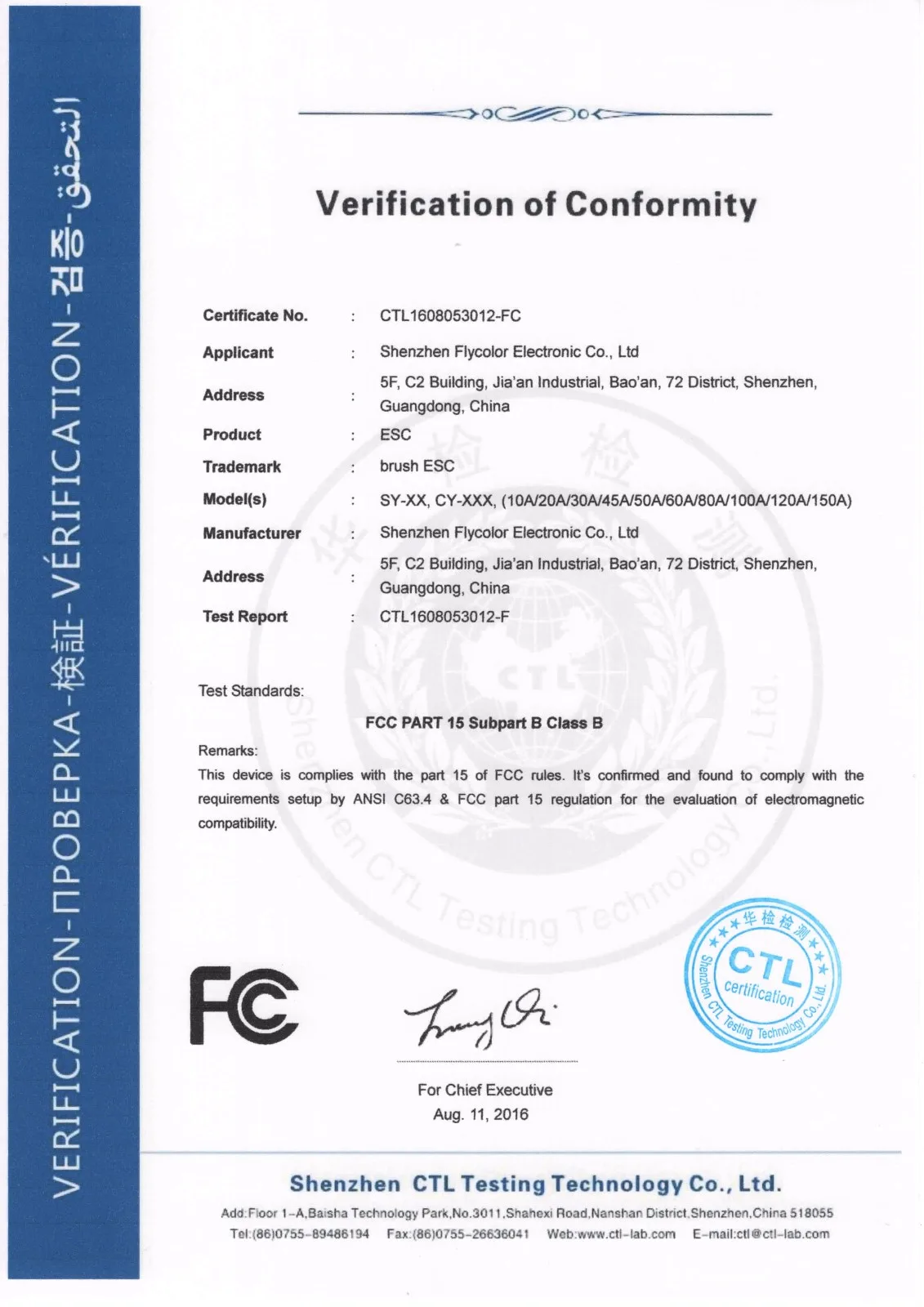
Issued to Shenzhen Flycolor Electronic Co., Ltd.
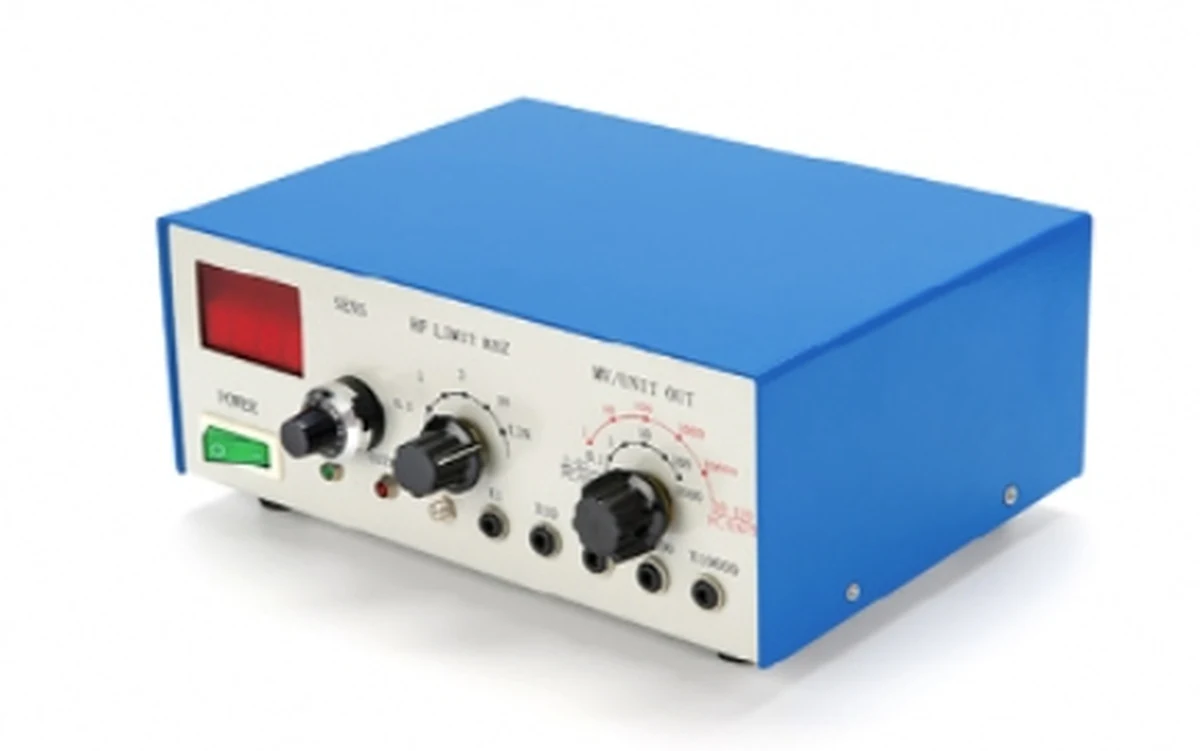
The motor tester at the bench where incoming units are checked before they reach the line.
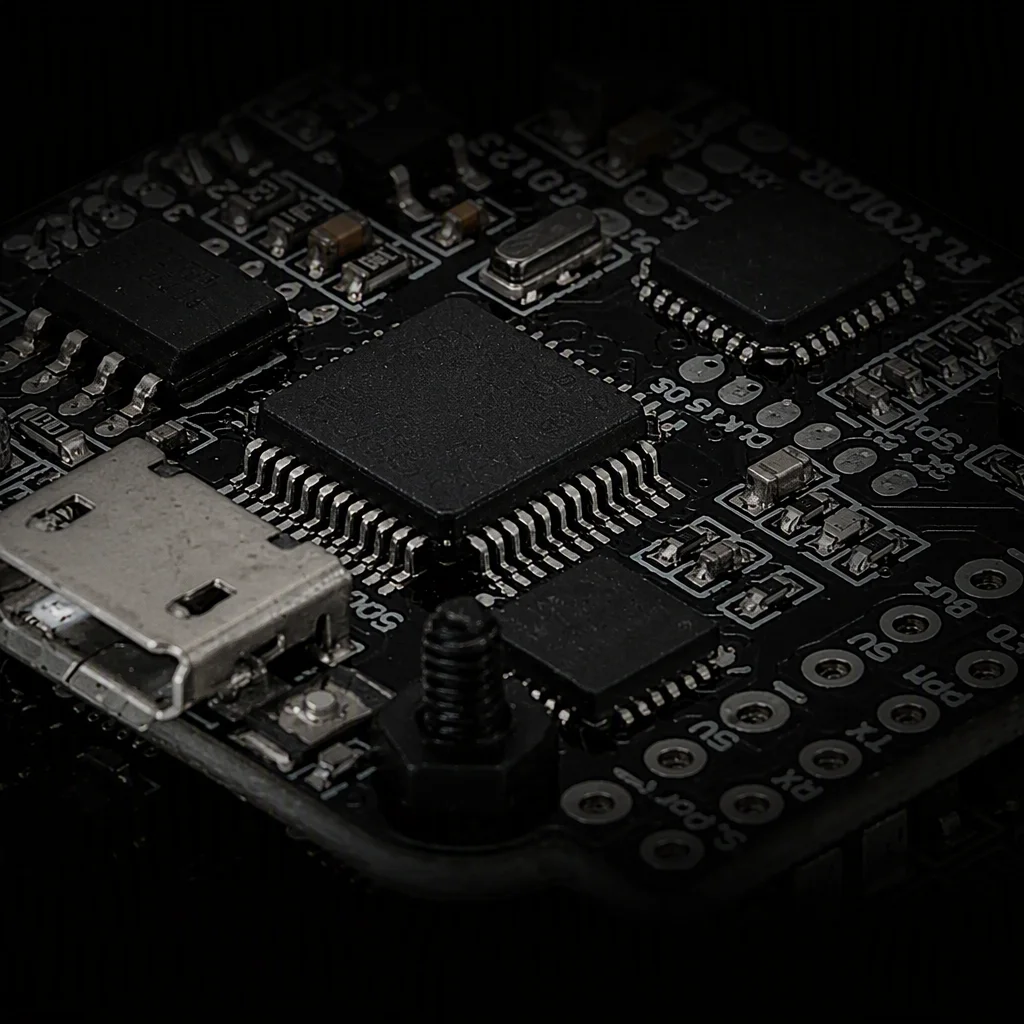
A populated ESC power stage photographed at the inspection station. The board we ship is the board we check.
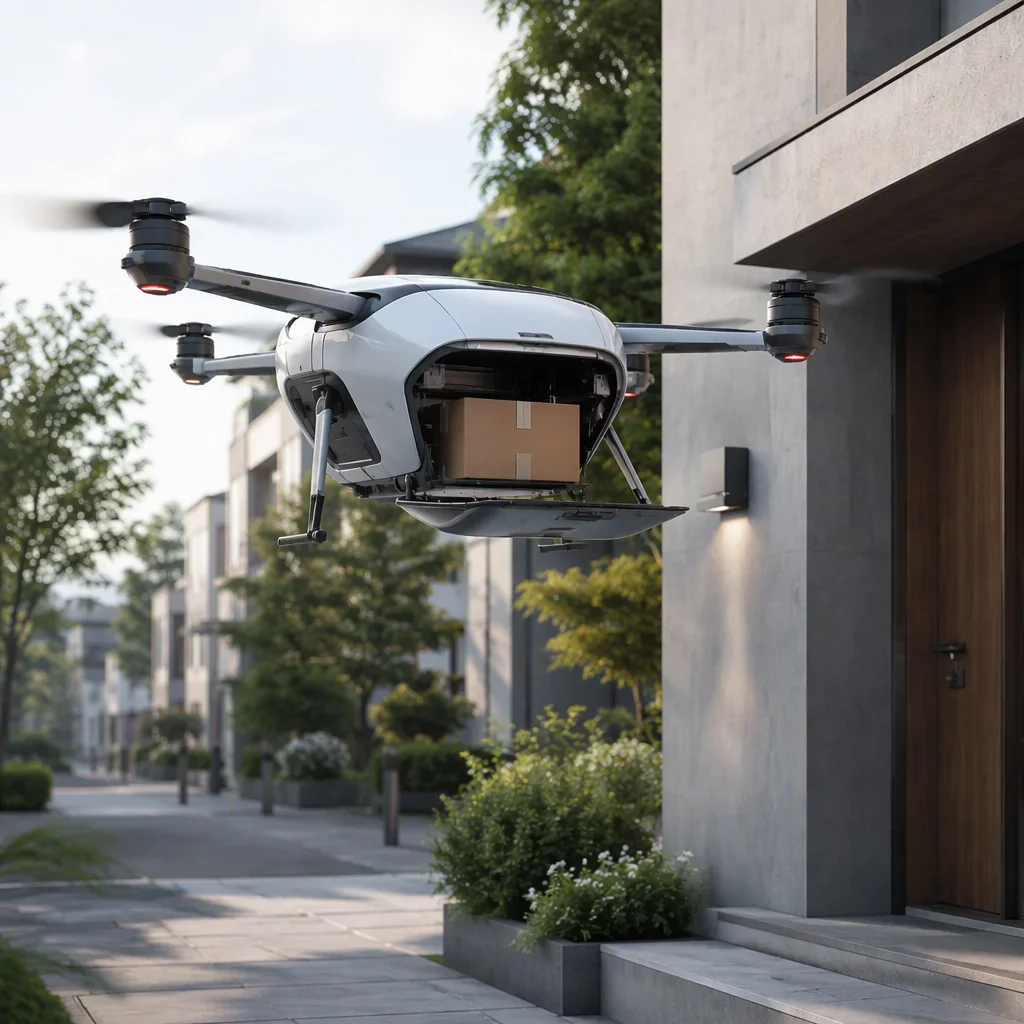
Application-specific UAVs are supporting new workflows in inspection, mapping, logistics, agriculture and research. The component architecture has to begin with the mission.
Share your aircraft type, payload, operating environment, interface needs and target build depth. Start with a component list or a complete concept.
The site describes the component-to-system path, but buyers still arrive asking what the path costs. The bands below are what we see across the platforms we quote, stated as component-and-assembly build cost rather than as a resale price. They cover the airframe size and payload class most industrial programmes fall into.
| Build scope | Typical band (USD) | What moves it |
|---|---|---|
| Single component family (one layer only) | 900 – 4,500 | Layer chosen, class, quantity, whether firmware tuning is included |
| Matched control + power stack | 3,500 – 12,000 | FC ecosystem, ESC current class, harness customisation, protocol integration |
| Propulsion set matched to weight class | 2,200 – 9,000 | Motor size, propeller count, thrust-to-weight target, efficiency versus peak thrust |
| Complete airframe with landing gear | 6,000 – 22,000 | Wheelbase, carbon ply schedule, machined interface count, test article |
| Full integrated aircraft, ready to tune | 18,000 – 75,000 | Payload class, endurance target, comms range, integration and bench time |
| Tuning, calibration and flight-readiness review | 1,500 – 6,000 | Number of flight modes, failsafe coverage, whether witnessing is required |
The line most often mis-projected by first-time buyers is integration and bench time on the full-aircraft row. Sourcing the parts is not the same as proving the interfaces. A complete build carries wiring, protocol, thermal and firmware-parameter work that never appears on a component quotation, and it is usually the reason a build finishes above the sum of its line items.
A build specification that does not draw this line explicitly gets read differently by every supplier who quotes it. This is the split we hold to across a component-to-system engagement.
| Item | Supplier responsibility | Operator responsibility |
|---|---|---|
| Interface definition | Declare voltage, current, protocol and mechanical fit for each layer boundary | Confirm the intended missions the interfaces must survive |
| Component conformity | Incoming inspection and per-unit records for every unit shipped | Verify on receipt before integration begins |
| Firmware parameter set | Provide a documented baseline and the parameter change log | Own the final set once the aircraft is in its own operating environment |
| Bench and flight-readiness test | Run the agreed bench checks and record results | Provide the flight-test environment and accept the airworthiness call |
| Configuration control | Freeze a build revision and trace every change | Maintain the revision after delivery during field repair |
| Regulatory compliance | Declare the standards the components are tested to | Own the aircraft operator certificate and airspace authorisation |
The line that causes the most dispute is firmware parameter ownership. Two teams can ship an identically specified aircraft, and the one that treats tuning ownership as a handoff rather than a shared settlement will spend the first weeks re-deriving parameters that were already documented.
Both reference architectures are published in full on our projects pages. The figures below are taken from those builds, not estimated for a brochure.
These two sit at opposite ends of the same decision: a payload whose current is intermittent, and a payload whose current is continuous. Reading your own mission against the nearer of the two is the fastest way to size the platform before the first quotation.
The items below convert the tables above into language you can attach directly to an enquiry, so the first response comes back specific rather than generic.
Buyers who arrive with these eight points answered typically get a matched architecture and a cost band in the first reply. Buyers who arrive with only a payload weight usually spend two or three exchanges establishing the same facts.