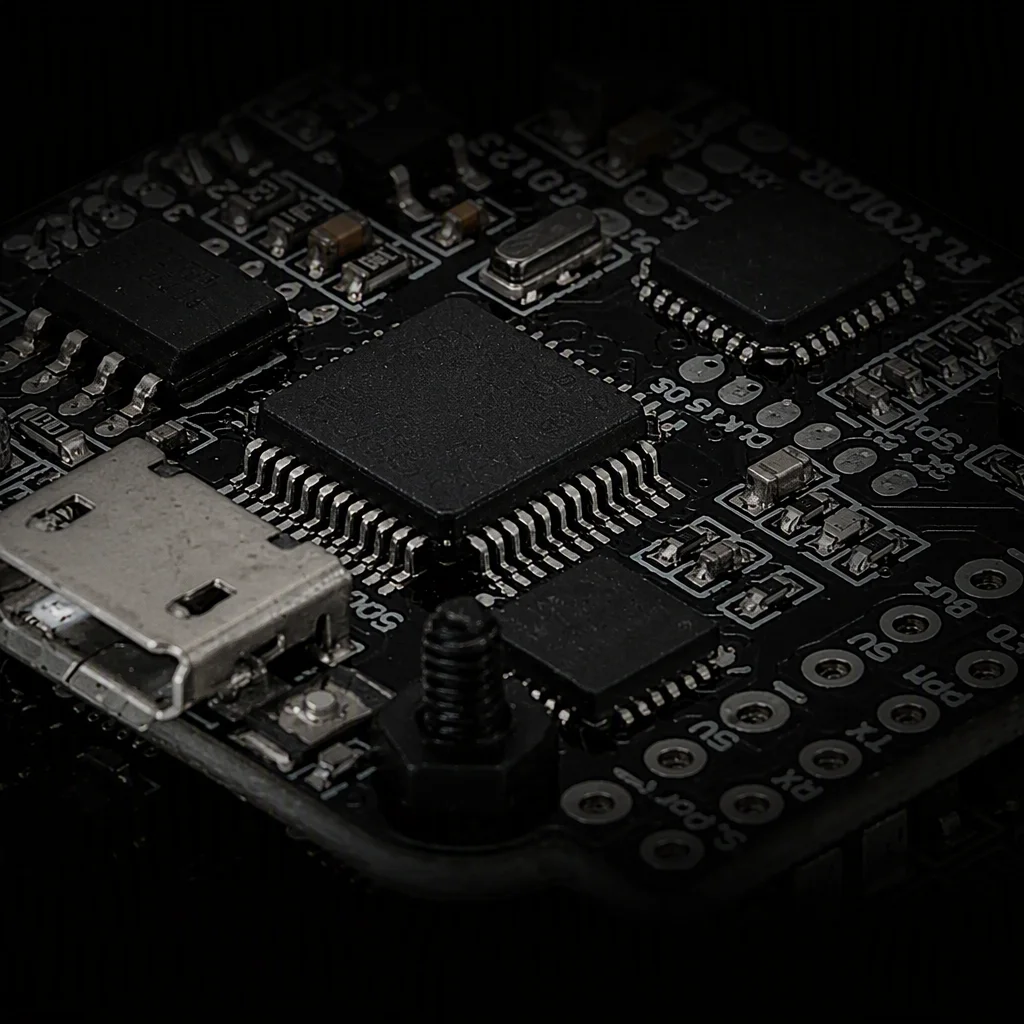
Conceptual UAV component quality inspection and testing environment Concept illustration
Operations / Quality

Quality & Verification

A structured quality framework covering incoming inspection, bench-level verification, firmware checks and system-level integration testing for UAV components and complete aircraft.

Gate 01Incoming QC
Gate 02Bench Test
Gate 03System Check
Gate 04Flight Readiness
Quality Framework

From incoming inspection through flight-readiness review.

Each quality gate confirms a specific layer of the build before the next gate is opened.

Close-up of digital multimeter probes testing UAV power board test points with oscilloscope in background Concept illustration
01

Incoming QC

Visual inspection, electrical parameter checks, connector verification and documentation review against purchase specifications.

02

Bench test

Powered functional testing on the bench: signal measurement, communication protocol checks, firmware boot and peripheral response verification.

03

System check

Integrated subsystem testing: control-power-propulsion chain validation, sensor data flow confirmation and interface compatibility verification.

04

Flight readiness

Pre-shipment review: parameter audit, configuration documentation, final electrical and mechanical inspection, and packaging verification.

Testing Equipment

The instruments that support component-level and system-level verification.

Our bench equipment is organized around the specific verification needs of UAV electronics and propulsion systems.

Electronics test rack with oscilloscope, power supply and custom UAV test harness Concept illustration
EQUIP / 01

Oscilloscopes

Digital storage oscilloscopes for capturing and analyzing signal waveforms, timing relationships and communication protocol characteristics on flight controllers, ESCs and sensor interfaces.

EQUIP / 02

Programmable power supplies

Multi-channel precision power supplies for simulating battery voltage conditions, testing voltage range tolerance and verifying power-distribution behavior under controlled load scenarios.

EQUIP / 03

Signal generators

Arbitrary waveform and function generators for injecting test signals into sensor inputs, communication ports and control loops during bench-level validation cycles.

EQUIP / 04

Thrust measurement stands

Instrumented thrust stands for measuring motor-propeller combination performance, verifying thrust curves, and confirming propulsion-system behavior against design parameters.

EQUIP / 05

RF spectrum analyzers

Spectrum analysis for verifying radio transmitter output, checking antenna performance, identifying interference and confirming communication link quality across frequency bands.

EQUIP / 06

Digital multimeters & LCR

Precision multimeters and LCR meters for incoming component checks: resistance, capacitance, inductance, voltage and current measurements across the component inventory.

Certification & Standards

Quality references that shape our inspection and testing approach.

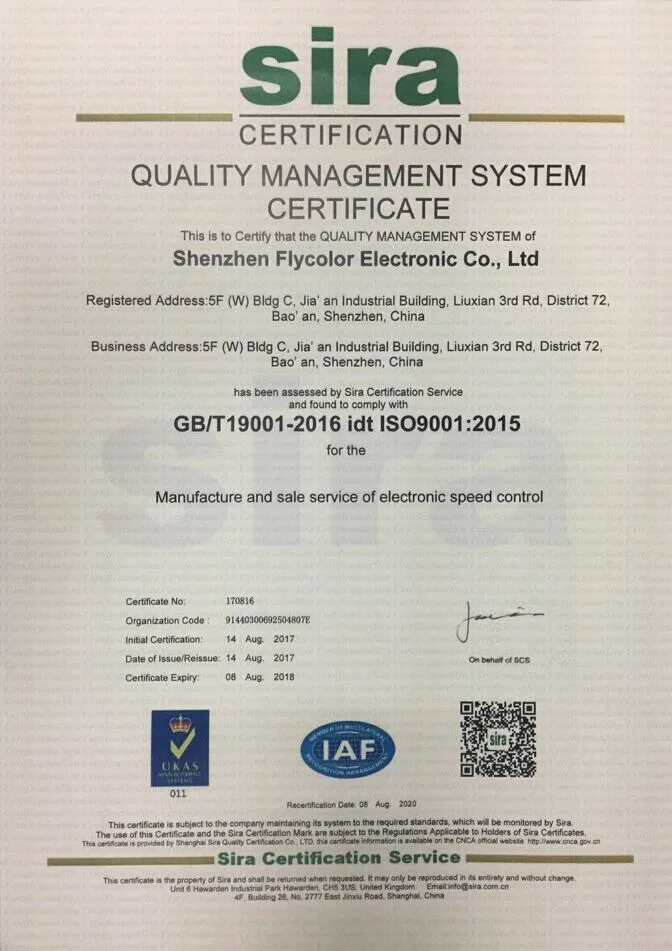
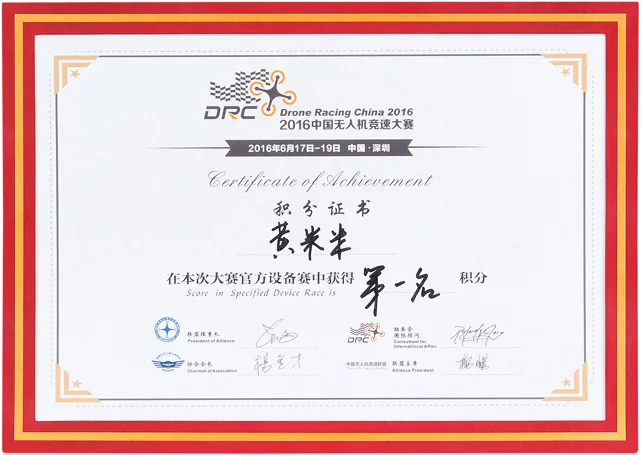
While EMS Drone is not an accredited laboratory, our quality framework is built around recognized industry standards and certification references.

REF / ISO

ISO 9001 framework

Our quality management processes are structured around ISO 9001 principles: documented procedures, process control, corrective action tracking and continuous improvement cycles applied to component handling and verification workflows.

REF / IPC

IPC workmanship standards

Inspection criteria for solder joint quality, connector termination and PCB assembly are referenced from IPC-A-610 and IPC/WHMA-A-620 standards, applied during incoming inspection and integration quality checks.

REF / CE & FCC

CE / FCC compliance context

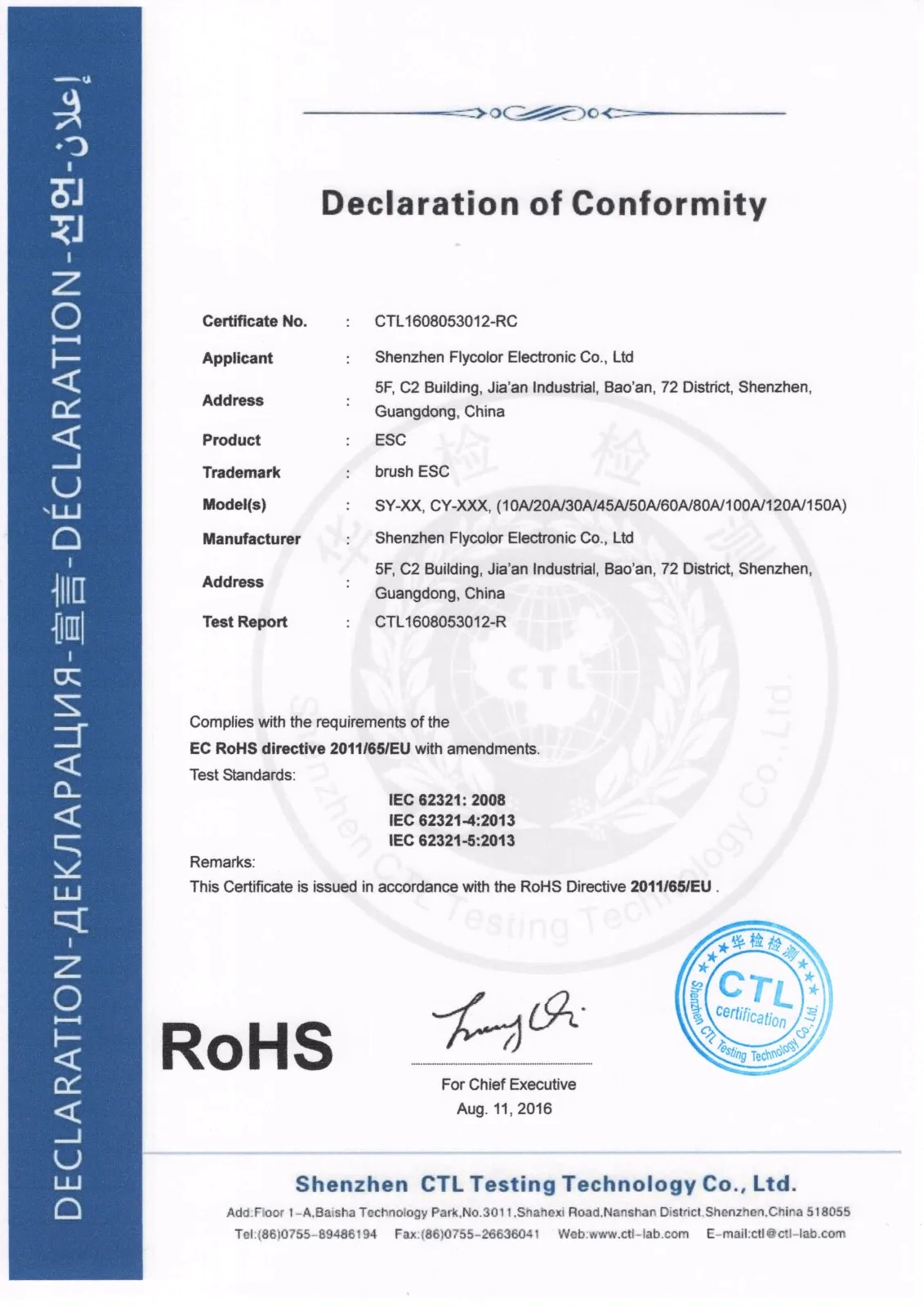
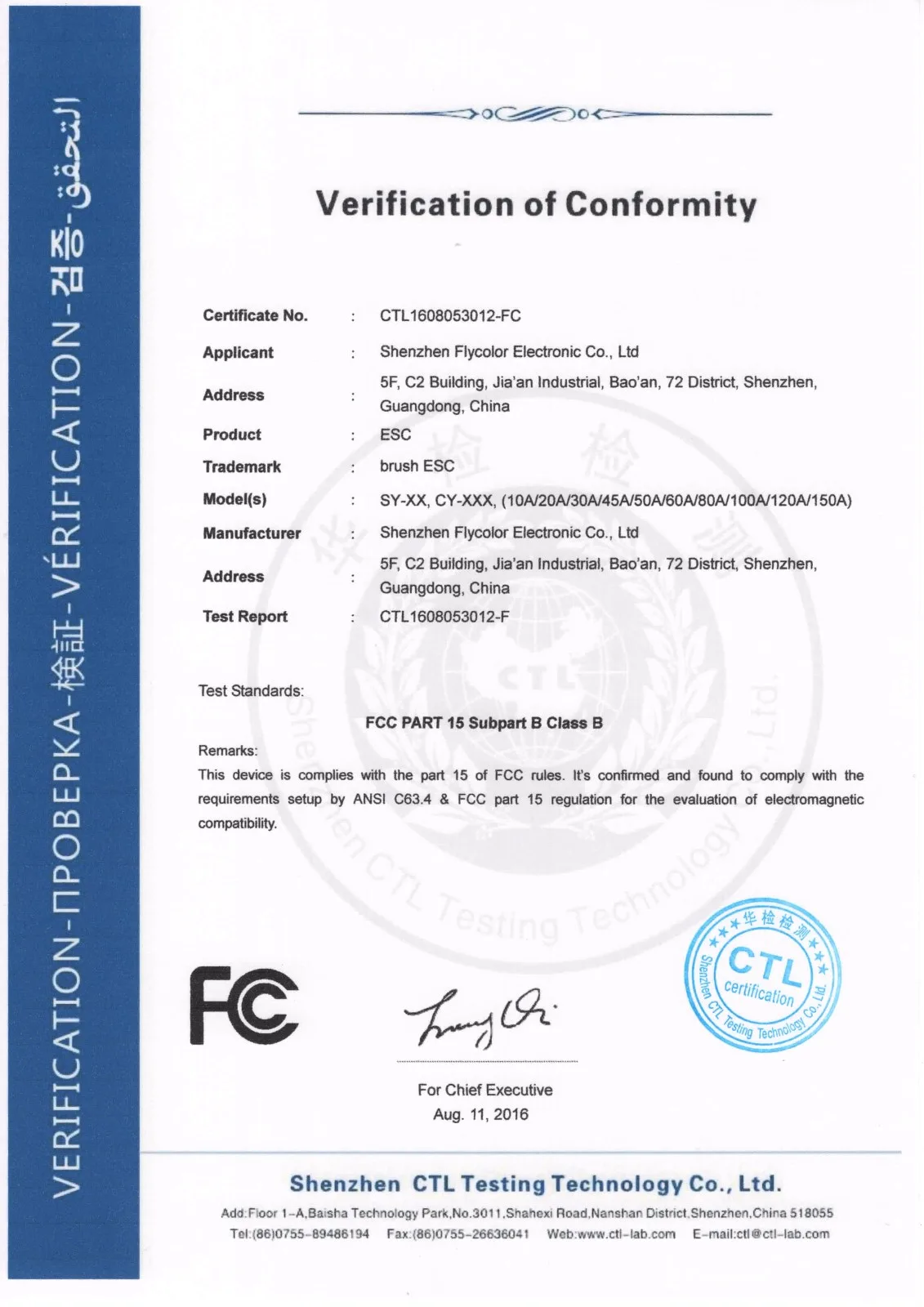
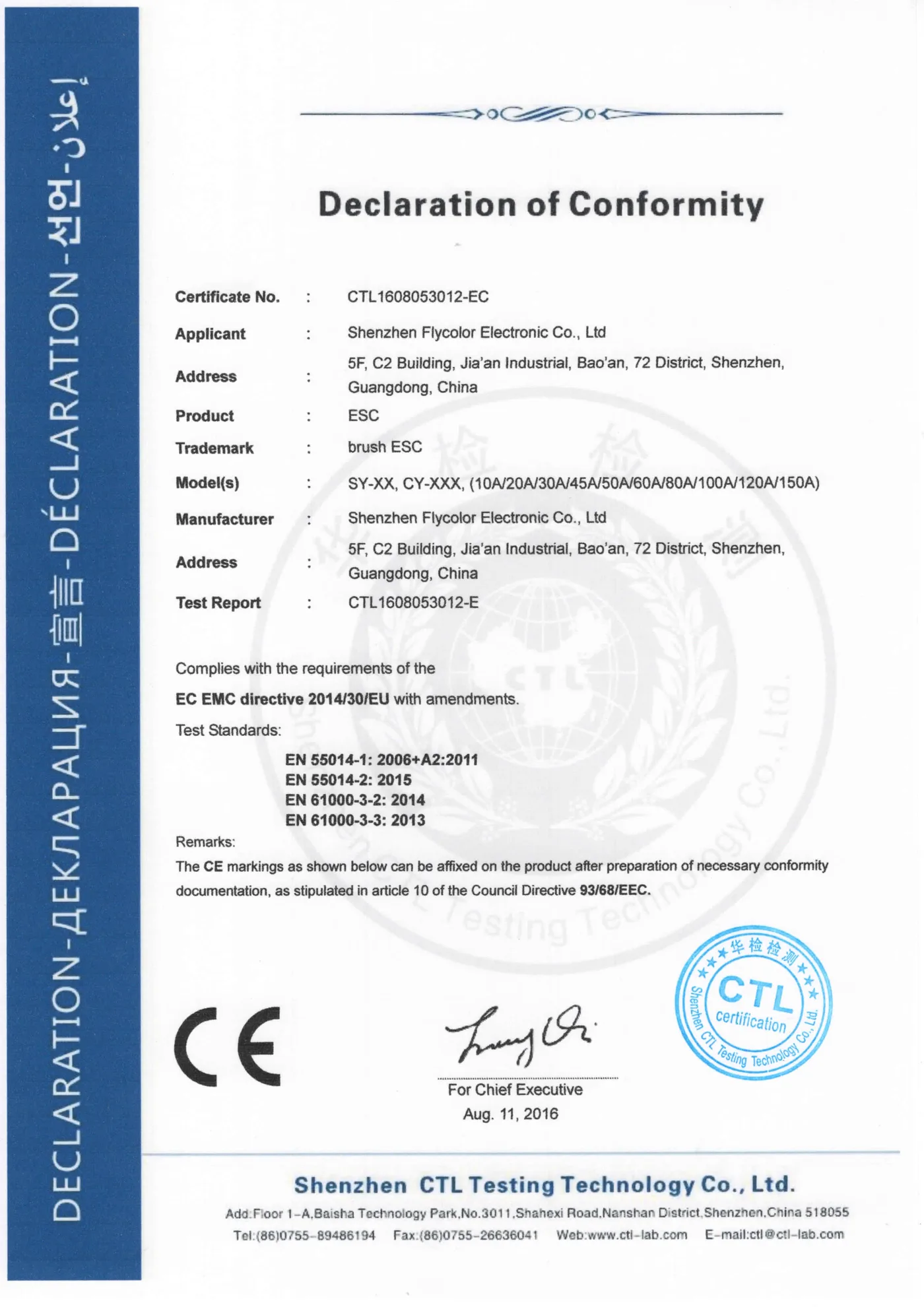
For components and complete aircraft destined for European or North American markets, we reference CE and FCC requirements during component selection and system verification, helping customers navigate the regulatory landscape.

REF / RoHS & REACH

RoHS & REACH awareness

Material compliance is reviewed against RoHS and REACH requirements where applicable. Component documentation includes material declarations and compliance status from suppliers.

Traceability

Every component, every test, every batch — recorded and traceable.

Traceability connects supplier documentation to inspection records, creating an auditable chain from receipt through final verification.

  • Unique component serial tracking linked to supplier batch documentation
  • Incoming inspection records with visual and electrical check results
  • Bench test data logs including signal measurements and parameter values
  • Firmware version tracking per component and per integrated subsystem
  • Integration assembly records linking individual components to subsystems
  • Pre-shipment quality sign-off with dated inspector verification
  • Batch-level test reports available for customer review upon request
  • Non-conformance documentation with corrective action tracking
Quality-Driven Build

Verification is built into the path — not an afterthought.

Share your quality requirements, certification needs and verification expectations. We will align the inspection and testing plan with your project scope.