Warranty terms are risk-allocation contracts, and the risk being allocated is the probability that a component fails before its useful life is up. The components in a UAV fail at real, measurable rates: flight controllers and ESCs fail from thermal cycling and voltage transients, motors fail from bearing wear, gimbals fail from vibration on the delicate sensor axis, and batteries fail on a calendar. The UAV spares and lifecycle planning guide covers the reliability math that sizes a spare kit; this guide covers the contract that decides who pays when one of those failures happens inside the warranty window. And how to make sure the warranty is worth what the supplier charges for it. It pairs with the supplier evaluation checklist, which covers the vendor capabilities that make warranty terms executable rather than decorative.
Why the warranty paragraph deserves the same scrutiny as the spec sheet
There are three reasons the warranty is where procurement mistakes hide. First, warranty terms define the effective cost of a component over its life: a flight controller with a 12-month warranty and a 3-week repair turnaround has a different total cost than one with a 24-month warranty and advanced replacement, even at the same purchase price. Second, the terms are asymmetric . The buyer reads the spec sheet in detail and the warranty in passing, while the supplier has reviewed both carefully. Third, the failure window does not respect the warranty window: the components most likely to fail (batteries, propellers, moving parts) are exactly the ones with the shortest warranty, and the components with the longest warranty (boards, modules) fail less often but have the longest repair lead times.
The practical consequence is a mismatch the buyer discovers at the worst moment. A 12-month warranty on a component with a 6-month manufacturing lead time means the replacement unit arrives after the warranty has expired; a warranty that starts at the supplier's ship date rather than your delivery date can be partially consumed before the aircraft ever flies. The certification and compliance guide makes the related point for the regulatory side: the documentation that proves a component meets its spec is also the documentation that makes a warranty claim defensible, which is why the warranty conversation starts at the RFQ, not at the failure.
What the warranty covers, and the three exclusions that change everything
A well-written component warranty covers manufacturing defects, premature failure under documented operating conditions, and workmanship failures. The solder joints, assembly and test escapes that are the supplier's responsibility. The coverage language matters less than the exclusions, and three exclusions dominate every UAV warranty:
- Crash damage. Virtually every UAV component warranty excludes damage from impact, and for good reason, a crash is not a manufacturing defect. The consequence for planning: a warranty is not a substitute for spare parts, and the spares planning guide is the correct companion to this one. The subtle case is the order of events: a component fails in flight and the aircraft crashes as a result. Whether that is a covered failure or excluded crash damage depends on whether the supplier's diagnosis finds the defect that caused the failure. Which is exactly why the claim should be documented with flight logs and the failed component preserved untouched.
- User modification and repair. Soldering, enclosure modification, non-vendor firmware flashing and field repair by unauthorized technicians void coverage on most electronics. This exclusion is the most common cause of rejected claims in practice, and it interacts directly with the firmware question covered later in this guide. The firmware OTA update strategies guide is the reference for the legitimate side of that interaction.
- Environmental exposure. Water ingress (even on IP-rated components), sand and dust, and operation outside the rated temperature band are typically excluded. The practical trap is the mismatch between a marketing claim and the warranty scope: a component sold as "waterproof" may still exclude water damage from the warranty, so the actual coverage must be verified against the waterproofing and IP ratings guide before the purchase, not after the wet landing.
Two further exclusions complete the picture: normal wear (bearings, propellers, battery cycle life. A battery that reaches its rated cycle count is not a warranty failure) and consumables (filters, adhesives, fasteners). The rule for reading any warranty schedule: find the coverage paragraph, then find the exclusions, and if the exclusions paragraph is longer, the warranty is a repair service agreement with a marketing label.
The RMA process: turnaround, logistics and who pays for freight
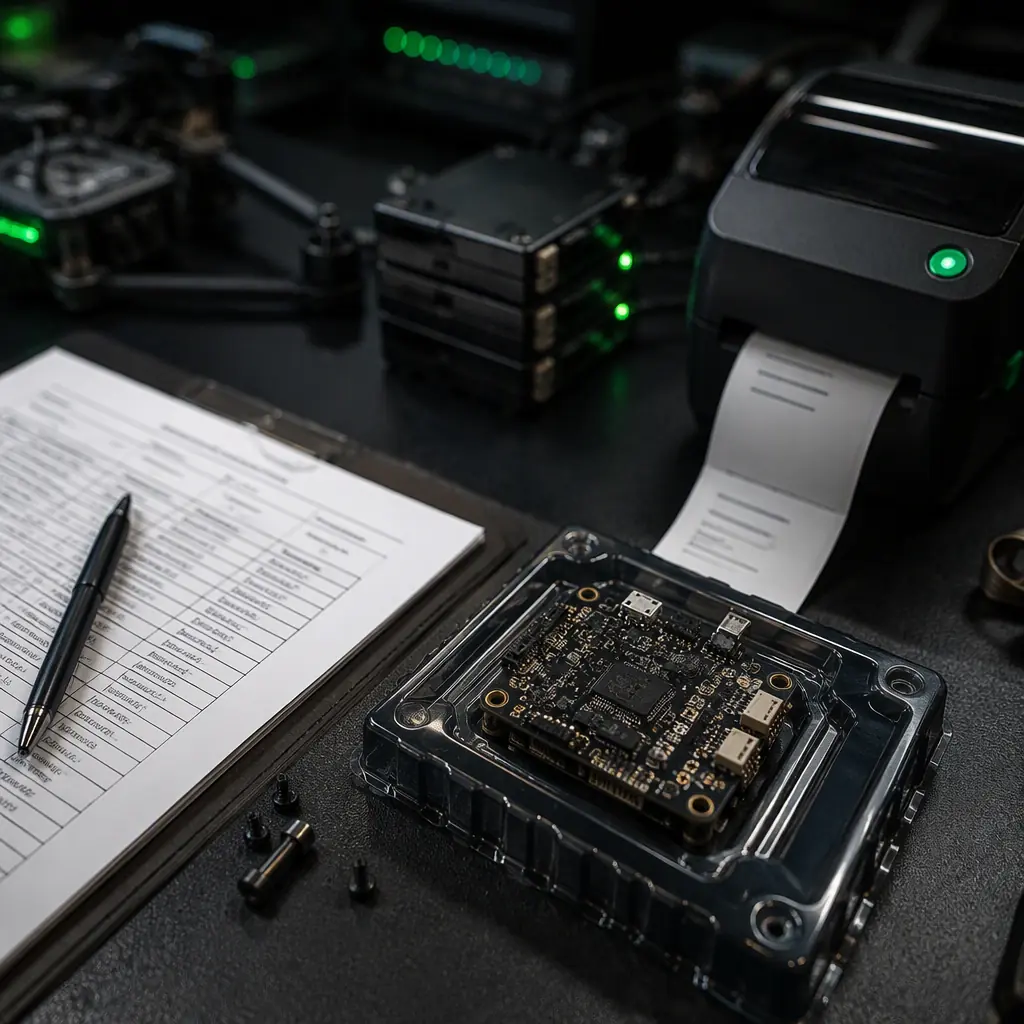
The RMA (return material authorization) process is where warranty promises become operational reality, and it has five stages: request (the buyer submits the failure documentation), authorization (the supplier issues an RMA number and return instructions), shipping (the failed unit travels to the repair location), diagnosis and repair, and return. The number that matters is the door-to-door turnaround . The total time from the buyer submitting the claim to the working unit being back in the buyer's hands. Not the repair time, which is only one stage of five.
A realistic international door-to-door number for a board-level repair is 2–6 weeks: 1–2 days for authorization, 5–10 days outbound freight, 3–7 days for diagnosis and repair, 5–10 days return freight, plus customs. For a fleet operator this number directly sets the spares requirement, the spares planning guide converts exactly this lead time into inventory quantity. The questions to ask before buying:
- Who pays freight in each direction? The common split is buyer pays outbound, supplier pays return. But for a low-cost component, international freight can exceed the component's value, so the economics matter. Ask for the freight policy in writing, including customs and duties.
- Is advanced replacement available? Cross-shipment, the supplier ships a replacement on receipt of the RMA number, and the buyer returns the defective unit within 14–30 days, is the single most valuable RMA feature for a fleet operator, because it converts a 3-week turnaround into a 3-day one. It is usually reserved for verified accounts and requires a credit hold or a purchase order for the replacement value.
- What is the dead-on-arrival (DOA) window? Most suppliers replace DOA units with minimal friction. The component is defective on arrival, before the aircraft has flown. The window is typically 7–30 days from delivery, and it should be confirmed in writing because DOA and warranty claims often have different processes and different freight terms.
The export logistics and ITAR/EAR shipping guide covers the regulatory side that affects RMA freight: components with controlled export classifications may require the same export paperwork on the return leg, and lithium batteries are heavily regulated in both directions. An RMA for a battery pack is a logistics project, not a parcel shipment.
 Concept illustration
Repair vs replace: thresholds and service levels
Once the failed unit is at the repair location, the supplier's decision between repairing and replacing it is governed by a cost threshold that should be visible to the buyer. The standard is a repair-vs-replace threshold . Typically 50–70% of the new-unit price: if the repair cost estimate exceeds the threshold, the supplier replaces the unit instead. The threshold matters for two reasons: it defines what a warranty claim actually delivers (a repaired unit or a new unit), and it defines the economics of out-of-warranty repairs later in the component's life.
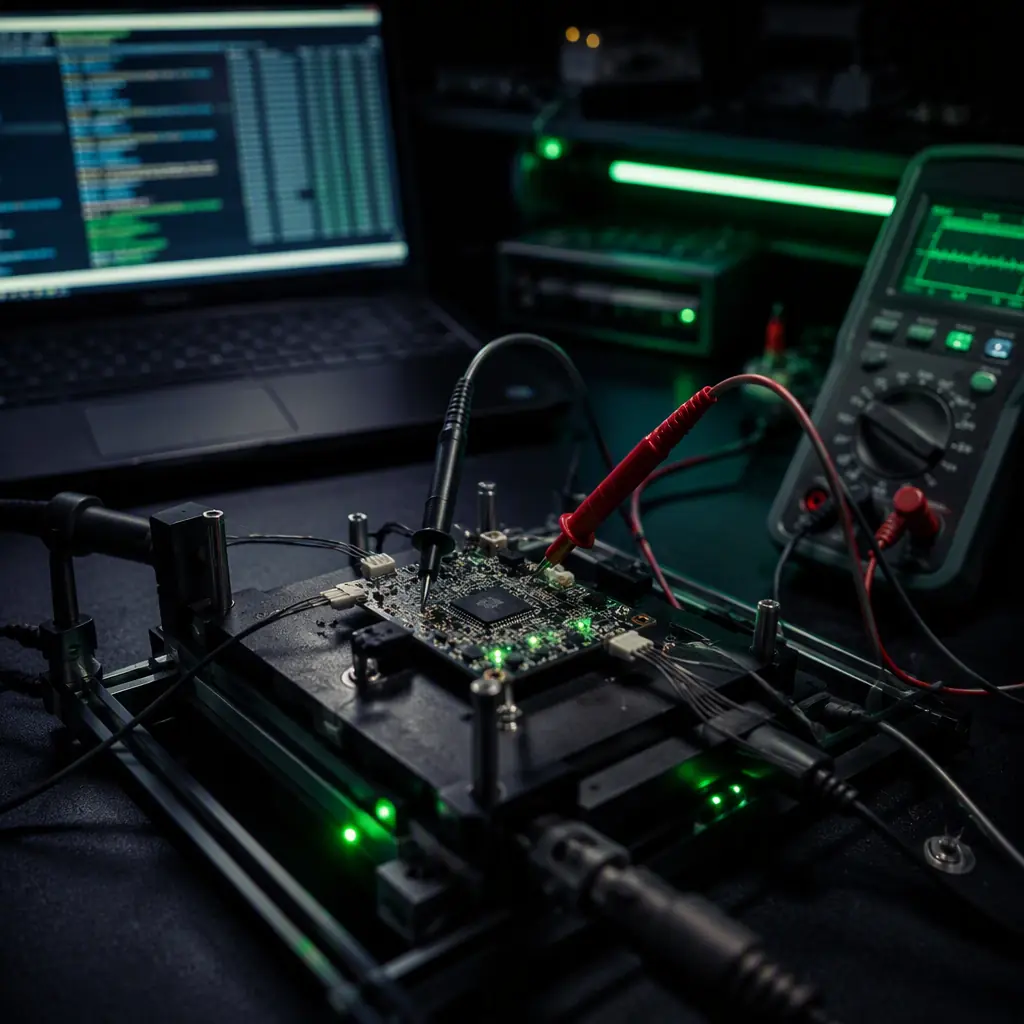
Three further terms deserve scrutiny. Repair scope: board-level repair (component replacement on the board) versus module-level repair (a subassembly swap) versus factory-only repair, the scope determines both the turnaround and the reliability of the repaired unit, and the electronics manufacturing quality guide is the reference for why rework quality varies so much between facilities. Calibration after repair: a gimbal, an RTK receiver or an IMU is not repaired, it is recalibrated, and the repair process must include the calibration and the calibration certificate, or the "repaired" unit fails acceptance testing and the RMA loop repeats. Replacement condition: "replacement may be new or refurbished" is standard language, and the buyer should know which; for firmware-locked components (see below), a refurbished unit must arrive with the correct firmware version and configuration.
The service-level commitment should be stated in business days, not "as soon as possible": diagnosis within 2 business days, repair or replacement decision within 5, door-to-door target in the warranty schedule. A warranty without a stated turnaround is a promise with no delivery date, and the fleet management guide explains how the maintenance log turns that commitment into an auditable metric once the fleet is operating.
 Concept illustration
Warranty and firmware: version lock, updates and coverage
Firmware is where warranty language meets field reality, because modern UAV components are software-defined: ESCs run firmware with protocol-specific behavior, flight controllers run autopilot stacks, and the ESC firmware selection guide explains why firmware revision is a compatibility constraint rather than a preference. Three interactions matter:
- User flashing versus coverage. Many warranties exclude damage from non-vendor firmware, and some exclude any firmware modification. Field updates are normal operations, so the policy should be in writing: which update paths are allowed without voiding coverage, and whether a bricked unit from a failed vendor-authorized update is covered.
- Version lock on replacements. A replacement unit shipped under warranty must arrive with the fleet's firmware version and configuration, or the replacement introduces a compatibility problem, the same issue the obsolescence management guide describes for lifetime buys. The warranty schedule should state that replacements ship with the firmware version matrix of the original delivery, not whatever version is current at repair time.
- Warranty clock and firmware support horizon. The warranty runs on a calendar, but firmware support runs on a product lifecycle; a component still under warranty whose firmware is no longer supported is a planning problem the warranty schedule will not mention. The OTA update strategies guide covers the update infrastructure; the warranty RFQ should ask for the firmware support commitment in months alongside the warranty duration.
Reading the warranty schedule: what the fine print means in practice
Beyond the headline terms, the fine print of a warranty schedule contains the clauses that decide real claims. The ones that matter most in practice:
- Warranty start date. Ship date, delivery date and commissioning date produce very different effective coverage. For batteries, which age on a calendar even on the shelf, a warranty starting at ship date can be substantially consumed before the pack is first flown. Ask for the start date definition and, for shelf-aged stock, the manufacture date.
- Prorated terms. Battery warranties commonly run "6 months full replacement, then prorated". The proration formula (linear over the rated cycle life, or over time) determines what a 10-month-old failed pack is worth. The battery and power management guide covers the cycle-life data the proration should reference.
- Consequential damage. Every warranty excludes indirect and consequential damages. The standard language means a defective ESC that destroys the aircraft is not automatically covered for the aircraft. Some suppliers offer limited consequential coverage or product-liability terms; for a fleet, the question is worth asking even if the answer is no, because the answer defines the risk the operator carries.
- Transferability. If the aircraft or the fleet is sold, the warranty may or may not transfer to the new owner. A fleet with a resale plan should confirm transferability in writing.
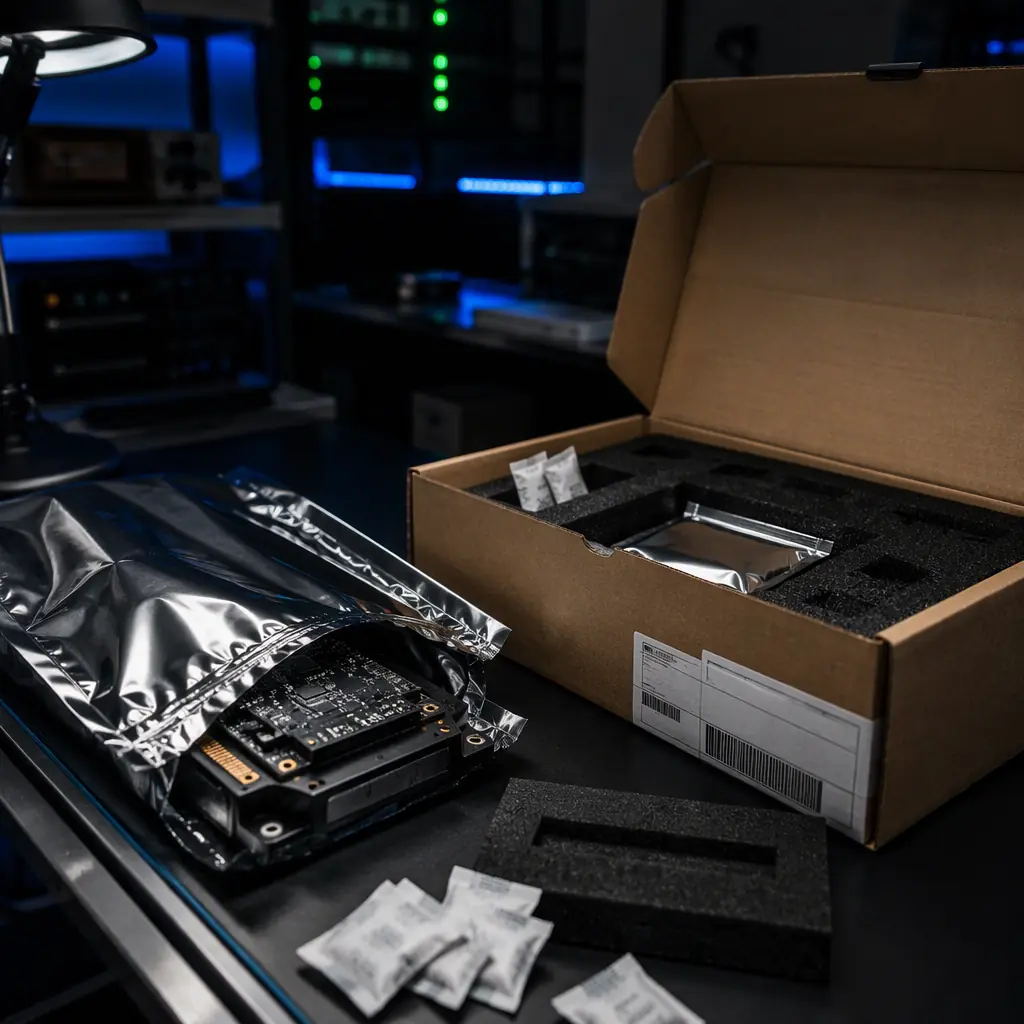
- Freight damage. Damage in transit is a carrier claim, not a warranty claim. But the buyer should know which party files it, and whether the supplier photographs and documents units before shipment (which is also the export logistics practice that makes the claim defensible).
The supplier evaluation checklist is the natural companion here: the supplier's warranty performance, claims rate, turnaround adherence, dispute behavior, is a vendor-capability metric that belongs in the evaluation score alongside test programs and delivery reliability.
 Concept illustration
The warranty RFQ checklist: 10 questions to put in writing
The following ten questions convert this guide into RFQ-ready requirements. Each one names the evidence the supplier should provide, because a warranty term that is not written is a warranty term that does not exist.
1. Duration and start date. The warranty period per product line and the event that starts the clock (ship, delivery or commissioning). Verification: the warranty schedule.
2. Coverage scope. The covered failure modes, manufacturing defects, premature failure under documented operating conditions, workmanship. Verification: the coverage clause.
3. Exclusions in writing. Crash damage, modification, environmental exposure, wear and consumables, with the boundary of each exclusion stated. Verification: the exclusions clause.
4. DOA window and terms. The dead-on-arrival window and the DOA replacement process, including freight. Verification: the DOA clause.
5. Advanced replacement. Whether cross-shipment is available, the conditions (account status, credit hold) and the return window. Verification: the advanced-replacement terms.
6. Freight responsibility. Which party pays freight and customs in each direction, for warranty claims and DOA separately. Verification: the freight policy.
7. Repair turnaround commitment. The door-to-door turnaround target and the diagnosis/decision SLAs in business days. Verification: the service-level commitment in the agreement.
8. Repair-vs-replace threshold and condition. The cost threshold as a percentage of new price, and whether replacements are new or may be refurbished. Verification: the repair terms.
9. Calibration and configuration after repair. The calibration process for gimbals, RTK receivers and IMUs, the calibration certificate, and the firmware version lock on replacements. Verification: the repair process description.
10. Consequential damage and transferability. The supplier's stance on consequential damage, and whether warranty transfers on resale. Verification: the liability and transfer clauses.
The warranty schedule closes the loop with the rest of the procurement documentation: the supplier evaluation checklist for vendor selection, the spares and lifecycle plan for the inventory that covers the failure window, and the manufacturing quality guide for the workmanship that determines whether the warranty is ever needed.
Explore custom engineering Back to Blog
EMS Drone manufactures component support and service under one roof, from component sourcing through production test. If you are specifying for a build, see the full capability set and the tolerances we hold.
Continue Reading

How to Evaluate a UAV Component Supplier
The vendor capabilities, test programs, traceability, claims behavior, that make warranty terms executable rather than decorative.
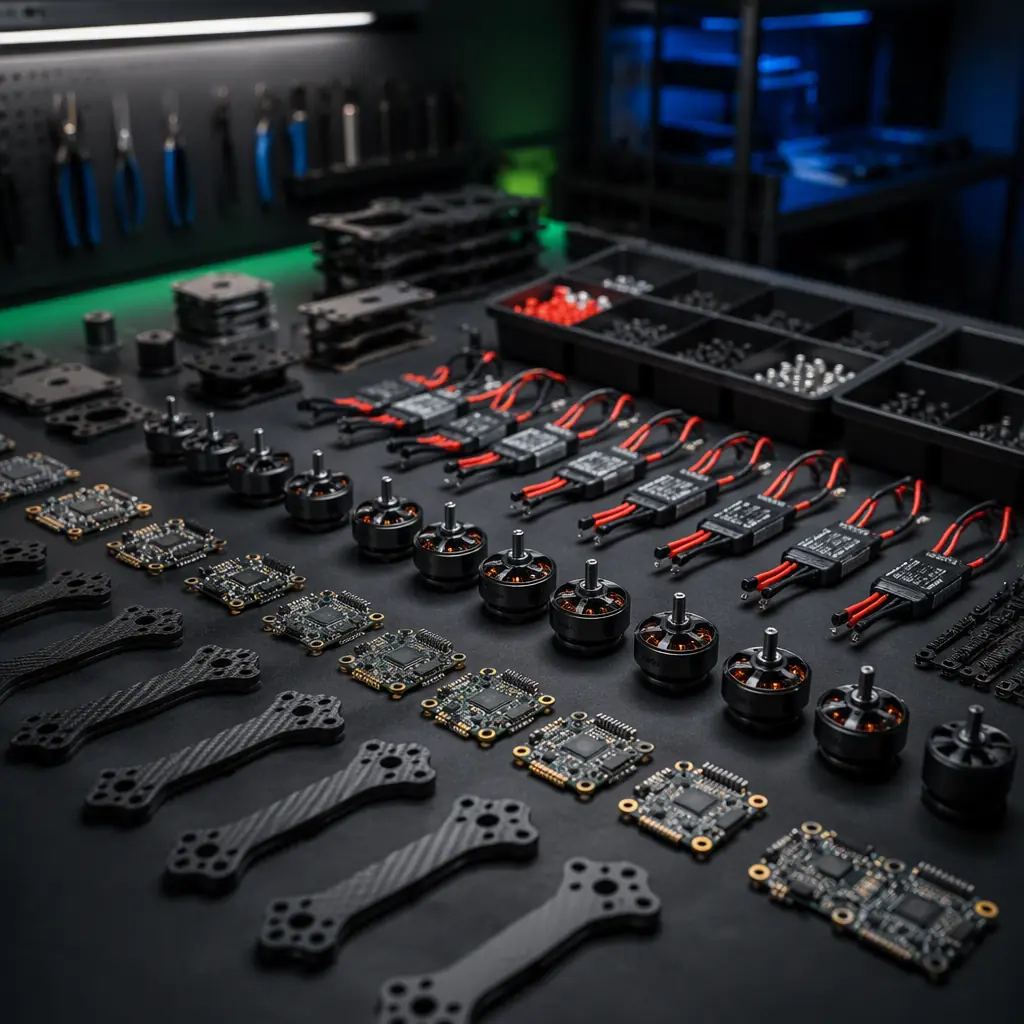
UAV Spares and Lifecycle Planning
The reliability math and repair-lead-time planning that run alongside the warranty contract, the inventory that covers the failure window.

UAV Electronics Manufacturing Quality
IPC-A-610 and J-STD-001 workmanship variables, the quality program that determines whether a warranty claim ever happens.
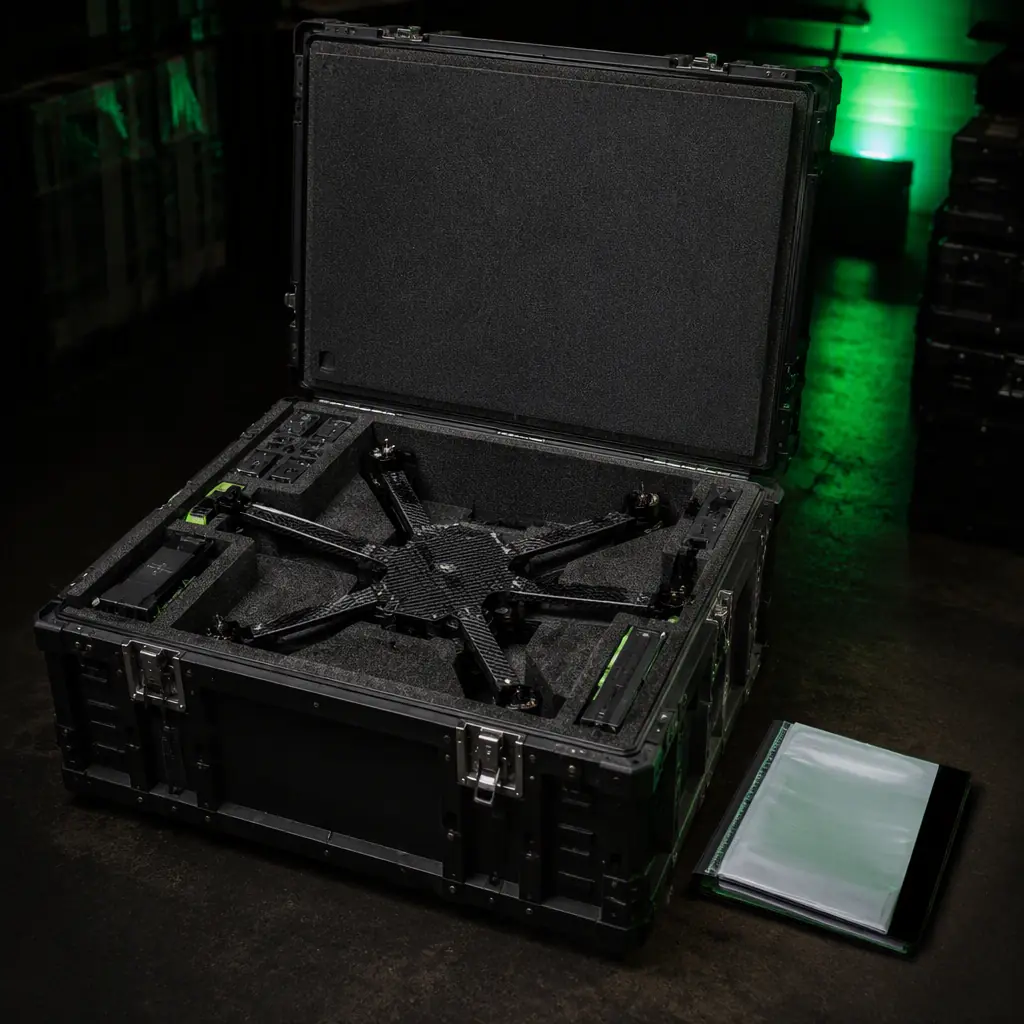
UAV Export Logistics and ITAR/EAR Shipping
Freight, customs and controlled-classification paperwork, the regulatory side of every international RMA return.

UAV Component Obsolescence Management
End-of-life risk and lifetime buys, the product-lifecycle planning that warranty and firmware support horizons depend on.